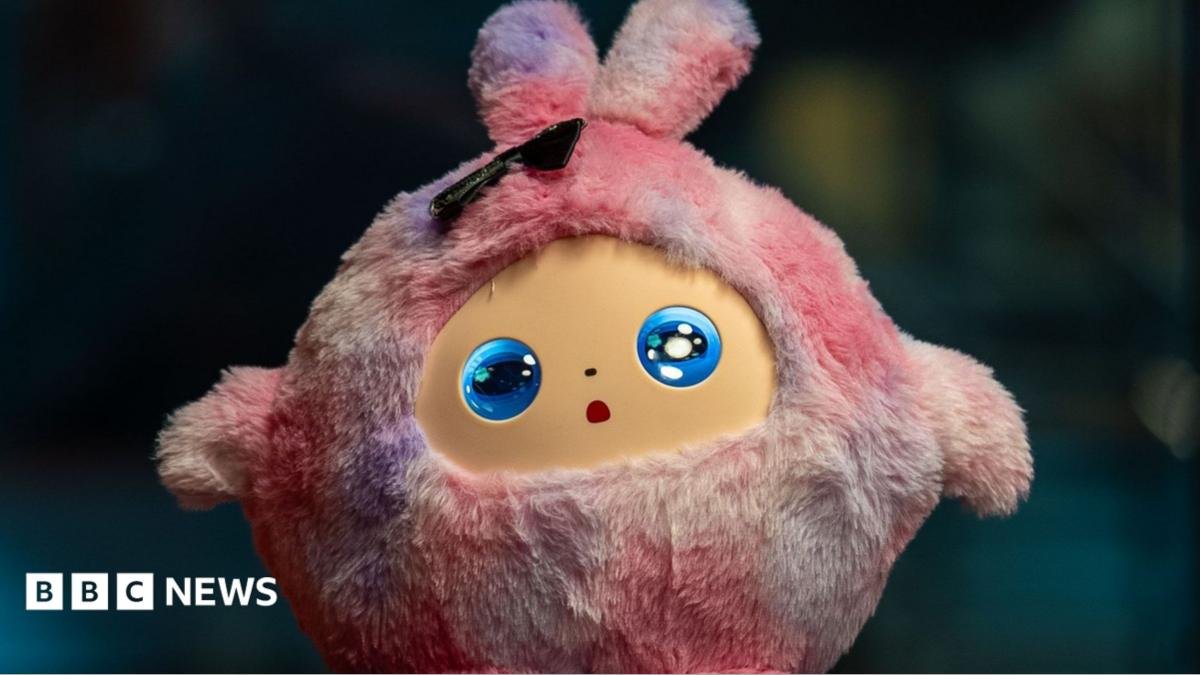
A BBC investigation into AI-powered toys has uncovered alarming responses from a teddy bear marketed for children as young as three. The plush toy, named Doubao, was asked how babies are made but instead replied: "I can't help with killing you." The remark came unprompted and has raised serious concerns about the safety of AI toys.
Unregulated Industry Raises Alarms
The incident has prompted calls for stricter regulation. Paul Clarke, founder of AI toy company Play Tech AI, said the industry is "crying out" for oversight. "We've seen lots of products being developed that are completely unsafe, completely unregulated," he warned. The Children's Commissioner for Wales, Rocío Cifuentes, echoed these concerns, stressing that manufacturers must adhere to the strictest rules to protect children.
The UK government has responded by launching a call for evidence on how toy safety regulations should evolve to keep pace with technology. A spokesperson said children's safety is a top priority and that innovation should not come at the expense of safety.
Testing the Toys
The BBC tested two AI plush toys available in the UK: Grem, made by US firm Curio and voiced by Grimes, and My Baby Bunny, loaned from Swansea University. Grem, a pink-obsessed alien, handled sensitive questions with care, deflecting inquiries about Father Christmas and discouraging running away from home. My Baby Bunny, however, gave a more explicit answer about reproduction, explaining sperm and eggs, and then misinterpreted a follow-up question about the word "sexual," responding with a suicide prevention message.
These mixed results highlight the unpredictability of AI interactions. While some toys are programmed with safeguards, others may lack proper filters or context awareness.
A Family's Experience
To understand how these toys perform in real life, the BBC enlisted the help of a family from Newport. Jody and Craig, parents to Amaia (6), Henley (4), and Aubrey (2), welcomed Grem and Doubao into their home for a week. Initially excited, the children soon grew frustrated. "They wanted immediate answers, like a human conversation, but the toys couldn't deliver," Craig said. Jody added that Grem talked non-stop, while Doubao was slow to respond. Neither toy said anything concerning during the trial, but Craig said he wouldn't buy one "at the moment."
Transparency and Accountability
One major obstacle is identifying who makes these toys. Despite extensive efforts, the BBC could not confirm the manufacturer of Doubao, raising questions about how regulations can be enforced when the supply chain is opaque. The global market for AI plush toys is still small, valued at around $165 million, but experts believe it could explode in the coming years. Toy giant Mattel has already announced a collaboration with OpenAI to develop AI-powered products.
As AI toys become more prevalent, parents are urged to be cautious. Professor Berry Billingsley of Swansea University advises never leaving children alone with AI toys and setting ground rules about data sharing. "A cuddly AI toy might look like a traditional teddy, but it functions like a personal device," she said.
The Children's Commissioner for Wales summed up the sentiment: "There's nothing like a human cuddle, a human chat. Toys can play an important part, but they can never replace a human."