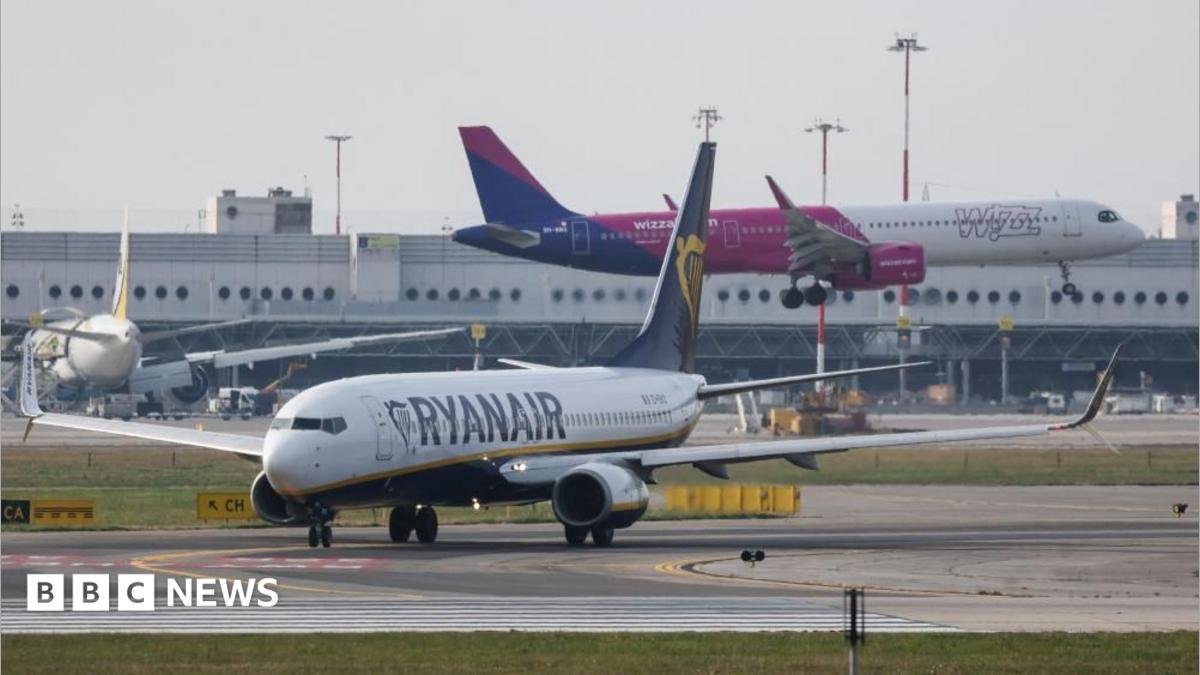
In recent days, a wave of bomb threats has targeted airlines and airports across Europe, forcing authorities to divert flights and scramble fighter jets. The threats, which have so far proved to be hoaxes, have raised suspicions of a coordinated campaign. With tensions high, many are asking: who is behind these threats and what do they hope to achieve?
A Pattern of Disruption
The warnings came in quick succession, each targeting a different airline or airport. In nearly all cases, the threats were deemed credible enough to warrant drastic action. In Italy, fighter jets were scrambled to escort a plane, while other flights were diverted. The simultaneous and coordinated nature of these hoaxes has led some to point the finger at Russia, given the current geopolitical climate.
This is not the first time Europe has faced such disruptions. Earlier this year, a series of cyber-attacks and mysterious drone sightings over sensitive sites raised alarm. More recently, remote hacking incidents targeting supermarket freezers and a blood bank, a suspicious incident on Poland's border with Russia, and a drone attack on Germany's Leipzig Halle airport have added to the sense of unease. Germany's interior minister publicly blamed Moscow for the drone attack, further fueling suspicions.
The Russian Connection?
Many analysts argue that these actions fit the pattern of "hybrid" or "grey zone" warfare, which involves actions that damage a nation's infrastructure or society while remaining below the threshold of conventional armed conflict. Such tactics are often anonymous and deniable, designed to sow chaos without triggering a decisive response from NATO.
Moscow is known to be furious with NATO for supporting Ukraine, which has frustrated the Kremlin's plans to dominate its neighbor. Russian bloggers have suggested that if Ukraine's drones are making Russian airports unsafe and Western sanctions are blocking Russian airlines from European airspace, then Western nations should feel similar pain. This rhetoric, while not evidence, adds to the suspicion.
Email Threat Claims Responsibility
On Thursday morning, an email threat was sent to airport authorities in Rome, claiming to be from "Fighters of the Male State." The name likely refers to the Russian ultra-right group Muzhskoi Legion, or "Male Legion," which was banned by a Moscow court in 2021 for its extreme views. Despite the ban, the group has maintained a significant online following and has openly supported Russia's invasion of Ukraine.
However, even if the email is genuine, it may not provide the concrete leads needed to identify the perpetrators. It is possible that another group is hiding behind the name to divert attention. For now, authorities are left to follow the cold, hard leads, if they can find them.
The Challenge for Authorities
National police forces, airport authorities, and transport ministries are tasked with uncovering who is behind these hoaxes and how to mitigate their impact when they occur again. The challenge is to not jump to conclusions based on circumstantial evidence but to follow the evidence wherever it leads. As of now, no hard evidence has emerged linking the airline hoaxes to Russia, Iran, or any proxy groups.
The hoaxes have caused significant disruption and fear, but they have also highlighted the vulnerability of Europe's transport networks. As authorities scramble to respond, the question remains: will the next threat be real? Only time will tell, but for now, the focus is on finding those responsible and preventing further chaos.