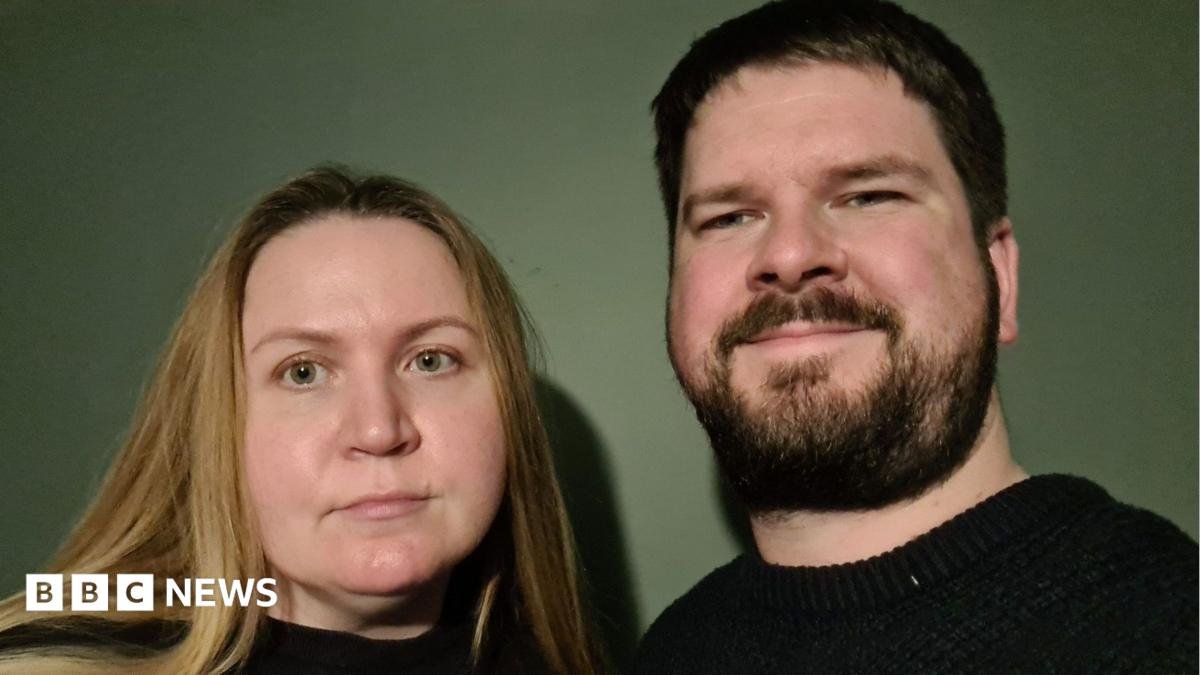
Kateryna Stepanovych, 38, fled Ukraine in 2023 after Russia's full-scale invasion, leaving behind her small flat in Kyiv. She has since rebuilt her life in Scotland with her partner, Mattias Lindgren. But their plans to buy a home together in North Ayrshire have been thrown into turmoil by an unexpected tax bill of £9,000.
The couple were informed that the Additional Dwelling Supplement (ADS) would apply to their purchase because Kateryna still owns a property overseas. The ADS is an 8% charge on the purchase price of an additional home, introduced by the Scottish government to deter second-home buyers and buy-to-let investors.
A home in a war zone
Kateryna bought her flat in 2018, long before the conflict escalated. The 10-storey building in Kyiv has since been damaged by shrapnel from a nearby attack, though her own flat remains intact. "The fact that the property is still there is a miracle," Mattias said.
Despite the obvious risks, Revenue Scotland's rules offer no exemptions for properties located in active war zones. The couple only discovered the charge after they had made an offer on a house and Mattias reviewed the paperwork from their solicitor. Unable to afford the extra £9,000, they had to withdraw their offer.
"Why should we be punished with this tax for a property that's in a war zone?" Mattias asked.
Seeking help
The couple, who currently live in Stromness in Orkney, contacted Orkney MSP Liam McArthur for assistance. McArthur reached out to Deputy First Minister Jenny Gilruth, who replied that there are "no provisions within the legislation that allow either the Scottish government or Revenue Scotland to disapply ADS on a discretionary or case-by-case basis."
On Tuesday, McArthur raised the case in the Scottish Parliament, asking First Minister John Swinney whether he agreed that this was not the intended purpose of the tax. Swinney said he would ask Revenue Scotland to investigate and expressed sympathy for the couple's situation.
Kateryna, who works in a factory, finds the ordeal particularly challenging due to the language barrier. "For me, it's difficult," she said, adding that she has provided documents from Ukraine but feels powerless to do more.
The couple had hoped to relocate this year but are now considering renting while they postpone their plans to buy. "It's been quite hard because we've had to rethink how we're approaching buying a property," Mattias said. They remain in limbo, "biding our time" while exploring their options.
Their story highlights the inflexibility of tax rules designed for a different context, and raises questions about how policies apply to those fleeing conflict. As the war in Ukraine continues, many displaced people may face similar dilemmas, caught between the need to rebuild their lives and the burden of assets they cannot use or sell.