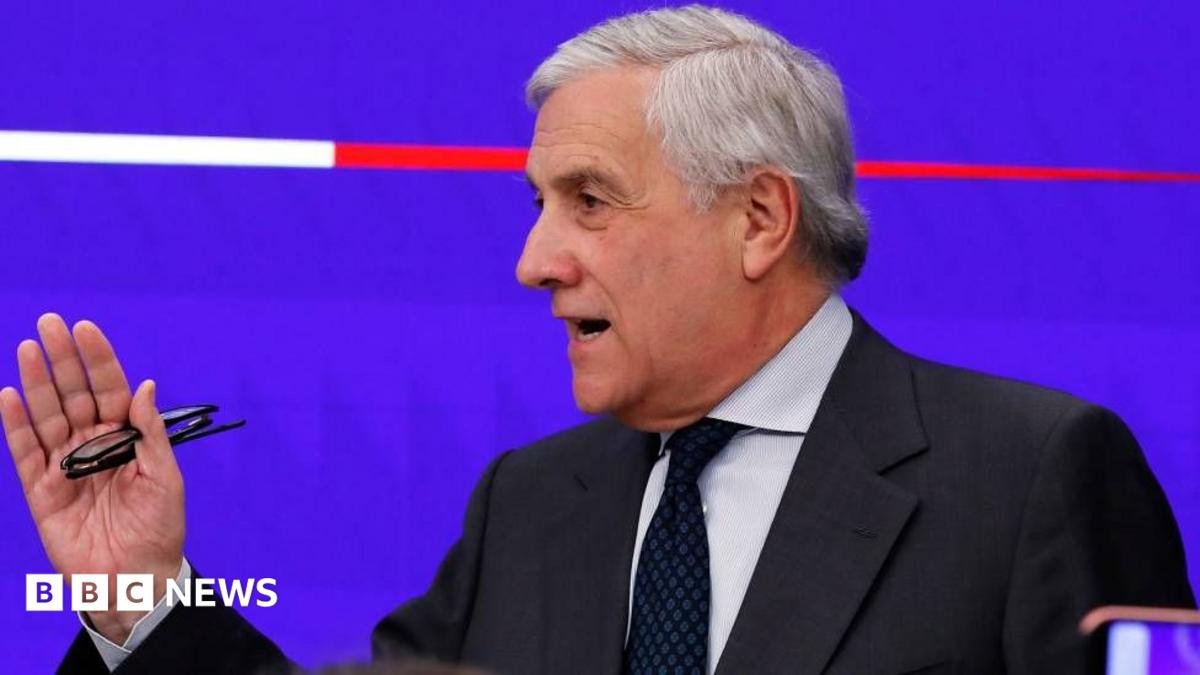
Italy's Foreign Minister Antonio Tajani has revealed that cyber-criminals have published his personal data on the dark web, citing his country's backing of Ukraine as the motive. In a post on X, Tajani stated that the attackers have been releasing his information for days and are seeking more, exposing him to fresh threats and intimidation. He did not detail the nature of the threats but mentioned that his family is also being targeted.
Political Motive Behind the Attack
Tajani linked the attack directly to Italy's foreign policy stance. "Our position on Ukraine is the political reason I have been targeted," he wrote. "Defending the freedom of a sovereign state, taking a clear stand in support of a nation's democracy and independence, is dangerous in the eyes of these criminal entities." The dark web, a concealed portion of the internet requiring specialized software to access, is where the data was reportedly published.
Prime Minister Meloni Blames Pro-Russian Hackers
Prime Minister Giorgia Meloni attributed the incident to pro-Russian hackers and expressed her full solidarity with Tajani. In a statement, she described the sale of confidential information about institutional representatives as a cause of serious concern that must be addressed with utmost determination. Moscow has not publicly responded to the allegations.
Meloni also voiced alarm over what she called the circulation of false images shared by members of Italy's opposition, though she did not provide details about the content. The Italian government has been a steadfast supporter of Ukraine, providing both humanitarian and military aid in its war against Russia.
Government Response and Rising Cyber Threats
Tajani, who also serves as deputy prime minister, affirmed that the government is taking the threats seriously. The incident highlights growing concerns over cyber-attacks targeting European officials. Recently, a cyber-attack disrupted freezers in shops across seven European countries, underscoring the vulnerability of critical infrastructure.
As Italy continues to navigate these challenges, the focus remains on safeguarding national security and protecting public figures from digital threats. The government's response will be closely watched, given the broader implications for European stability and cybersecurity.