As the world turns its attention to the upcoming COP31 climate summit in Antalya, host nation Turkey is championing a vision of electrification and waste reduction, while facing criticism for what some see as a glaring omission: its continued dependence on coal.
Electrification Push
At the heart of Turkey's agenda is a bold target to make electricity account for 35 percent of global energy demand by 2035, a goal known as "35 by 35." This non-binding objective is part of a 10-point Action Agenda that Ankara says will accelerate the transition to renewables and enhance energy security.
"This year's energy crisis has shocked us ... everyone now understands that energy that you import is energy that you do not control. Electrification is the answer. It protects communities from volatile global markets and cuts emissions," said Murat Kurum, COP31 President and Turkey's environment minister, during a press briefing on Thursday.
Kurum emphasized that COP31 aims "to usher in the age of electricity." The focus on electrification is coupled with Turkey's Zero Waste initiative, which seeks to reduce methane emissions by promoting recycling and better waste management.
Environmentalists Cry Foul
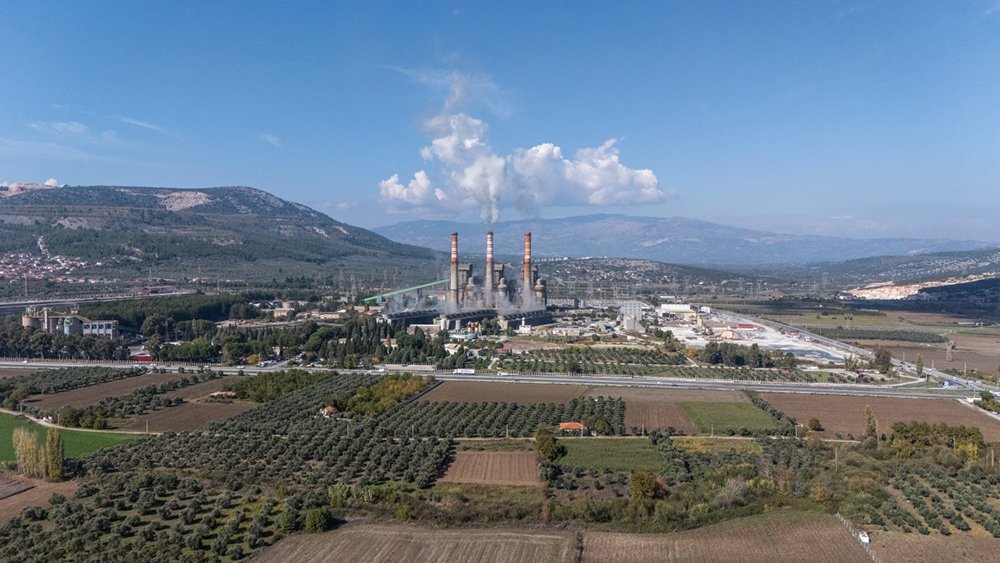
However, local environmental campaigners argue that Turkey's messaging conveniently sidesteps the "elephant in the room": the country's ongoing reliance on coal. They also point out that Turkey has effectively become "Europe's dumping ground" for plastic waste, a fact that undermines its zero-waste narrative.
Critics contend that while Turkey touts its renewables boom, it continues to burn coal for a significant portion of its electricity, and its waste imports have surged in recent years. According to environmental groups, the country's recycling infrastructure is ill-equipped to handle the volume of waste it receives, leading to pollution and health hazards.
The government's reluctance to address coal at COP31 is seen by some as a missed opportunity to lead by example. "You cannot claim to be a climate leader while expanding coal capacity and importing waste from other countries," said one campaigner, who requested anonymity. "The electrification target is commendable, but it must be part of a broader strategy that includes phasing out coal and reducing waste imports."
Global Spotlight
As the summit opens on Monday, all eyes will be on Turkey to see if it can bridge the gap between its ambitious rhetoric and the reality on the ground. The COP31 presidency has the power to shape the global climate agenda, and Turkey's stance on coal and waste will be closely scrutinized.
For now, the Turkish government appears determined to keep the spotlight on its positive initiatives. But as the world grapples with the urgent need to cut emissions, the question remains: can electrification and recycling alone deliver the deep decarbonization that scientists say is necessary? The answer, many argue, lies in confronting the uncomfortable truths that Turkey seems reluctant to acknowledge.
As delegates gather in Antalya, the contrast between Turkey's green ambitions and its brown realities will be hard to ignore. The world will be watching to see whether COP31 becomes a turning point or just another talkfest.