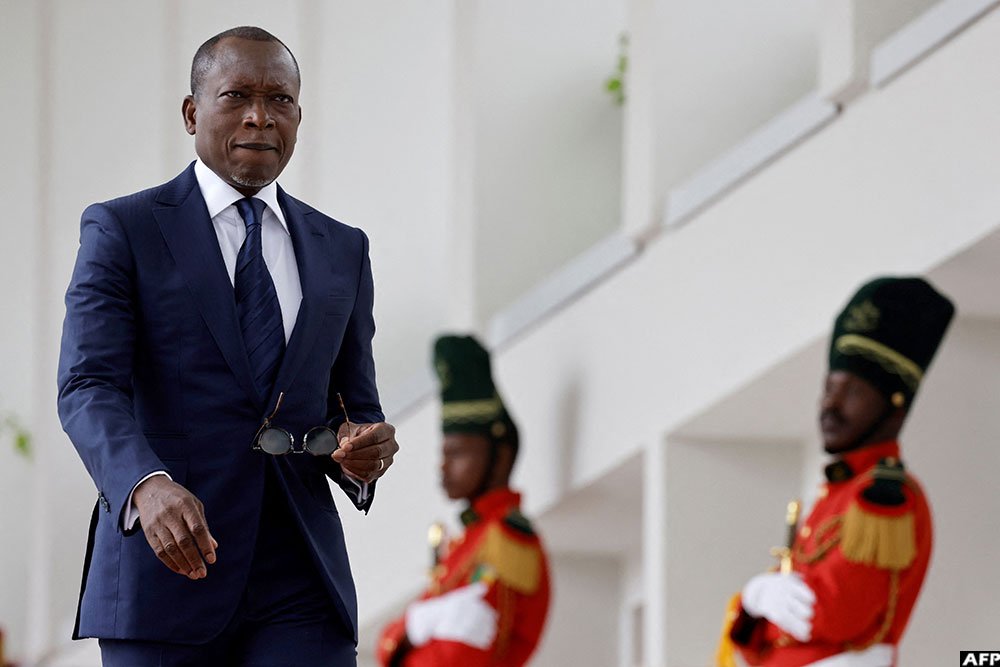
Benin's President Romuald Wadagni has moved to restructure the country's military command, announcing a reshuffle of the armed forces leadership on Wednesday. The decision comes nearly twelve months after authorities say they foiled an attempted coup in the West African nation.
The reorganization signals a renewed push by the government to tighten its grip on the security apparatus and restore confidence within the ranks. While the presidency has not yet released the full list of new appointments, officials confirmed that several senior officers have been reassigned, with fresh faces stepping into key command positions.
Why the Timing Matters
Benin has long been viewed as one of the more stable democracies in a region increasingly troubled by political upheaval. However, last year's alleged coup plot shattered that perception and prompted a sweeping review of how the country's security forces are structured and supervised.
Analysts suggest the latest changes are part of a broader effort to ensure loyalty within the military hierarchy and to prevent any future attempts to destabilize the government. The reshuffle also appears aimed at improving coordination between different branches of the armed forces.
A Region on Edge
The move comes as West Africa continues to grapple with a wave of military takeovers and security crises. Neighboring countries have witnessed coups and attempted power grabs in recent years, raising concerns about the fragility of democratic institutions across the region.
Benin's government has been under pressure to demonstrate that it remains in control and that its institutions can withstand internal and external threats. Wednesday's announcement is likely to be read as a message of resolve, both to domestic audiences and to international partners.
What Comes Next
Observers will be watching closely to see whether the reshuffle brings meaningful reform or merely a change of faces. The effectiveness of the new command will be tested in the months ahead, particularly as Benin confronts security challenges along its northern borders and manages delicate political dynamics at home.
For now, President Wadagni's administration is presenting the move as a necessary step in strengthening national security and ensuring that the armed forces remain a reliable guardian of the country's democratic order.