MOGADISHU, Somalia - Somalia is confronting a precarious security situation as foreign peacekeeping forces begin a rapid withdrawal from strategic positions, driven by severe funding shortages and internal political friction. The accelerated pullback has raised alarms about the country's capacity to take full ownership of its security.
Ugandan Troops Leave Key Bases
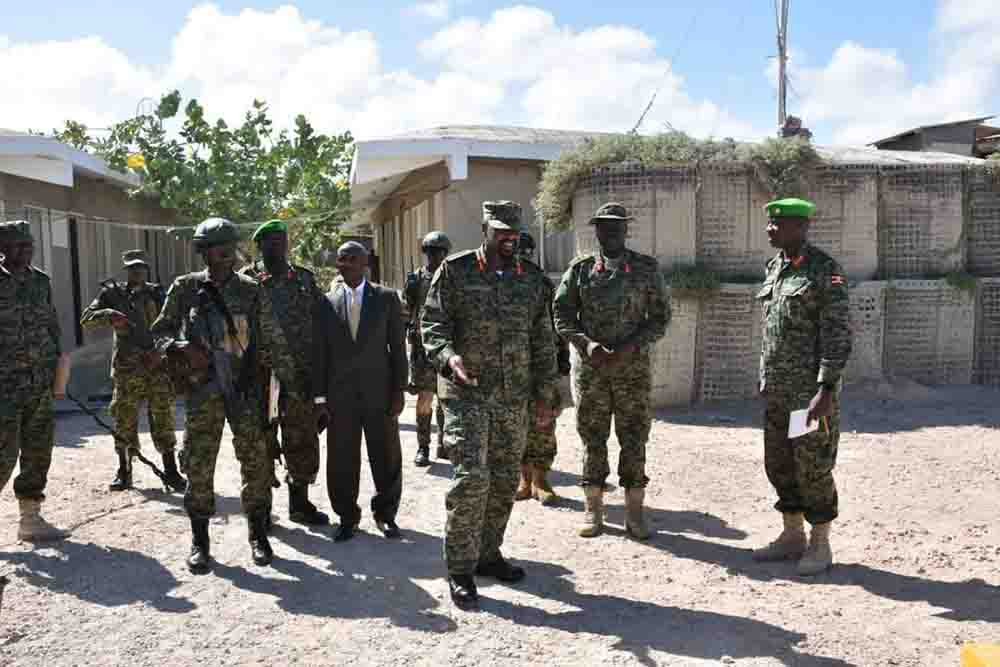
Under the African Union's transition plan, Uganda has started withdrawing troops from four critical locations in southern Somalia: Sabid-Anole, Barire, Awdhegle, and Buulo-Gaduud. Military sources have confirmed that an initial group of 109 Ugandan soldiers returned home last week from Mogadishu. However, officials stress that this first departure does not signify a complete exit from those four strategic sites or the total withdrawal of Uganda's forces from the country.
On November 2, the Uganda People's Defence Forces (UPDF) issued a public statement announcing the drawdown. "The UPDF has embarked on the drawdown of troops deployed in Somalia under bilateral arrangements with the Federal Government, effective immediately. The first cohort of troops under the phased withdrawal operation has already arrived back in Uganda. The operation to withdraw troops deployed in Somalia under bilateral arrangements will be completed in the next few days," the statement read. It further noted that the UPDF will gradually withdraw all its forces from Somalia, including those serving under the African Union Support and Stabilisation Mission in Somalia (AUSSOM), by the end of 2027.
Funding Shortfalls and Political Tensions
The withdrawal comes amid a funding crisis that has hampered the African Union mission's ability to sustain operations. International donors have been slow to fulfill pledges, leaving peacekeeping forces under-resourced and unable to pay stipends on time. This financial strain has compounded existing political tensions between Somalia's federal government and regional states, further complicating security arrangements.
Observers warn that the vacuum left by departing troops could be exploited by al-Shabaab militants, who have continued to carry out deadly attacks across the country. The Somali National Army (SNA) has been receiving training and support, but questions remain about its readiness to hold territory independently.
International Concerns
The United Nations and other international partners have expressed concern over the pace of the withdrawal. In a recent Security Council briefing, officials urged for a conditions-based approach to the transition, emphasizing that drawdowns should be tied to tangible progress in building Somali security capabilities. The African Union has also called for renewed funding commitments to ensure that AUSSOM can fulfill its mandate during the transition period.
As Uganda begins its phased exit, other troop-contributing countries are expected to follow suit. The coming months will be critical in determining whether Somalia can prevent a security backslide and maintain the gains made over years of international intervention.
Help us improve! We're always striving to create great content. Share your thoughts on this article and rate it below.