KAMPALA - The recent falling out between Mubarak Munyagwa, president of the Common Man's Party (CMP), and his secretary general, Moses Bigirwa, has ignited a broader conversation about internal democracy, accountability, and the durability of young political parties in Uganda. The dispute, which led to Bigirwa's indefinite suspension on November 5, 2026, followed weeks of simmering tensions over party administration, the operation of executive structures, and the roles of senior leaders.
A Public Split
While Munyagwa insists that the suspension was a constitutional decision by the party's National Executive Committee (NEC), Bigirwa has rejected the move and threatened legal action. The clash has raised questions about the party's internal cohesion and its future direction. Analysts note that the two leaders campaigned together under the same platform during the January 2026 general elections, with Munyagwa running for president and Bigirwa seeking the parliamentary seat for Kamuli Municipality.
Veteran journalist and political commentator John Kakande says the situation is not unique. "What is happening with the Common Man's Party is more or less a common problem which has been affecting young parties," he said. "I remember even during the election period, it was the same problem with the NEED Party led by Joseph Kabuleta, when a section said they had suspended him and he also claimed that he had suspended all of them."
Leadership Conflict
Speaking to reporters after an extraordinary National Council meeting at Makerere University Guest House earlier in the week, Munyagwa recounted his political relationship with Bigirwa, stressing that it had never been influenced by tribal or religious considerations. He accused Bigirwa of being self-centred, alleging that during the 2021 general elections, Bigirwa wanted the party to focus on his parliamentary bid at the expense of other candidates.
At the same meeting, Munyagwa announced leadership changes endorsed by the NEC following Bigirwa's suspension. Proscovia Ropan was appointed acting secretary general in charge of research, while Asadullah Semmindi was designated acting secretary general responsible for administration and party liaison. Cornelius Kagoro was named overall deputy secretary general in charge of general duties.
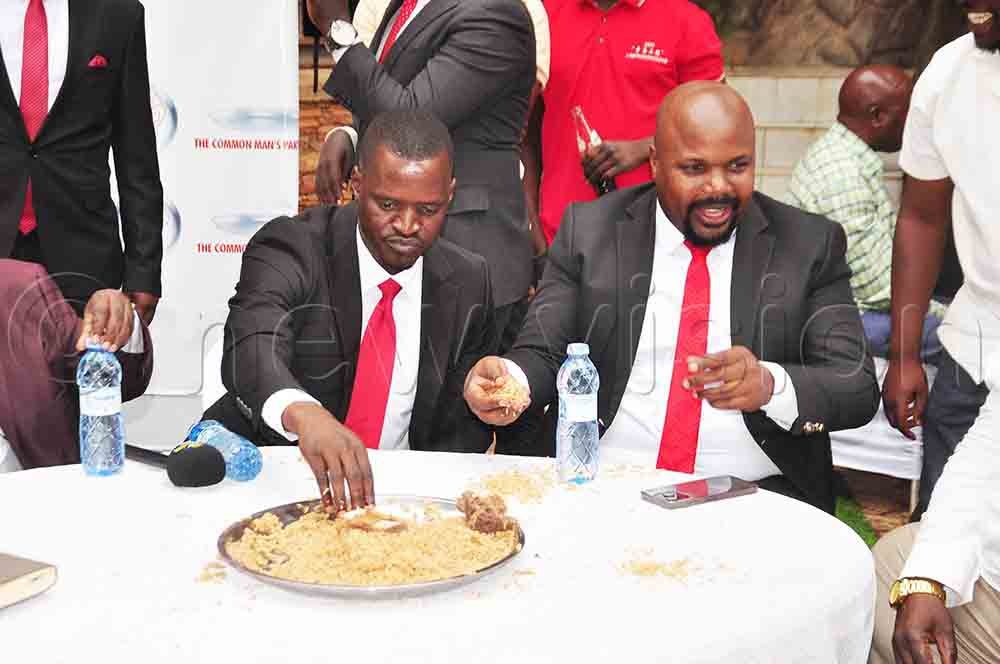
The announcement marks a stark contrast to the public show of unity in July 2025, when Munyagwa and Bigirwa stood alongside other leaders to unveil CMP after the rebranding of the Uganda Economic Party (UEP). During that event, the leaders shared a platter of pilau, symbolising solidarity within the new political formation. Munyagwa, a former Kawempe South MP in the 10th Parliament, was presented as party president, while Bigirwa became secretary general.
At the time, the two portrayed CMP as an alternative political platform aimed at championing the interests of ordinary Ugandans and challenging the established political order. Their relationship appeared cordial during preparations for the 2026 general elections. Munyagwa contested for the presidency under the party ticket, receiving 31,666 votes, or approximately 0.29% of the valid votes cast, according to published results.
What It Means for Young Parties
The CMP rift is the latest in a series of conflicts that have plagued Uganda's newer political parties, often formed as vehicles for change but struggling to institutionalise democratic processes. Such disputes, analysts say, can erode public trust and undermine the parties' ability to present a united front against entrenched political forces. The coming weeks will reveal whether the CMP can resolve its internal crisis or become another case study in the challenges facing young political organisations.