Thousands of international companies are preparing to converge on Shanghai this November as China hosts the ninth edition of its flagship import trade fair, a event that has become a cornerstone of the global trade calendar and a symbol of the country's push to open its market to the world.
A Fair Built for Imports
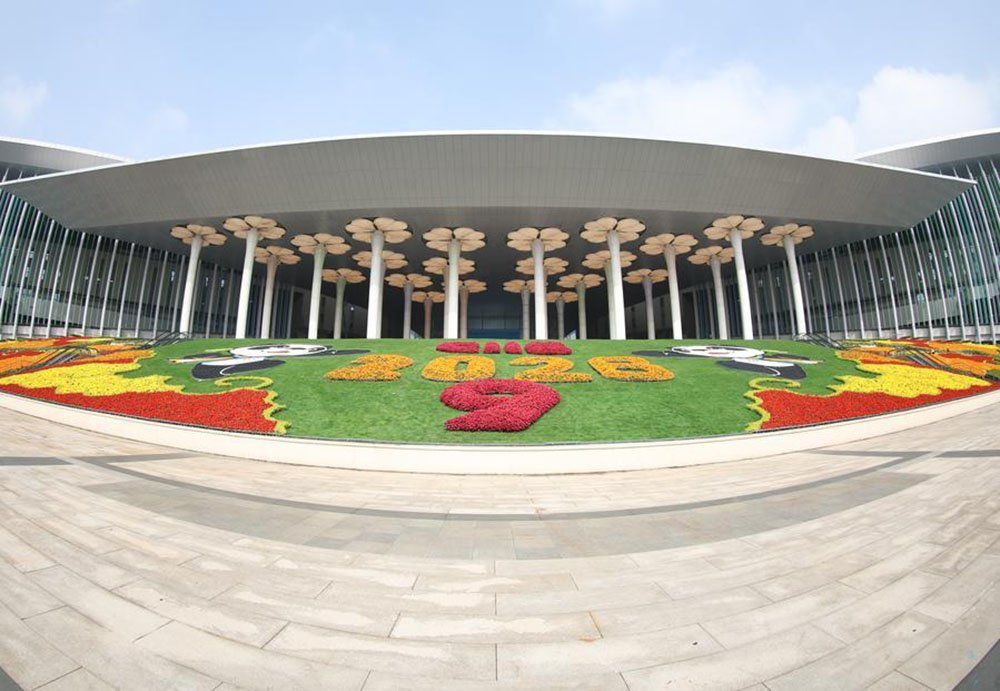
The China International Import Expo (CIIE) is scheduled to run from November 5 to 10 at the National Exhibition and Convention Center in Shanghai, recognizable by its distinctive four-leaf-clover design. This year's gathering will welcome 4,142 overseas exhibitors, including more than 2,000 first-time participants alongside companies that have attended every previous edition.
First announced in 2017 and held annually since 2018, the expo holds a unique distinction: it is the world's first national-level trade fair devoted exclusively to imports rather than exports. The event was conceived as part of Beijing's broader strategy to widen market access and support an open global economy.
Why Businesses Keep Coming Back
The appeal is straightforward. China stands as the world's second-largest import market, and the CIIE offers foreign firms a direct route to buyers, distributors, and partners across the country. Organizers describe the expo as a platform for high-standard opening-up and a public good that allows businesses worldwide to share in the opportunities generated by China's vast consumer base.
But the event serves China's own interests as well. Imported consumer goods give households a wider range of choices, while advanced machinery and technologies support industrial upgrading at home. Increased imports of goods and services also help meet domestic demand and promote more balanced trade overall.
Policy Support Continues
The push to expand imports carries into 2026, the opening year of China's 15th Five-Year Plan covering 2026 to 2030. This year's government work report explicitly calls for boosting imports to encourage balanced trade. The five-year blueprint likewise urges expanded imports of advanced technology and equipment, quality agricultural products, and producer services to meet domestic needs.
The plan also commits to continuing the CIIE and other major trade fairs, including the Canton Fair in southern China, while strengthening trade-promotion platforms more broadly.
A Fixture on the Global Stage
For returning exhibitors, the expo has become more than a one-off sales opportunity. It functions as a yearly checkpoint for gauging Chinese consumer tastes, regulatory shifts, and competitive dynamics. For newcomers, it represents a high-profile entry point into a market that remains difficult to navigate without local relationships.
As global trade faces persistent uncertainty, the CIIE's endurance, now in its ninth year, underscores China's determination to position itself as a reliable destination for foreign goods and services. Whether that message resonates with the thousands of businesses making the trip to Shanghai will be measured not just in signed contracts, but in how many of them choose to return again next year.