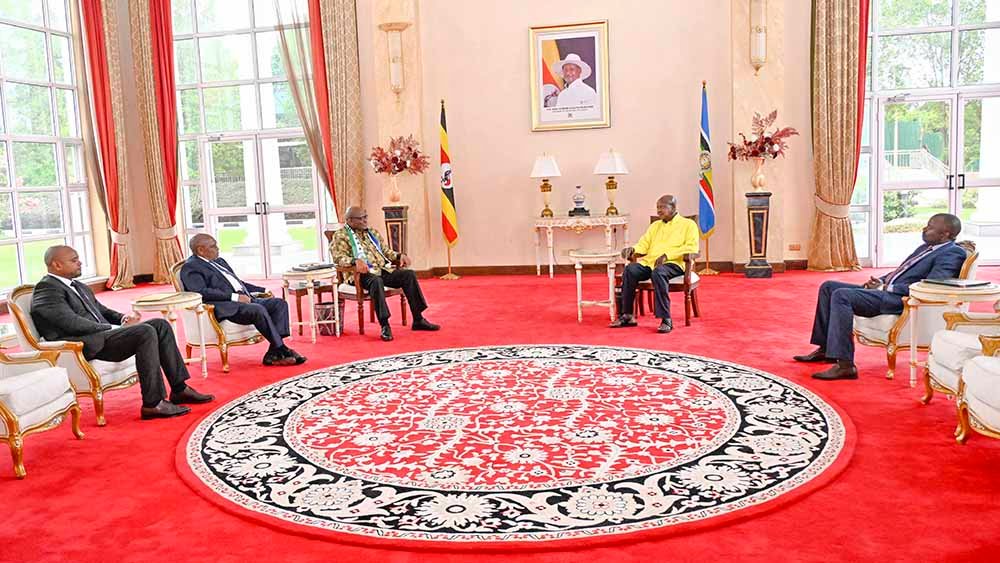
Uganda's homegrown automotive industry has received a significant vote of confidence from the Kingdom of Lesotho, which has announced plans to purchase 20 buses from Kiira Motors Corporation. The deal, discussed at State House in Entebbe on Monday, November 10, is expected to deepen bilateral ties between the two nations while showcasing Uganda's expanding vehicle manufacturing capabilities.
A Special Envoy Delivers a Message
The arrangement was at the center of talks between President Yoweri Museveni and Lesotho's Minister of Foreign Affairs and International Relations, Justice Limpho Tau. Minister Tau traveled to Uganda as a special envoy bearing a message from Lesotho's Prime Minister, Samuel Ntsokoane Matekane.
During the meeting, President Museveni welcomed the purchase proposal and immediately directed the Minister of State for Foreign Affairs in charge of Regional Affairs, Haruna Kyeyune Kasolo, to coordinate with Kiira Motors Corporation to ensure the transaction moves forward smoothly.
An Additional Request, Graciously Accepted
The conversation did not end with the commercial order. Prime Minister Matekane also asked President Museveni to support Lesotho with five additional buses. The Ugandan leader accepted the request on the spot and pledged to donate the vehicles, a gesture that underscores the warmth of the relationship between Kampala and Maseru.
The pledge of five buses adds a humanitarian dimension to the deal, suggesting that Uganda views its partnership with Lesotho as more than a straightforward commercial exchange.
Kiira Motors and the Push for Local Manufacturing
Kiira Motors Corporation, a state-backed enterprise, has become a flagship of Uganda's ambition to build a self-sustaining automotive sector. The company has been steadily working to position itself as a regional supplier of buses and electric vehicles, and the Lesotho order represents one of its most notable export breakthroughs to date.
The deal is likely to be viewed in Kampala as validation of the government's long-term investment in local manufacturing, job creation, and technology transfer. It also aligns with broader efforts to promote intra-African trade and reduce reliance on imported vehicles.
Strengthening Ties Across the Continent
The meeting at State House reflects a growing pattern of African nations looking to one another for industrial partnerships. By choosing Ugandan-made buses, Lesotho is signaling confidence in the quality and affordability of products manufactured within the region.
For Uganda, the order offers more than revenue. It provides a visible endorsement of its industrial policy and could open doors to similar agreements with other countries on the continent. Officials have not yet disclosed the financial value of the purchase or a delivery timeline, but the directive to fast-track coordination suggests both sides are eager to see the buses on Lesotho's roads.
As the two governments move to finalize the arrangement, the deal stands as a reminder of how diplomatic engagement can translate into tangible economic outcomes, and how a simple request between leaders can grow into a partnership with lasting impact.