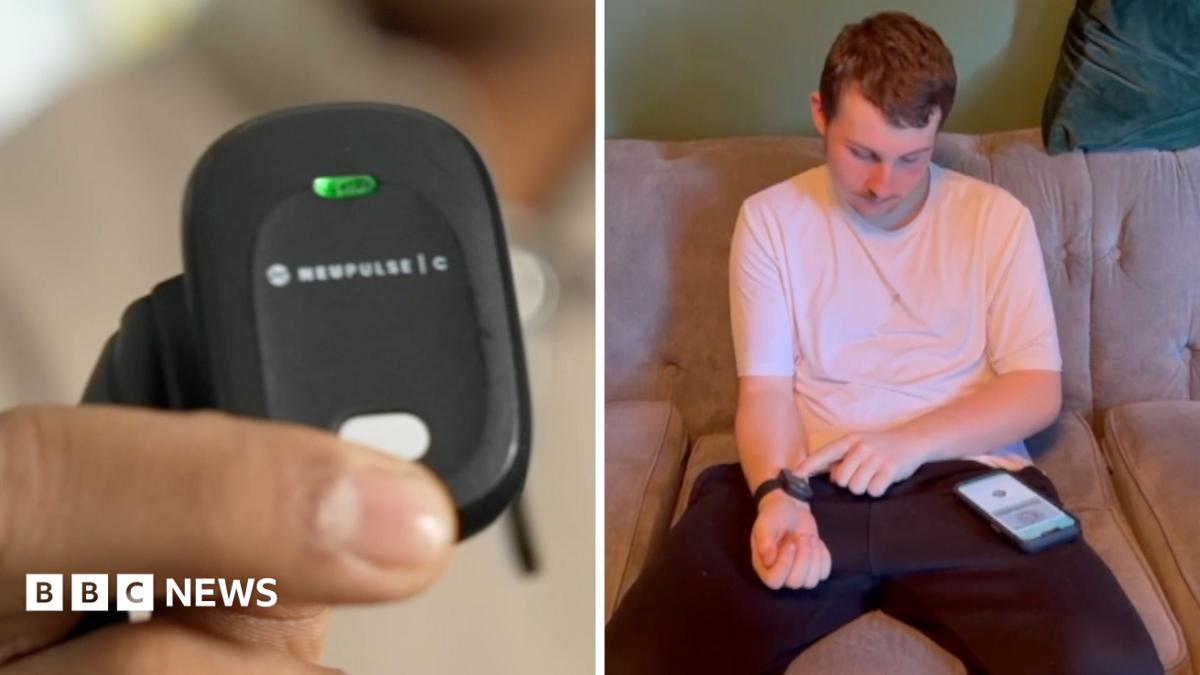
For individuals living with Tourette syndrome, the involuntary tics that characterize the condition can be disruptive and challenging to manage. However, a groundbreaking wrist device developed by researchers at the University of Nottingham is providing immediate and transformative relief, offering new hope to those affected.
A Novel Approach to Tic Management
The small, unobtrusive device works by delivering mild electrical pulses to the median nerve at the wrist. This stimulation, according to trials, has the potential to alter activity in the brain regions responsible for movement control, thereby reducing the frequency and intensity of tics. Tourette syndrome is a neurodevelopmental disorder that typically emerges in childhood, and while treatments exist, they often come with side effects or are not universally effective.
One of the device's beneficiaries is 15-year-old Ollie from Cheshire, who began experiencing involuntary neck movements nearly two years ago. For Ollie, the device has been nothing short of life-changing. "It's instant," he says. "I put it on and the tics just stop." This immediate response is a stark contrast to other therapies that may take weeks or months to show results.
How It Works
The technology behind the device is rooted in neuromodulation. By stimulating the median nerve, the device sends signals to the brain that appear to modulate the neural circuits involved in tic generation. This non-invasive approach avoids the need for surgery or medication, making it an attractive option for patients and families.
Dr. Sarah Johnson, a lead researcher on the project, explains: "Our trials have shown that this device can significantly reduce tic severity in a matter of minutes. It's a completely new way of managing Tourette's, and we're excited about the potential it holds."
Looking Ahead
While the device is still in the trial phase, the results have been promising. The University of Nottingham team is now working on refining the technology and hopes to make it widely available in the coming years. For families like Ollie's, the device represents a beacon of hope.
"Before the device, Ollie's tics were affecting his daily life and his confidence," says his mother, Jane. "Now, he's more relaxed and able to focus on school and his hobbies. It's been incredible to witness."
As research continues, the device stands as a testament to the power of innovation in improving the lives of those with neurological conditions. With further development, it could become a standard tool in the management of Tourette syndrome, offering relief to countless individuals worldwide.