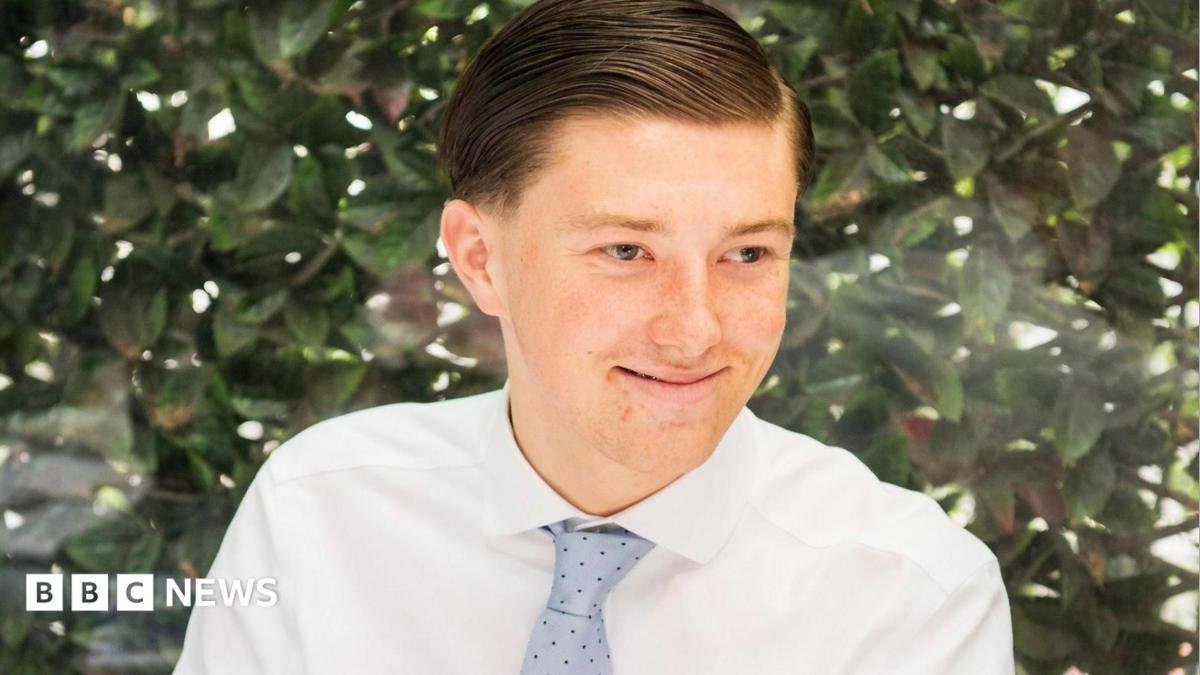
The man convicted of murdering 18-year-old student Henry Nowak in Southampton has had his minimum prison term increased to 25 years by the Court of Appeal. Vickrum Digwa, who stabbed Henry with a large dagger on Belmont Road on 3 December 2025, originally received a 21-year minimum term, but judges ruled that sentence was unduly lenient.
Court of Appeal Increases Sentence
The Lord Chief Justice, Baroness Carr, announced the decision on Thursday, stating that the original term did not adequately reflect the overall seriousness of the murder. Digwa, who was 22 at the time of the attack, must now serve at least 24 years and 190 days before being considered for parole, after accounting for time already spent in custody.
During the trial, Digwa claimed that Henry had attacked and racially abused him, leading to Henry being handcuffed as he lay dying. However, the trial judge later found these accusations to be false. Digwa was sentenced to life imprisonment at Southampton Crown Court in June.
Attorney General's Referral
Attorney General Ellie Reeves, who was Solicitor General at the time, referred the sentence to the Court of Appeal under the Unduly Lenient Sentence scheme. Digwa also sought permission to appeal against his sentence, arguing it was manifestly excessive, but this was refused.
In her ruling, the Lord Chief Justice noted that the trial judge was entitled to start at 15 years, as he found Digwa had not taken the knife to the scene intending to commit a crime. However, she emphasized that a very significant uplift was necessary due to the use of the large kirpan, a religious knife that baptised Sikhs are expected to carry. Digwa wore a small kirpan around his neck but also carried a larger one on a belt, in accordance with the Nihang order.
The judge stated that the fact that initially carrying the knife may have been lawful does not reduce the seriousness of its subsequent lethal use. She added that the original sentence had understated the repeated use of a large dagger with intent to kill, as well as the deliberate cruelty, additional suffering, and obstruction that followed. It was not only lenient, but unduly so, she said.
Family's Response
In a statement, Henry's family called the decision an important step towards justice but stressed that no sentence, however long, can ever give Henry his life back. They described their grief as a life sentence, with no appeal and no reduction in their suffering. They also said their fight for justice is far from over and expressed support for an independent rapid review being carried out by Alex Chalk.
Attorney General Ellie Reeves said: The brutality and cruelty of this case horrified me, and I know that feeling is shared by the British public. My thoughts remain with Henry's family and loved ones at this incredibly difficult time. No sentence can ever fill the void left by his loss, and I hope this outcome goes some way towards bringing them the justice they deserve.
During the hearing, Jonathan Polnay KC, representing the Attorney General, argued that the 21-year term did not sufficiently reflect the very high degree of seriousness of the offending. He said Digwa had abused the legal exemption allowing Sikhs to carry religious blades, which permitted him to have the dagger, and that this was on at least one level analogous to an abuse of trust. Imran Khan KC, defending, argued that the trial judge had counted overlapping aggravating factors more than once.
The judges agreed that some factors should not have counted against Digwa, including the community impact of the case, which he had not anticipated or intended.
Digwa's mother, Kiran Kaur, was jailed for three years in July for assisting an offender by removing the knife from the scene. She abandoned an appeal against her sentence shortly before Thursday's hearing. Digwa has also applied to appeal against his murder conviction, which will be decided separately.