A controversial US-funded trial of a hepatitis B vaccine on newborn babies in Guinea-Bissau has been cancelled following widespread condemnation that it was "unethical" and "neocolonial." The proposed study, which was backed by the US government under Health Secretary Robert F Kennedy Jr, a long-time vaccine sceptic, drew international criticism for planning to withhold the vaccine from half of the participating infants.
Background: A Trial in Question
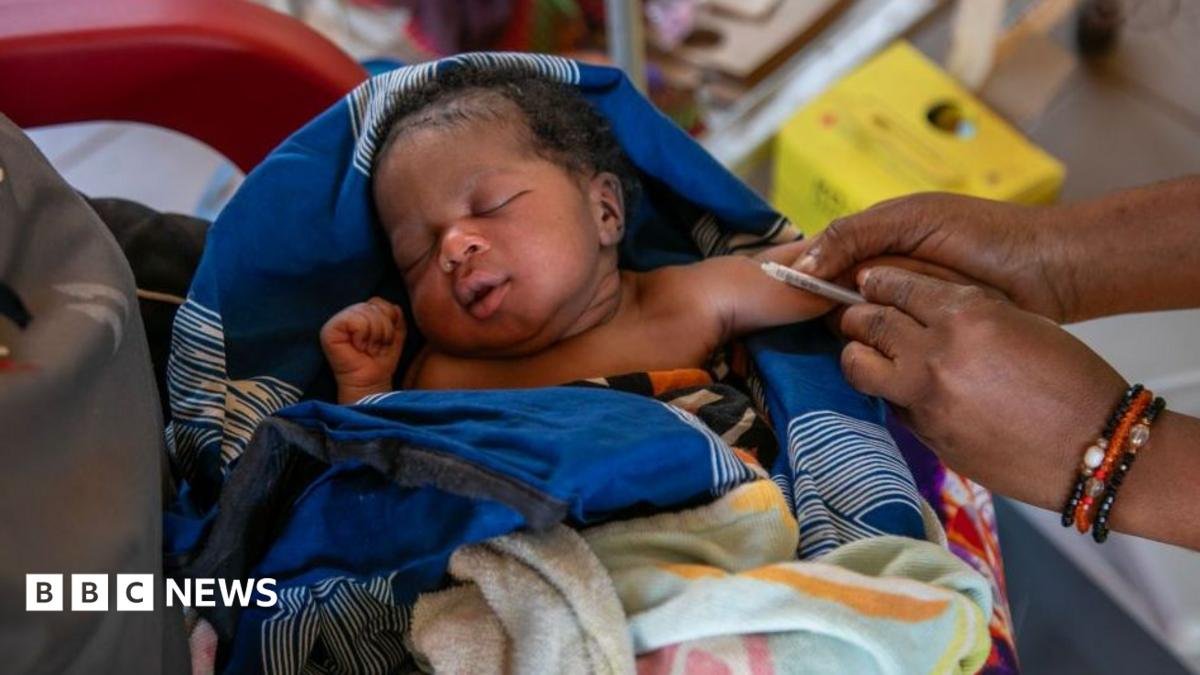
The study was to be conducted at the Bandim Health Project, a research centre operating in Guinea-Bissau since 1978. It aimed to enrol 14,000 newborns, with half receiving the hepatitis B vaccine shortly after birth and the other half not. The researchers argued that the trial would investigate whether the vaccine has broader health benefits beyond preventing infection, and noted that Guinea-Bissau does not currently offer routine birth-dose vaccination despite World Health Organization (WHO) recommendations.
However, critics questioned the ethics of withholding a vaccine that has been proven to protect against hepatitis B, especially in a country where nearly one-fifth of the population is infected with the virus. The WHO representative in Guinea-Bissau, Walter Kazadi Mulombo, told the BBC: "The vaccine has been used for more than 30 years in more than 115 countries. A study that will withhold that intervention from other newborns is unethical."
Ethical Concerns and Neocolonialism Accusations
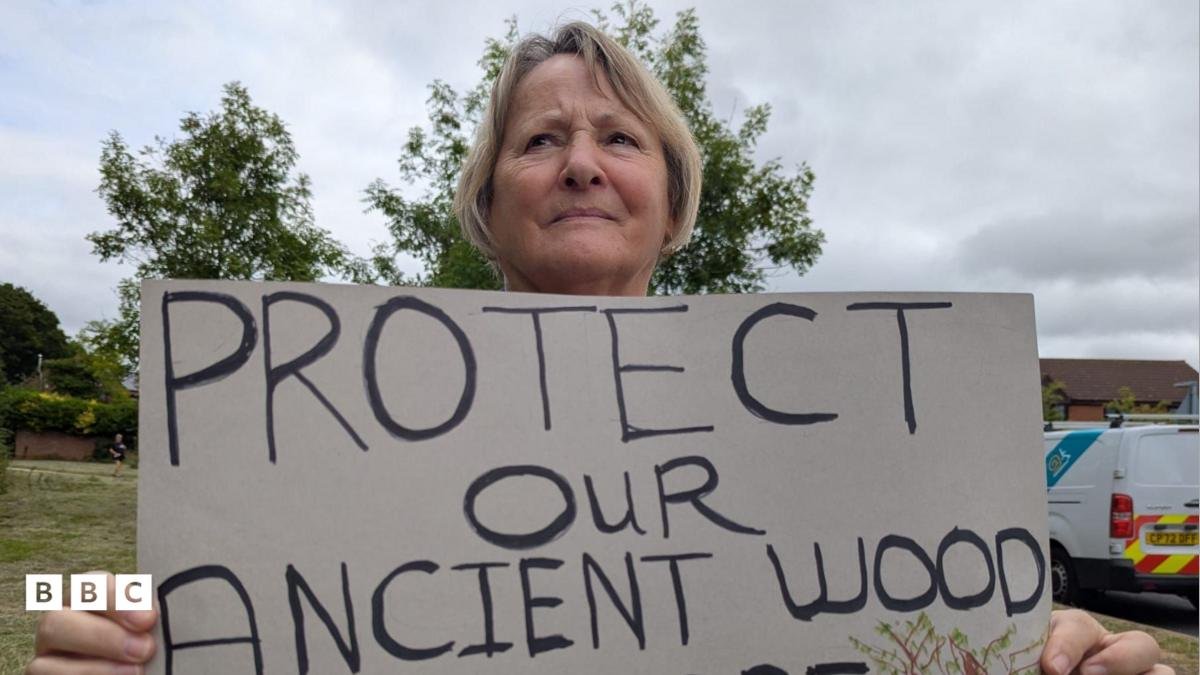
Dr Gavin Yamey, a professor of global health at Duke University, said the proposal "reeks of neocolonialism" and questioned why the research was not being conducted in Denmark, where the lead institution, the University of Southern Denmark (SDU), is based. The trial was funded by the US Centers for Disease Control and Prevention (CDC), which awarded SDU $1.6 million in December 2025.
The controversy deepened when it emerged that Guinea-Bissau's government had prohibited hepatitis B vaccine trials involving children in January. Health Minister Quinhin Nantote expressed outrage upon learning from media reports that the study might proceed, stating that the suspension remained in force and that he had not been informed.
Police Seize Vaccines as Investigation Unfolds
On 19 October, Guinea-Bissau's Judicial Police searched the Bandim Health Project's facilities in the capital, Bissau, and seized a batch of hepatitis B vaccines. The police did not disclose the number of doses seized or the specific grounds for the investigation, but stressed that the seizure did not imply the vaccines were defective or unsafe.
SDU dean Jakob Grauslund said the trial had never started, no babies had been enrolled, and no vaccinations had been administered as part of the research. He added that the university's own ethics committee had approved a revised protocol, but acknowledged that separate authorisation from Guinea-Bissau's authorities was still required.
Broader Implications for Vaccine Policy
The proposed trial came amid significant shifts in US vaccine policy under President Donald Trump and Health Secretary Kennedy. Kennedy has previously attempted to end the recommendation that all newborns receive the hepatitis B vaccine at birth, a move blocked by a federal judge. Critics have questioned whether the research could have been used to support that policy change, although the study's stated aim was to investigate the vaccine's broader effects.
The WHO is now working with Guinea-Bissau's government to introduce the birth-dose vaccine earlier than the planned 2028 rollout. Mulombo said officials are considering adding it to the routine immunisation schedule in the first quarter of next year. Currently, Guinea-Bissau vaccinates children against hepatitis B at six weeks, which is less effective than the birth dose.
The cancellation of the trial highlights ongoing tensions over global health research, particularly when it involves vulnerable populations in low-income countries. As the world grapples with vaccine hesitancy and misinformation, the case raises important questions about how to balance scientific inquiry with ethical responsibility.