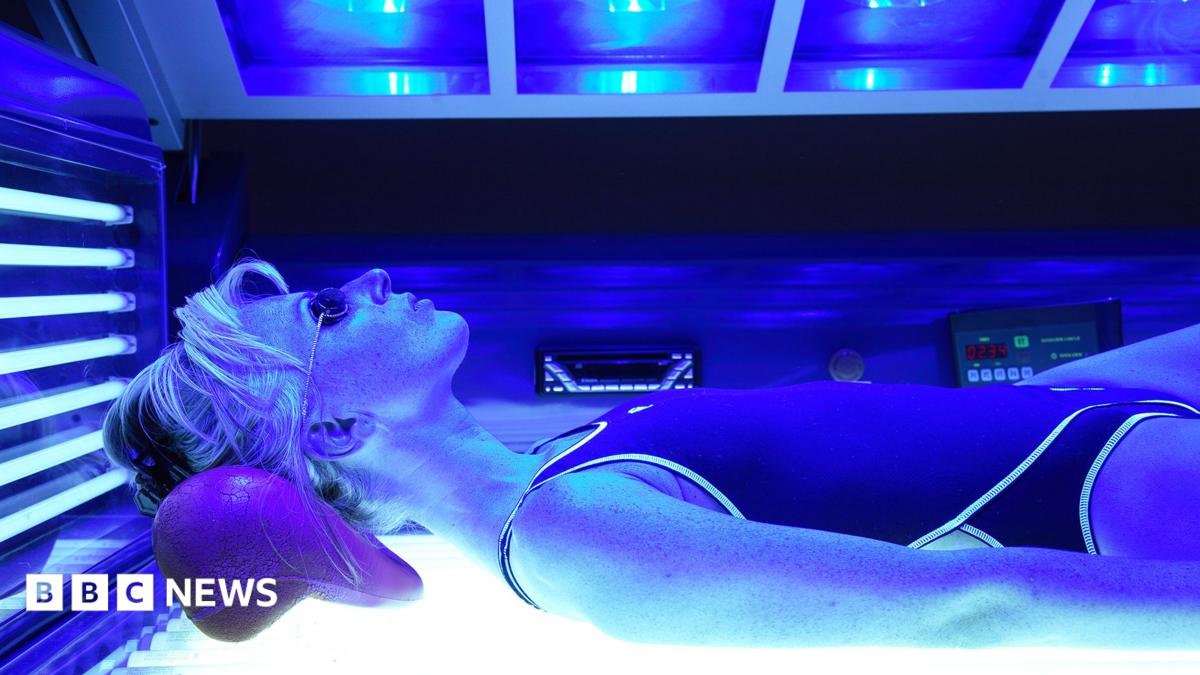
Britain's advertising regulator has launched a nationwide crackdown on tanning companies that make misleading health claims about sunbeds, warning firms they cannot present the devices as safe or suggest they can treat medical conditions.
Enforcement Notice Targets Harmful Claims
The Committee for Advertising Practice (CAP), which drafts the UK's advertising rules, said it was issuing an enforcement notice across the country to deliver what it described as a clear message to the industry. Advertisers, the body stressed, must stop minimizing the serious dangers linked to sunbed use.
The move follows an investigation earlier this year that uncovered hundreds of social media videos in which tanning businesses claimed their beds could boost energy levels, ease skin conditions or even improve mental health.
James Burnett, a compliance executive at the CAP, said sunbeds carry serious health risks, including a heightened chance of developing skin cancer. He stressed that advertisements should never play down those dangers or portray tanning sessions as a route to better health. Such claims, the watchdog warned, could be potentially harmful and might discourage customers from seeking proper medical advice or treatment.
Medical Experts Sound the Alarm
Cancer charities and doctors have long been unequivocal about the dangers. The machines are associated with higher rates of melanoma and other forms of skin cancer. According to the World Health Organization, using a sunbed before the age of 35 raises the risk of melanoma by 59 percent later in life.
Young people remain the most frequent users in the UK. A 2025 YouGov survey found that roughly one in seven people aged 18 to 24 had used a sunbed in the previous year, double the average across all age groups.
Rosie Vare, health information manager at Teenage Cancer Trust, welcomed stricter enforcement of the advertising rules. She noted that skin cancer is among the most common cancers in young adults and urged young people to seek information from trusted, regulated sources such as the NHS or cancer charities.
Industry Responds
The Sunbed Association, which represents around half of the UK's tanning salons, said it fully backed action against misleading adverts. Its chairman, Gary Lipman, insisted he would never encourage members to use health claims to promote their products, while arguing that businesses must still be allowed to show they operate responsibly.
He said there is a world of difference between claiming something is risk free and explaining that a business follows the rules. Under the association's guidelines, members train staff to screen out high-risk customers with very fair skin, and no individual should be permitted more than 60 sessions a year.
Sunbed use is legal and regulated across the UK, with limits on the strength of ultraviolet light the beds may emit and a ban on under-18s using them.
Deadline Set for Compliance
The CAP said it had identified a string of misleading health claims, including suggestions that tanning beds can relieve eczema, sharpen brain function, reduce inflammation and improve circulation. Earlier this year, the Advertising Standards Authority, which enforces the CAP code, banned five adverts that claimed sunbeds could help manage conditions such as osteoporosis and depression.
The new notice warns businesses against making medical claims, promoting sunbeds as a source of vitamin D or suggesting the devices are safe. Advertisers have until 7 December 2026 to bring their marketing into line. The watchdog said it would deploy an AI-based monitoring system to flag adverts that continue to break the rules and would take further action where needed.