The Conservative Party has announced a plan to save £2.8 billion annually by ending Disability Living Allowance (DLA) payments for families of children with what it describes as "milder cases" of behavioural disorders, learning difficulties, or ADHD. The proposal is part of a broader effort to reduce the welfare budget by £36 billion.
What the Plan Entails
Under the proposed changes, only children with the most severe conditions, approximately 30% of current cases, would remain eligible for cash payments. The remaining 70% would lose DLA but gain access to mental health services and family hubs, backed by a £1 billion investment. The changes would apply to new claims and reassessments, while children with physical disabilities would be exempt.
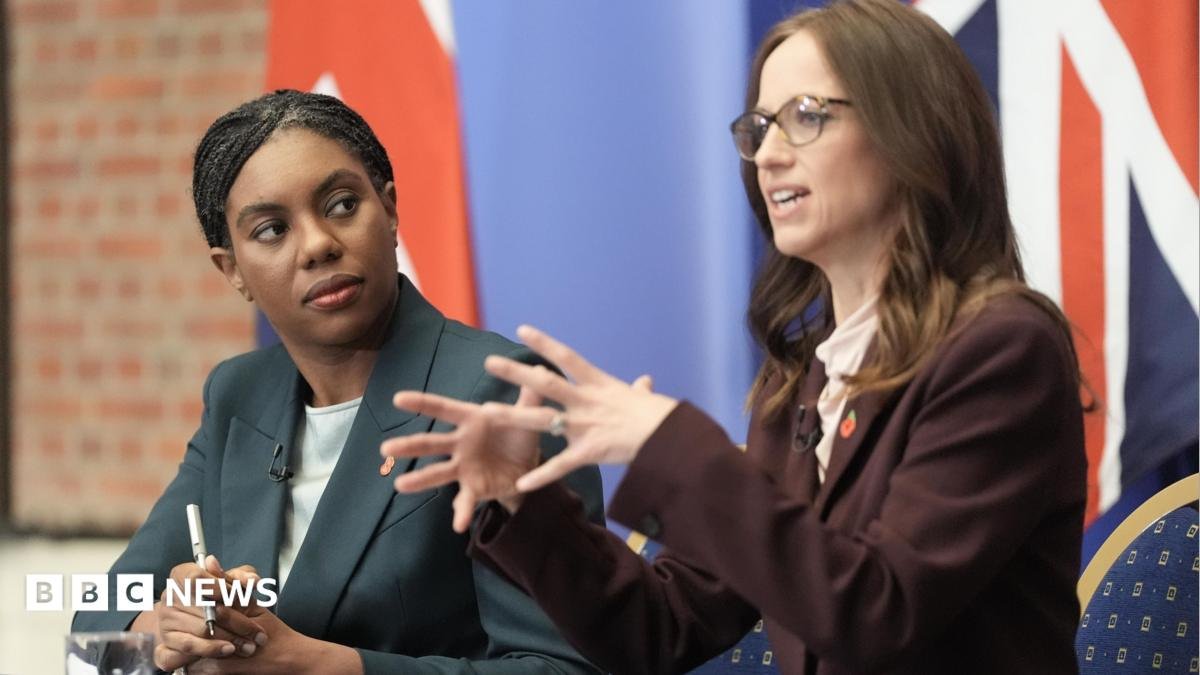
Shadow Work and Pensions Secretary Helen Whately argued that the current system risks placing children on a "conveyor belt" towards a lifetime on benefits. She emphasised that the party is committed to reforming welfare to encourage self-sufficiency.
Labour's Response
Labour condemned the plan as a "charter for homelessness and human misery" that would push families into hardship and ultimately cost the state more. A Labour spokesperson criticised the Conservatives for designing a benefit system that has "driven large numbers of people to be signed off and written off," and highlighted Labour's efforts to tackle the collapse in face-to-face assessments and provide personalised employment support.
Background on DLA
DLA for children provides parents with between £30.30 and £194.60 per week to help cover the additional costs of raising a disabled child. Eligibility requires that the child has difficulty getting about or needs more care than a child of the same age without a disability. The Conservatives point to government statistics showing that child DLA cases have risen from 521,476 in 2020 to 914,000, making it the fastest-growing benefit in the UK's welfare system.
Broader Welfare Reforms
The Conservatives have outlined a series of measures to achieve the £36 billion in savings, including:
- £13.7 billion from changes to sickness and disability benefits, including restrictions for claimants with "milder mental health issues and neurodiversity conditions such as anxiety, depression and ADHD."
- £9.5 billion by making it harder for foreign nationals to claim benefits.
- £4.5 billion by reducing local housing allowance payments.
- £3.1 billion by reintroducing the two-child benefit cap.
Conservative leader Kemi Badenoch defended the approach, stating: "The reality is that millions of people can and do contribute to our economy, to their families, to their communities even when they face serious challenges." She warned against telling young people that their ADHD makes them defective, arguing that such a mindset could be more destructive than the condition itself.
Government's Next Steps
The Labour government has expressed its intention to reduce the benefits bill but has not set a timeline. Further details are expected following the publication of reviews by former minister Alan Milburn on young people not in education, employment, or training, and a review into disability benefits co-chaired by Minister Sir Stephen Timms, both due in November.
Whately accused Milburn of "rolling the pitch for more welfare spending," while Labour insisted it is addressing the issue through personalised support and the Youth Guarantee.
The Child Poverty Action Group warned that the proposals would cause the biggest overnight increase in child poverty since records began, taking the UK "back to the dark ages."