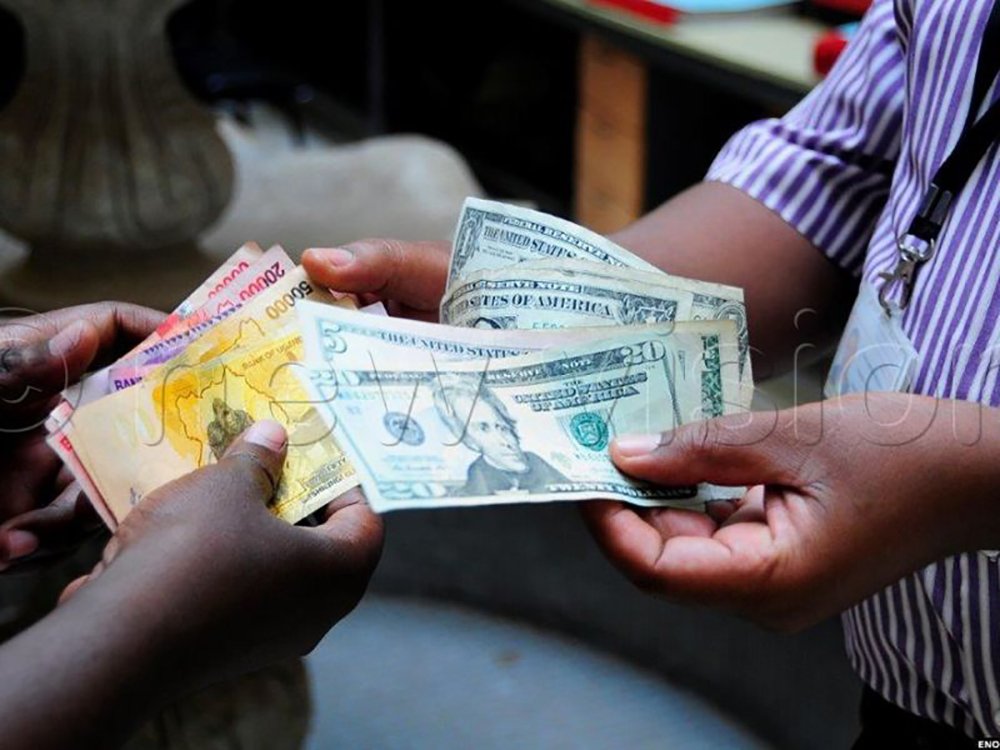
The Uganda shilling remained relatively stable against the US dollar on Wednesday, with the central bank stepping in to absorb excess liquidity from the money market. According to market analysts, the local currency traded within a narrow range, as demand for dollars from interbank and offshore players outpaced the limited inflows available.
Central Bank Action
The Bank of Uganda (BoU) conducted a liquidity mopping-up operation, absorbing a significant amount of shillings from the banking system. This move is part of the central bank's efforts to manage inflation and support the local currency. The operation helped to tighten shilling liquidity, which in turn provided some support to the currency.
Market Dynamics
The shilling has been under pressure in recent weeks due to a combination of factors, including increased demand for dollars from importers and a slowdown in foreign exchange inflows. However, the central bank's intervention has helped to stabilize the market. On Wednesday, the shilling traded at around 3,800/3,810 against the dollar, unchanged from the previous day's close.
Analysts noted that the demand for dollars was mainly driven by the energy and manufacturing sectors, which require foreign currency to pay for imports. At the same time, inflows from non-governmental organizations and remittances were insufficient to meet the demand.
Outlook
Looking ahead, market participants expect the shilling to remain relatively stable in the near term, supported by the central bank's actions and anticipated inflows from coffee exports. However, they caution that any significant increase in dollar demand could put pressure on the currency.
The central bank has reiterated its commitment to maintaining price stability and a stable exchange rate. It has also been building up foreign exchange reserves, which now stand at around $4 billion, providing a buffer against external shocks.
In the broader economy, the stable shilling is expected to help keep inflation in check, as imported goods remain affordable. The government has projected economic growth of 6% for the current fiscal year, supported by investments in infrastructure and oil production.
However, challenges remain, including the global economic slowdown and the impact of the COVID-19 pandemic on key sectors such as tourism and trade. The central bank's ability to manage liquidity and maintain stability will be crucial in navigating these challenges.
Overall, the shilling's stability on Wednesday reflects the central bank's proactive measures and the resilience of the economy. Stakeholders will be watching closely for any signs of volatility in the coming days.