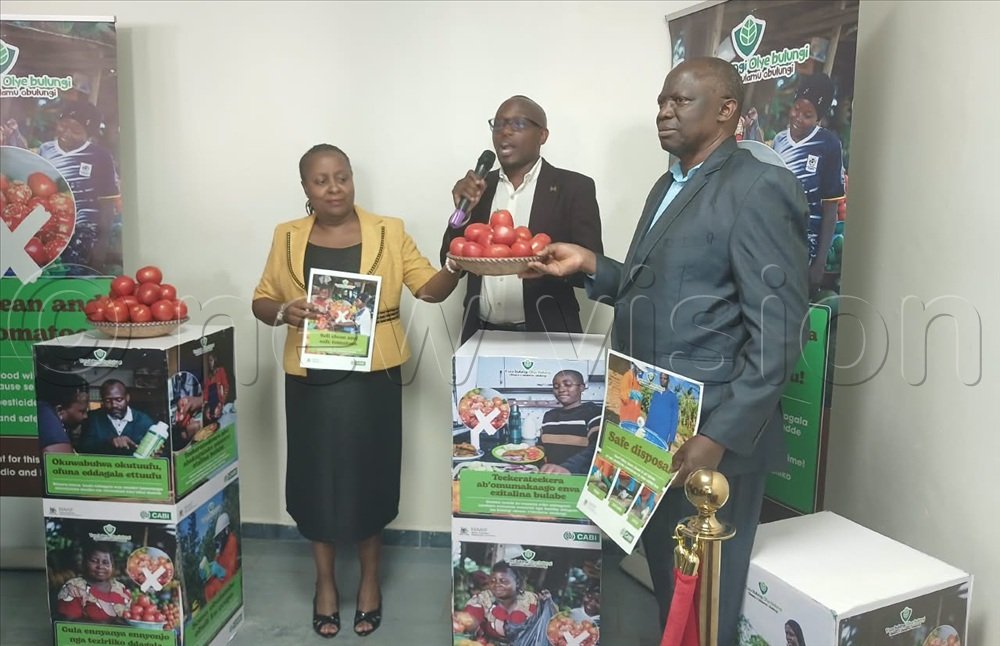
Ugandan health and agricultural authorities have joined forces to tackle a growing concern in the country's food markets: the unsafe application of pesticides on tomatoes. The Centre for Agriculture and Biosciences International (CABI), working alongside the Ministry of Agriculture, Animal Industry and Fisheries (MAAIF), has unveiled a public awareness drive aimed at protecting consumers and vendors alike.
A Joint Effort Across Cities
The initiative, which was officially launched on November 4, 2026, at Hotel Africana in Kampala, brings together several key partners. The Kampala Capital City Authority (KCCA) and Masaka City are collaborating on the project, which will focus on the vendors who sell tomatoes daily in busy urban markets.
At the heart of the campaign is a simple message: safe handling of produce benefits everyone. Vendors will receive training on the dangers of applying chemicals directly to tomatoes, with experts explaining how such practices can harm human health, damage the environment, and ultimately hurt sales.
Local Language, Local Impact
The campaign carries a Luganda slogan, 'Yoza bulungi, Olye bulungi obeere n'obulamu obulungi', which translates roughly to 'Wash well, eat well, and stay healthy'. Organizers say the choice of language is deliberate, ensuring the message resonates with the everyday vendors and shoppers who form the backbone of the local food trade.
Initially, the campaign will be piloted in ten major markets in and around Kampala, as well as four markets in Masaka City. These locations were selected for their high volume of tomato sales and their role as key distribution points in the region.
Why Tomatoes?
Tomatoes are a staple in Ugandan households and a vital source of income for thousands of small-scale traders. However, the pressure to keep produce looking fresh and appealing has led some vendors to misuse pesticides, sometimes applying them shortly before sale. Health experts warn that consuming such produce can lead to serious illnesses, including digestive problems and long-term organ damage.
Beyond health risks, the campaign highlights the environmental toll of careless chemical use. Runoff from treated tomatoes can contaminate soil and water sources, affecting entire communities. Vendors themselves are also at risk, as prolonged exposure to pesticides without proper protection can cause skin and respiratory issues.
What the Campaign Hopes to Achieve
Organizers are optimistic that the pilot phase will yield valuable lessons that can be scaled up nationwide. The campaign will involve market demonstrations, informational sessions, and the distribution of educational materials. Vendors will be encouraged to adopt safer alternatives and to follow proper waiting periods before selling treated produce.
For consumers, the message is equally important: washing tomatoes thoroughly before consumption can significantly reduce the risk of pesticide exposure. The campaign also aims to empower shoppers to ask questions about how their food is handled.
A Step Toward Safer Food Systems
This initiative reflects a broader push in Uganda to strengthen food safety standards and support smallholder farmers and traders. By engaging directly with market vendors, CABI and its partners hope to build trust and foster lasting change in daily practices.
As the campaign rolls out in the coming months, its success will depend on cooperation from all stakeholders, from government agencies to the vendors themselves. If the pilot proves effective, similar programs could soon reach other regions, helping to ensure that the tomatoes on Ugandan plates are both delicious and safe.