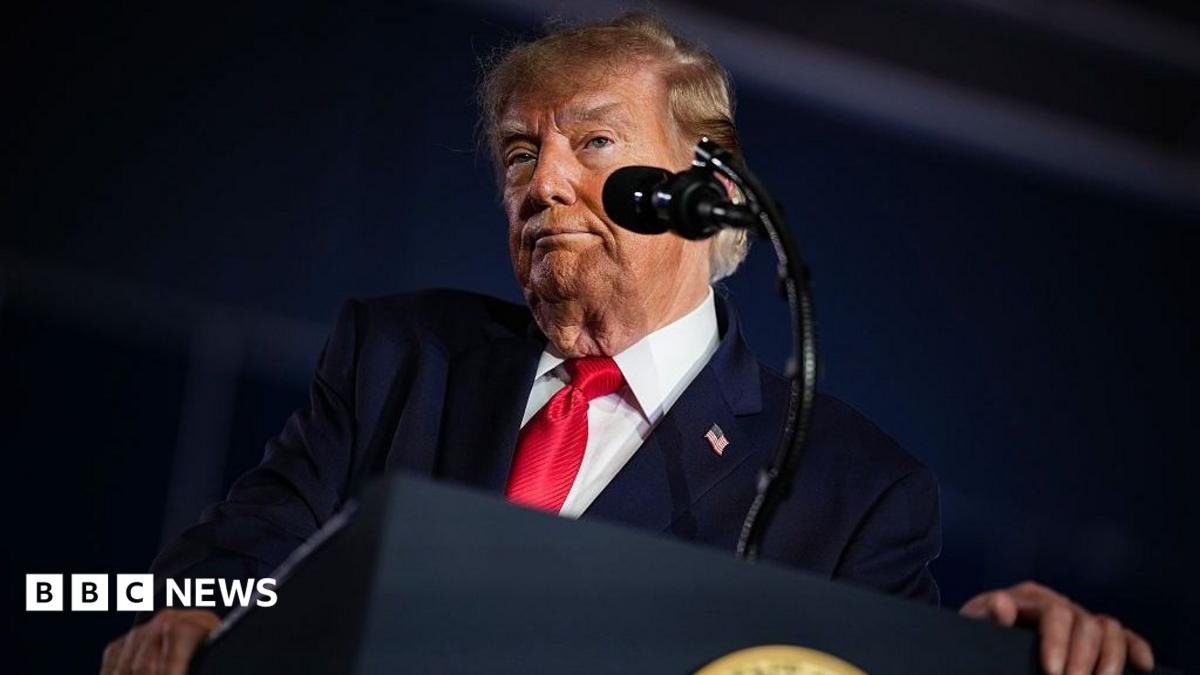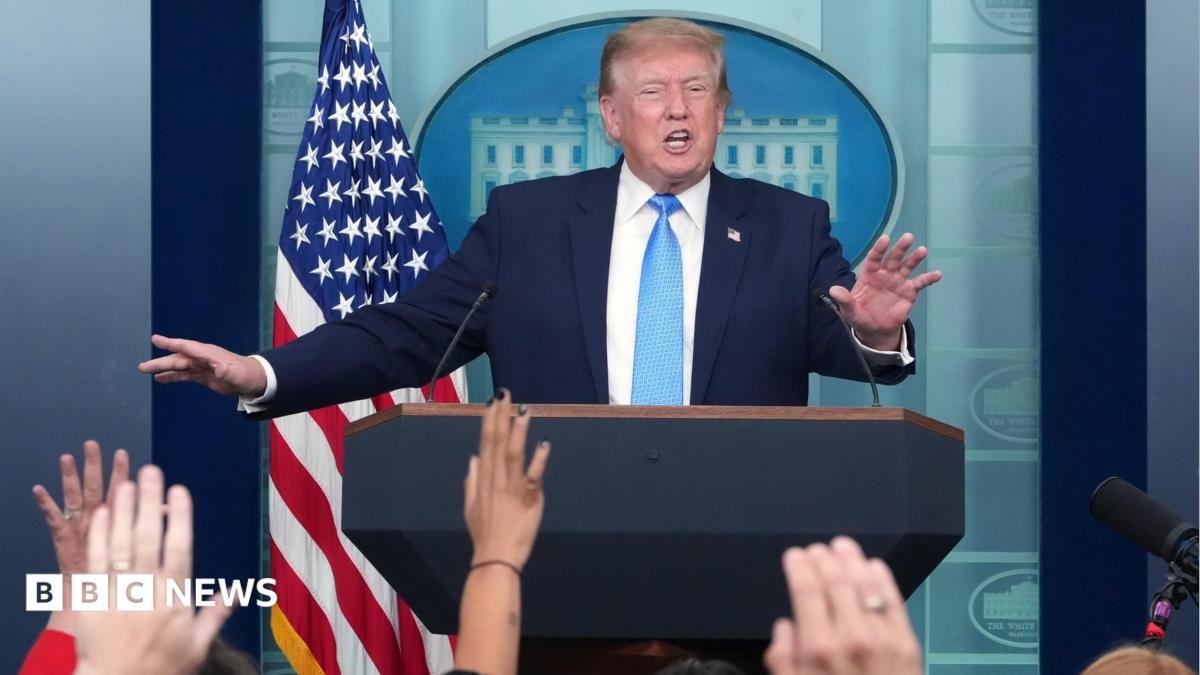
In a striking declaration from the White House briefing room on Monday, US President Donald Trump announced that the war with Iran is "militarily effectively over," citing "positive momentum" in negotiations to bring an end to the Middle East conflict.
"We're just keeping it the status quo," Trump told reporters. "And we're doing that really at the behest of countries that are their neighbours."
The president indicated that further US strikes on Iran are "highly unlikely," but emphasized that American forces remain "locked and loaded" should circumstances change. His comments come amid ongoing indirect talks between Washington and Tehran, mediated by regional partners.
Diplomatic Efforts Intensify
Earlier on Monday, Trump hosted Qatari Prime Minister Sheikh Mohammed bin Abdul Rahman Al Thani in the Oval Office, describing their discussion as an "excellent conversation" focused on ending the war. In a post on X, the Qatari prime minister said he held "positive discussions" with Trump and Vice-President JD Vance on "reaching a deal and bringing peace to the region."
Efforts to broker peace have largely been conducted through intermediaries since the conflict erupted following joint US-Israeli strikes in February. Saudi Arabia, Qatar, and the United Arab Emirates are among the US's Gulf allies that have been targeted by Iranian strikes during the war, leading to significant disruptions in regional air travel.
When asked why he would not officially declare an end to the conflict, Trump pointed to the need to protect Gulf allies from potential Iranian aggression. "We have some great allies there and we have to make sure they're not hurt," he said, adding that the US naval blockade on Iranian ports was contributing to regional security.
Political Fallout and Impeachment Threat
Trump's remarks follow his Republican Party's losses in the midterm elections on 3 November, after which he has signaled a desire to de-escalate. In an interview with 60 Minutes that aired on Sunday, the president said he saw "any reason" to escalate the war.
However, post-election recriminations over the war are mounting. Republican Congressman Thomas Massie launched a scathing attack on Defence Secretary Pete Hegseth on Monday, requesting a House vote to impeach him over his handling of the Iran conflict. Trump has stood by Hegseth, who says he is "not worried" about the impeachment threat, calling Massie's effort a "sham."
While the move is unlikely to succeed with Republicans still controlling both chambers until January, Democrats have expressed willingness to pursue impeachment once the new session begins.
Iranian officials have repeatedly expressed skepticism about Trump's previous comments on resolving the conflict, and it remains to be seen whether the latest diplomatic push will yield a lasting peace.