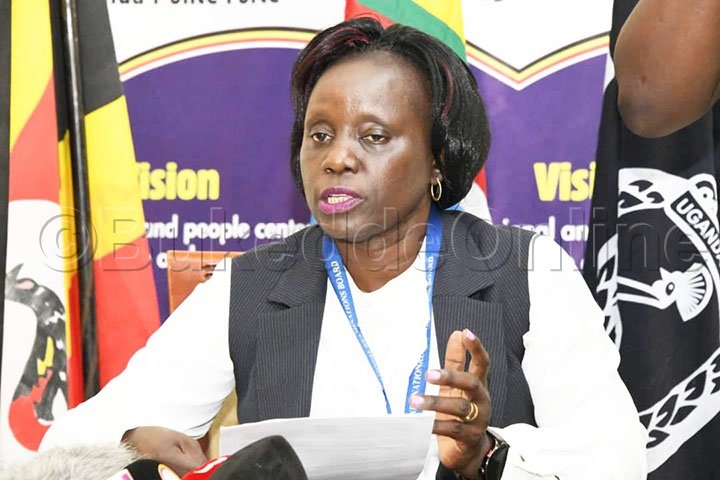
Isaac Ssemakadde, the self-exiled president of the Uganda Law Society (ULS), has petitioned the Buganda Road Chief Magistrate's Court to cancel a warrant of arrest issued against him in March 2025 and to dismiss the criminal proceedings related to insulting former Director of Public Prosecutions (DPP) Jane Frances Abodo. Ssemakadde's legal team argues that the process leading to the warrant and charges has been declared unconstitutional.
Legal Challenge Mounts
In a letter dated November 11, 2026, Ssemakadde's lawyers from Mukiibi and Kyeyune Advocates requested Chief Magistrate Ritah Neumbe Kidasa to set aside the warrant and discharge him. The warrant, issued on March 19, 2025, by Kidasa's predecessor, Ronald Kayizzi, directed police and Interpol to arrest Ssemakadde on sight. The application follows a recent Constitutional Court judgment in the consolidated petitions of Steven Kalali and others versus the Attorney General, which declared sections 42(1)(c), (2), (3), (4), (5) and (6) of the Magistrate's Courts Act inconsistent with Articles 2, 28(1), 126(b) and 128 of the Constitution.
Constitutional Court Ruling
The Constitutional Court's decision last week has significant implications for Ssemakadde's case. The court found that the provisions under which the warrant was issued violate constitutional guarantees of fair hearing and the independence of the judiciary. This ruling has emboldened Ssemakadde's legal team, who now argue that the warrant and subsequent charges are null and void.
The warrant was issued after Ssemakadde allegedly insulted former DPP Jane Frances Abodo, a charge that has been criticized as politically motivated. Ssemakadde, who has been in self-exile, has consistently maintained his innocence, claiming that the charges are an attempt to silence him.
Implications for the Rule of Law
This case underscores the ongoing tension between the judiciary and the executive in Uganda. The Constitutional Court's ruling has been hailed by civil society organizations as a victory for the rule of law and a step towards upholding constitutionalism. However, it remains to be seen how the Buganda Road Chief Magistrate's Court will respond to Ssemakadde's application.
The Uganda Law Society has been at the forefront of advocating for judicial independence and the protection of human rights. Ssemakadde's case is seen as a test of the judiciary's willingness to uphold the Constitution and resist political interference.
Next Steps
The Chief Magistrate is expected to rule on the application in the coming weeks. If the warrant is quashed and the charges dropped, it would mark a significant victory for Ssemakadde and his supporters. On the other hand, if the court refuses, Ssemakadde may face further legal battles, potentially escalating the conflict between the ULS and the government.
As the legal drama unfolds, all eyes are on the Buganda Road Chief Magistrate's Court to see whether it will uphold the Constitutional Court's ruling and protect the rights of the accused.