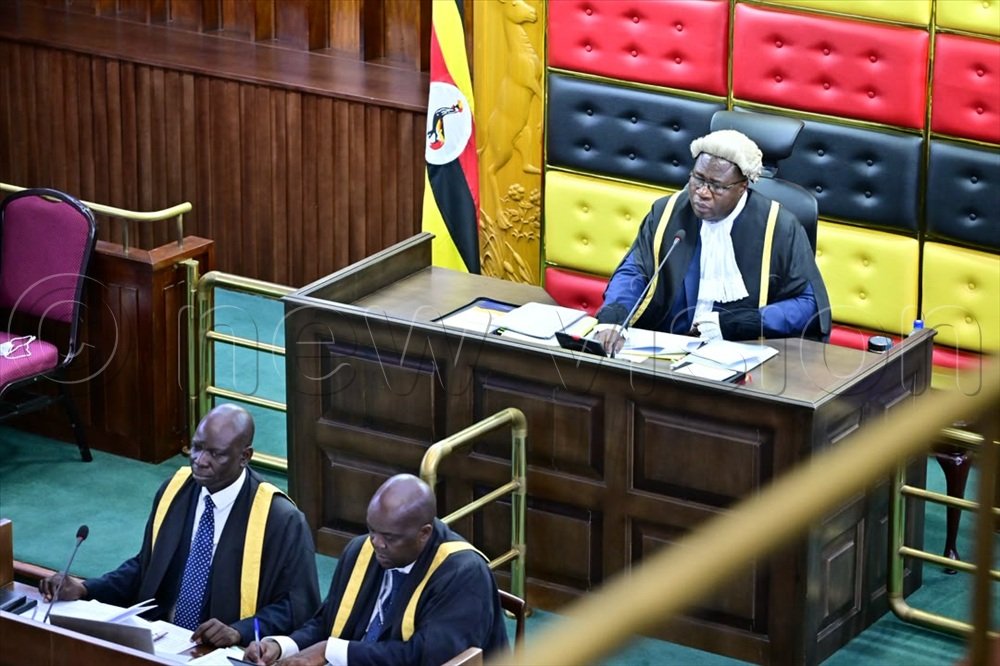
In a decisive move to address the sluggish progress of Uganda's rural electrification efforts, Speaker Jacob Marksons Oboth has summoned the Minister of Energy and Mineral Development, Sidronius Okasai, to explain the delayed disbursement of funds under the Electricity Access Scale-up Project (EASP). The summons was issued during a plenary session on Tuesday, November 10, following a heated debate on a report by the Committee on Environment and Natural Resources, chaired by Dan Kimosho (Kazo County, NRM).
Concerns Over Power Blackouts and Project Performance
The report, tabled last week, highlighted frequent power outages across the country and raised alarm over the slow absorption of the World Bank loan financing the EASP. Speaker Oboth demanded answers on the project's performance, noting that only 25% of the funds have been disbursed five years into implementation, with the project nearing its expiration. "Honorable minister, tell us the performance of the World Bank loan of the Electricity Access Scale-up Project (EASP). Where the Government of Uganda in five years has got 25% disbursement and it is expiring soon. I have summoned you with them," Oboth ordered.
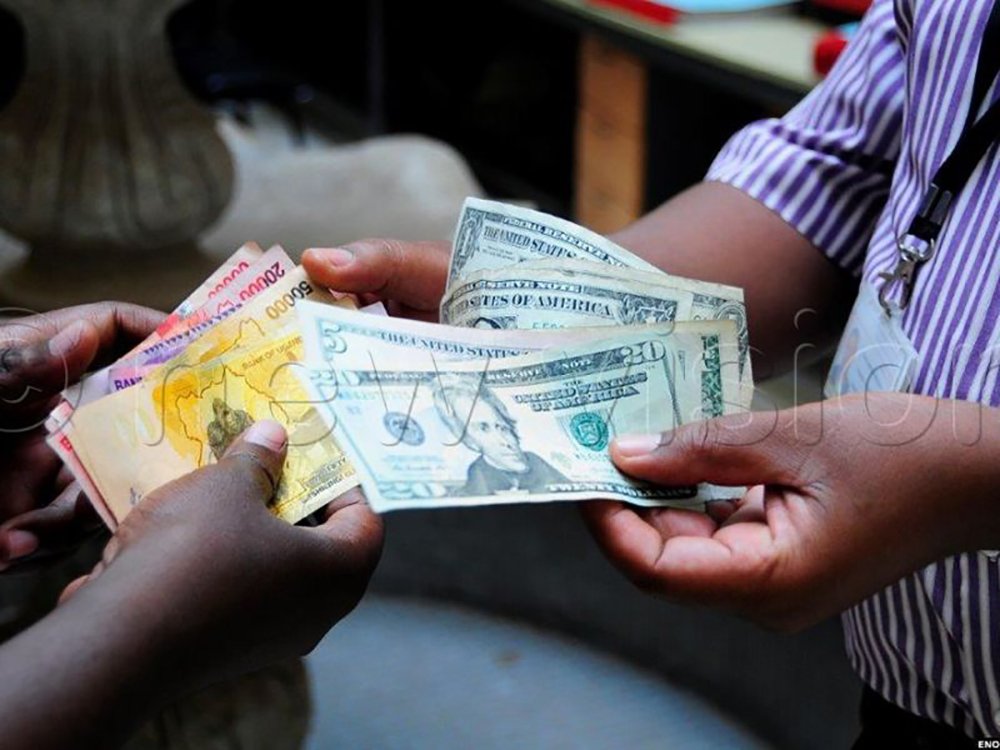
The EASP, which commenced in July 2023, is funded by the World Bank's International Development Association (IDA) with a commitment of $608 million (Sh2.601 trillion). The Government of Uganda and the private sector are expected to contribute $10 million (Sh42.78 billion) and $20 million (Sh85.57 billion), respectively. Official reports indicate that $190 million (Sh813.88 billion) has been disbursed, while $119 million (Sh509.12 billion) has been utilized. Key components of the project include expanding the electricity grid and increasing last-mile connections.
Lawmakers Demand Transparency and Accountability
During a recent interface between the National Economy Committee, chaired by Jane Avur Pachuto (Pakwach Woman MP, NRM), and State Minister for Minerals Phiona Nyamutoro, lawmakers expressed frustration over the project's slow pace. They learned that although the project targeted 1,073,500 new connections, only 290,000 have been achieved, with 155,000 connections made before UMEME exited the electricity distribution business.
Mary Paula Turyahikayo (Rukungiri District Woman MP, NRM) voiced her constituents' concerns: "I would also like to see which particular districts and how many people have been connected and the number of kilometers of grid extension has been done in those respective districts. Because in Rukungiri district, which I represent, there is hardly anything on the ground honorable minister."
Echoing her sentiments, Cohen Amanya (Igara West, NRM) added, "In my constituency, I have never seen anyone connecting, including the contractors. We don't know where they have been connecting and that is why we are insisting that give us this information. Such that we are able to internalize because if the total disbursement and absorption is $190 million and $119 million, we would be eager to know where this money was spent."
Committee Orders Detailed Breakdown
In response to these concerns, National Economy Committee chairperson Pachuto directed the government to submit a detailed breakdown of EASP beneficiaries within three days. "Let's have it (report) by Friday (November 6). Out of the 290,000 connections we want to know, by region, by district and the next interventions that the ministry is going to do, given that this project ends next year," Pachuto ruled.
The summons and the committee's directive underscore growing parliamentary pressure on the government to accelerate rural electrification and ensure transparency in the use of public funds. With the project set to end next year, lawmakers are determined to hold the ministry accountable for delivering on its promises to improve electricity access across Uganda.