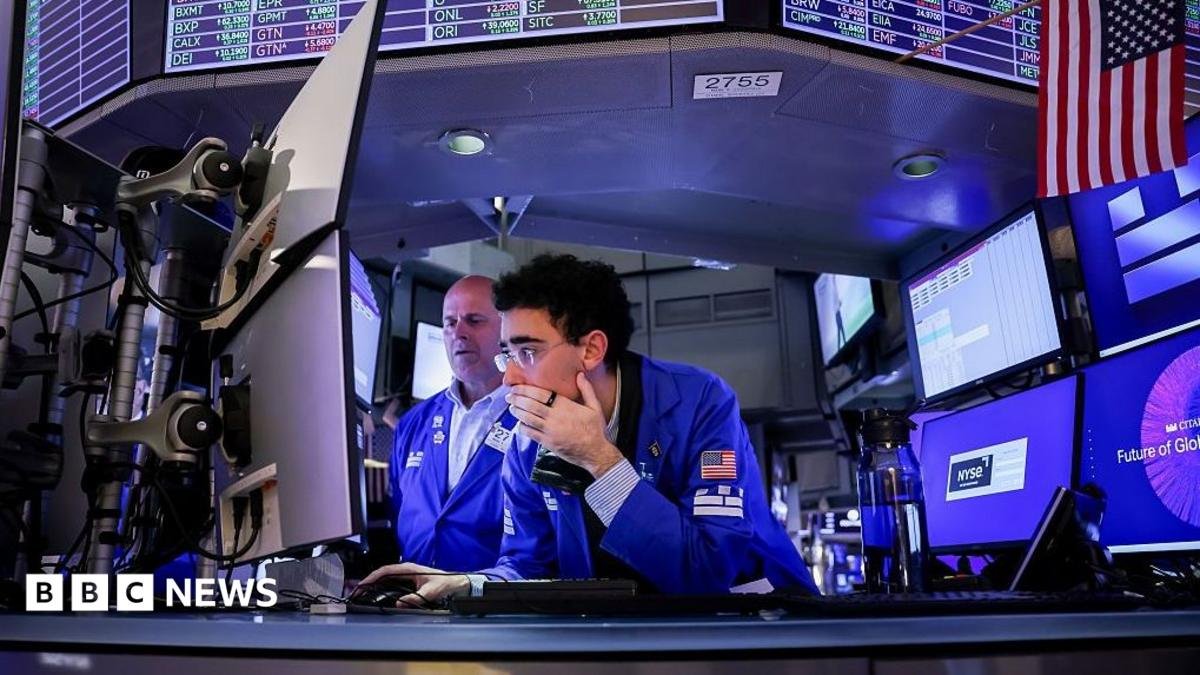
In a dramatic turn of events on Wall Street, shares in Elon Musk's SpaceX took a sharp dive, plummeting over 9% by midday Thursday, as technology and artificial intelligence stocks broadly tumbled following the Democrats' sweeping victory in the midterm elections. The sell-off dragged the tech-heavy Nasdaq Composite index down by more than 5% in early trading, rattling investors and sending shockwaves through global markets.
Market Reacts to Potential Regulatory Scrutiny
The market turmoil comes amid growing concerns that the Democratic wins in key states, including Texas, could lead to tougher scrutiny of data center construction and the AI industry. Texas, traditionally a Republican stronghold, turned blue in what some are calling a Democratic tsunami on Tuesday night. The state's governor-elect, Gina Hinojosa, campaigned heavily against data centers, pledging a moratorium on new construction in the sector. This shift in political landscape has investors worried about the future of AI infrastructure and the vast sums poured into it.
SpaceX shares were down more than 9% by lunchtime Thursday, while Tesla shares dropped over 11%. Musk had spent nearly $450 million backing Republican campaigns, including at least $45 million in support of Ken Paxton for the Texas senate seat. However, his investments did not yield the desired results as Texas flipped blue.
The ripple effects were felt across the tech sector. Chipmakers suffered significant losses: AMD dropped more than 14%, Micron shares fell as much as 17% before recovering slightly, Intel was down over 7%, and Nvidia fell nearly 9%. The Philadelphia Semiconductor Index plummeted by 10%. The broader S&P 500 index also took a hit, dropping 3.8% by lunchtime.
Tech Leaders Acknowledge Communication Gaps
Susannah Streeter, chief investment strategist at Wealth Club, described the situation as a fresh panic over the AI trade hitting Wall Street hard. "Fears that the vast sums poured into AI infrastructure may not deliver the returns investors have been banking on are now colliding with the prospect of a sharp slowdown in data center construction," she said. The steep sell-off on the Nasdaq and S&P 500 is sending shockwaves into other markets, she added.
Some tech leaders have admitted they were caught off guard by the backlash against data centers during the midterms. OpenAI president and co-founder Greg Brockman, speaking at the WSJ Tech conference in Napa, California, on Wednesday evening, said, "A lot of our shift over the course of this year has really been to realize that from San Francisco trying to build infrastructure in Texas, Georgia, and other places, you can't just tweet and say: 'This is going to be good.' You need to be in those communities."
Meta's president, Dina Powell McCormick, agreed that the industry needs to improve its communication about the benefits of AI. "I think we need to double and triple down on telling the story," she told the conference. The acknowledgment highlights a growing awareness that tech companies must engage more directly with local communities to gain support for their projects.
Bubble Fears and Broader Market Impact
Beyond the immediate political fallout, some investors are increasingly concerned that AI shares could be in a bubble due for correction. The massive investments in AI infrastructure have raised questions about whether the returns will materialize, especially if regulatory hurdles slow down data center construction. The midterm results have exacerbated these fears, leading to a broad sell-off in tech stocks.
The market reaction underscores the intertwining of politics and technology, as policy shifts can quickly impact investor confidence. With Democrats now holding more power, the tech industry may face a more challenging regulatory environment, particularly regarding data centers and AI development. As the dust settles, all eyes will be on how companies adapt to this new reality and whether the AI boom can sustain its momentum.
For now, the sharp declines serve as a stark reminder of the volatility inherent in the tech sector and the far-reaching consequences of political change. As Wall Street digests the midterm outcomes, the coming days will reveal whether this is a temporary setback or the beginning of a deeper correction.