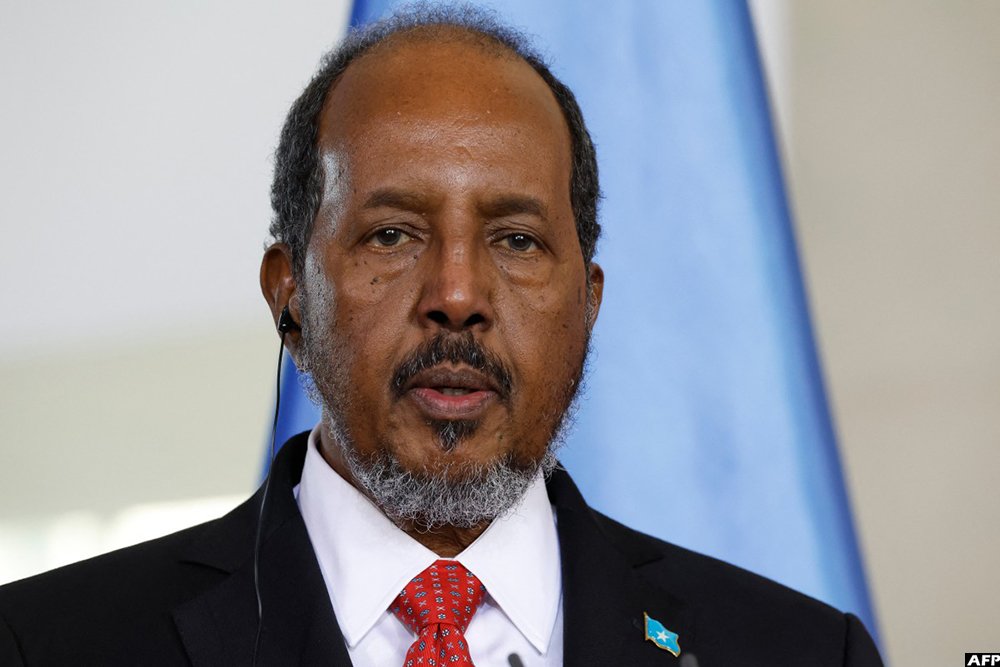
Somalia's highest judicial authority has delivered a landmark ruling, declaring that the one-year extension of the president's mandate was unconstitutional. The Supreme Court's decision on Thursday directly challenges a move that had already ignited deadly confrontations between government forces and opposition groups.
A Contested Mandate
President Hassan Sheikh Mohamud's original term concluded in May. Rather than stepping down, his administration announced what it described as a transition period, effectively granting him an additional twelve months in office. Officials argued the extension was necessary to lay the groundwork for the country's first nationwide democratic elections, which are now scheduled for April and May 2027.
The court's verdict, however, has undercut the legal foundation of that arrangement, placing the government in a precarious position as it navigates both political opposition and security challenges.
Clashes and Consequences
The term extension had become a flashpoint in Somali politics, with opposition factions accusing the president of overstaying his welcome and undermining democratic processes. The dispute escalated into violent clashes, raising fears about stability in a nation already grappling with insurgency and humanitarian pressures.
The Supreme Court's ruling is likely to intensify calls from opposition leaders and civil society groups for a revised political roadmap. It also raises questions about how the government will manage the transition period in light of the judicial rebuke.
What Comes Next
Analysts suggest the ruling could force the administration to renegotiate the terms of the transition or accelerate preparations for elections. The international community, which has closely monitored Somalia's political trajectory, may also weigh in on the need for an inclusive and lawful process.
For now, the Supreme Court's decision stands as a powerful assertion of judicial independence and a reminder that no institution is above the law. Whether it translates into a more stable and democratic path forward remains to be seen.