Russia's most prominent independent newspaper has ceased operations after being forced out of its offices, marking the end of a three-decade run that exposed corruption, documented human rights abuses, and challenged abuses of power in the country.
A Final Editorial Meeting
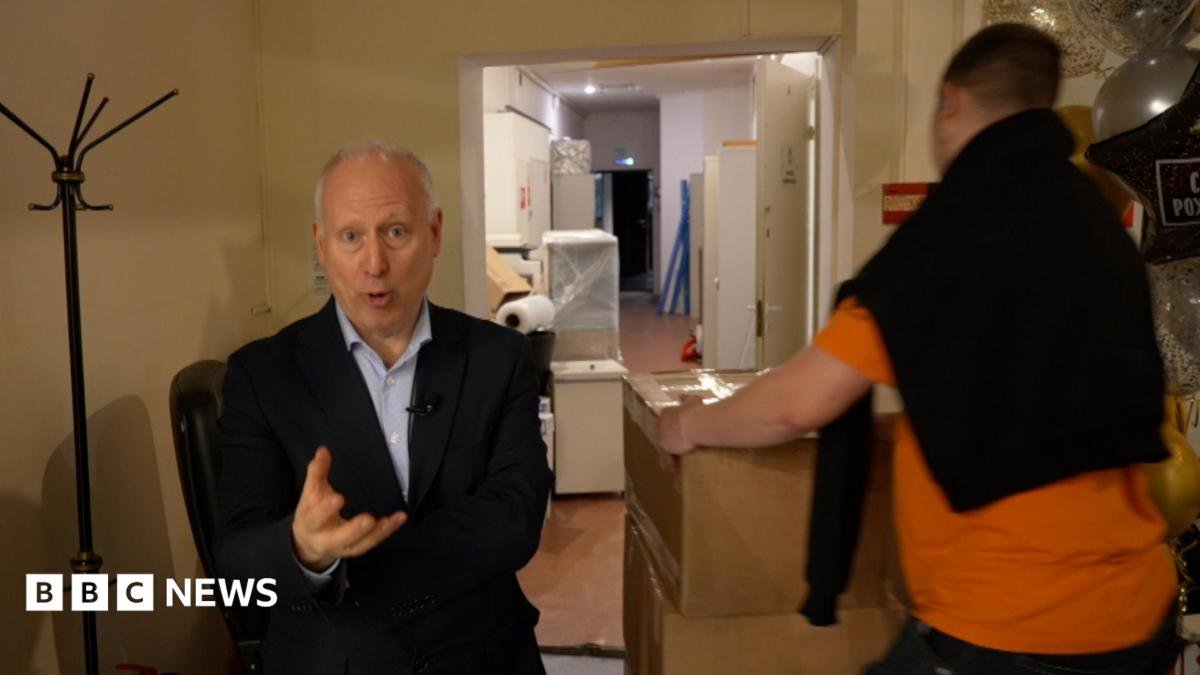
On Monday, the staff of Novaya Gazeta gathered for one last editorial meeting before clearing out their desks and leaving the newsroom that had become a symbol of fearless journalism in Russia. The closure follows an eviction from their premises and mounting pressure from authorities.
The newspaper, which has long been a rare voice of dissent in a media landscape dominated by state-aligned outlets, published investigations that often placed its journalists at considerable personal risk. Its reporters have faced threats, harassment, and in some cases violence for their work.
Kremlin Dismisses Concerns
Kremlin spokesman Dmitry Peskov downplayed the significance of the closure, telling reporters that Russia's media environment is highly diverse and describing the newspaper's shutdown as part of what he called "a standard rotational process." The characterization drew skepticism from press freedom advocates who view the closure as part of a broader pattern of silencing independent voices.
The BBC spoke with Dmitry Muratov, a co-founder of the publication and a Nobel Peace Prize laureate, about the circumstances surrounding the closure. Muratov, who has dedicated much of his life to independent journalism in Russia, has previously spoken about the dangers facing reporters in the country.
A Legacy of Investigation
Over its 30-year history, Novaya Gazeta built a reputation for tackling stories that other outlets avoided. Its pages carried investigations into official corruption, human rights violations, and the abuse of power at the highest levels of government and business.
The newspaper's journalists have paid a heavy price for their commitment to reporting. Several staff members have been killed in connection with their work, making the publication one of the most dangerous places to practice journalism in Russia.
The closure of Novaya Gazeta represents a significant blow to media pluralism in Russia. Press freedom organizations have consistently ranked the country poorly in terms of journalistic independence, and the loss of one of its few remaining independent outlets is likely to draw international criticism.
For the team that produced the newspaper for three decades, Monday's final meeting was a moment of both sadness and defiance. The staff packed their belongings and departed, leaving behind an empty newsroom but a substantial legacy of investigative reporting that continues to resonate.
The closure raises broader questions about the future of independent journalism in Russia and the ability of reporters to hold power accountable in an increasingly restricted media environment.