As Nigeria moves closer to its upcoming elections, the spotlight often falls on the rallies and airwaves. Yet, behind the scenes, a different kind of power struggle is unfolding, driven by the country's influential 'godfathers' - a cadre of kingmakers who wield significant control over the political landscape.
The Power Behind the Throne
These godfathers, many of whom are current or former politicians, operate as de facto governors, shaping public contracts, diverting funds, and determining who gets appointed to key government positions. According to legal activist Henry Ekine from Rivers State, a hotspot for this shadow governance, 'They aren't just supporting or sponsoring someone, which would have been legitimate. But it's positioning yourself in ultimate control.'
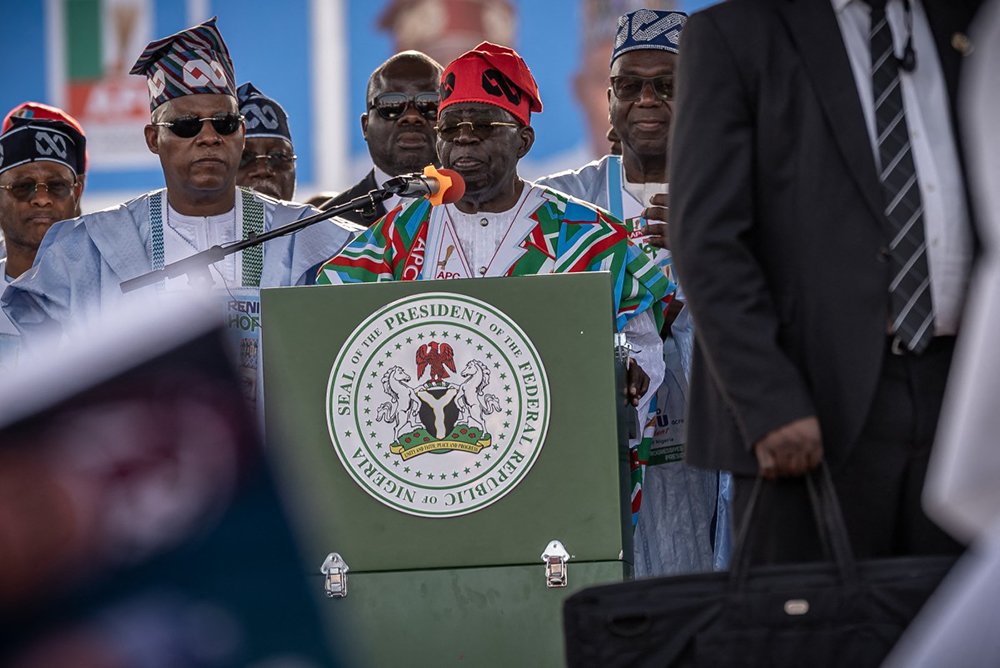
President Bola Tinubu, who is seeking re-election, is himself referred to as the 'godfather of Lagos,' highlighting how deeply this system is entrenched, reaching the highest levels of power. Critics argue that this culture of patronage, where politicians owe loyalty to their backers, prioritizes elite interests over the welfare of ordinary citizens.
Rivers State: A Case Study in Godfather Politics
The oil-rich Rivers State has been embroiled in a political crisis, reportedly stemming from a dispute between the governor and his godfather. With the fifth-highest number of registered voters, Rivers is a crucial battleground, and President Tinubu is scheduled to hold a rally there on Saturday.
The influence of godfathers extends beyond domestic politics. The existence of an FBI dossier on Tinubu over alleged links to a drug trafficking network has raised questions internationally about Washington's influence over the 74-year-old leader. Tinubu has denied any wrongdoing in the decades-old case.
A System That Undermines Democracy
The godfather phenomenon is not unique to Nigeria, but its pervasive nature in the country's politics has bred a system where elected officials often serve the interests of their patrons rather than the public. This dynamic has led to a focus on political maneuvering and backstabbing at the expense of addressing pressing issues like poverty, corruption, and underdevelopment.
As the elections approach, the role of these unelected kingmakers will be critical in determining the outcome. While they operate largely out of sight, their influence will be felt in every corner of the political arena, from the selection of candidates to the allocation of resources.
For many Nigerians, the hope is that the coming elections will mark a shift away from this shadow governance and towards a more transparent and accountable system. But with godfathers still pulling the strings, that hope may remain elusive.