In a groundbreaking move set to transform early cancer detection, new blood tests capable of screening for multiple cancers simultaneously will be introduced in approximately 200 GP surgeries across England. The initiative, part of a government-funded trial, aims to catch hard-to-diagnose abdominal cancers, such as liver, ovarian, and pancreatic cancer, at a much earlier stage when treatment is more likely to succeed.
Detecting the Undetectable
These innovative tests work by identifying specific proteins or fragments of DNA in the blood that may indicate the presence of cancer. By analyzing these biomarkers, doctors can more effectively determine which patients with vague, non-specific symptoms require further investigation. This is particularly crucial for abdominal cancers, which often remain silent until they have already spread, making them notoriously difficult to diagnose early.
The trial, led by the University of Birmingham and backed by government funding, will recruit over 20,000 patients aged 45 and above who are experiencing symptoms such as persistent bloating or abdominal pain. The primary goal is to evaluate whether these tests are accurate enough for widespread use within the NHS.
A New Frontier in Cancer Screening
While the concept of a multi-cancer blood test is not entirely new, this trial represents a significant step forward. A previous NHS trial of a similar test called Galleri did not achieve its main objective of reducing late-stage cancer diagnoses, but researchers continue to explore its potential benefits. The new STRIDE-RCT trial focuses on a range of cancers, including bowel, stomach, oesophageal, pancreatic, liver, bile duct, gallbladder, ovarian, endometrial, kidney, bladder, and prostate cancer.
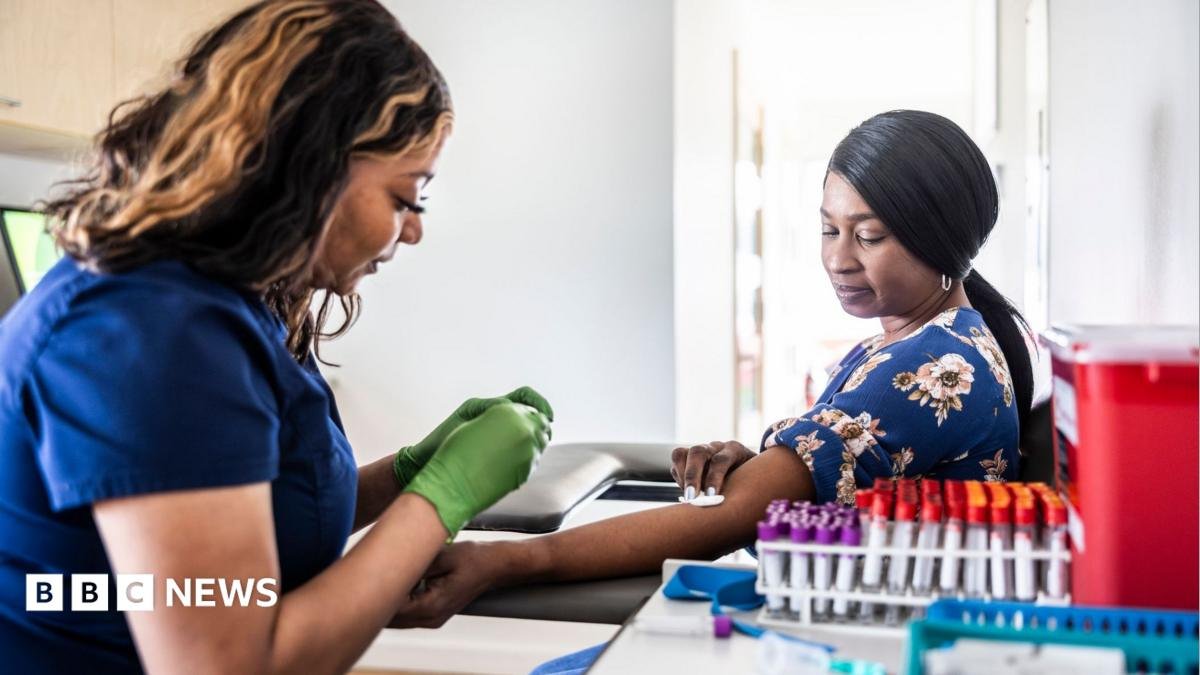
Participants will provide one or two blood samples at their GP practice, alongside routine tests. Scientists will then analyze these samples for cancer signals and, if detected, may be able to identify the tumor's location within the body. However, it is important to note that a positive result does not guarantee cancer, and a negative result does not provide a definitive all-clear.
Hope for Earlier Diagnosis
Health Secretary Yvette Cooper expressed optimism about the trial, stating that simple blood tests like these could help identify patients needing urgent investigation much sooner. Early detection is critical, as it significantly improves the chances of successful treatment and survival.
Each year in England, around 71,000 people are diagnosed with pancreatic, stomach, liver, ovarian, or bowel cancer, and nearly 35,000 die from these diseases. The ability to detect these cancers earlier could save thousands of lives.
Professor Peter Johnson, NHS England's national clinical director for cancer, highlighted the difficulty of diagnosing abdominal cancers early, as symptoms can easily be mistaken for other, less serious conditions. He emphasized that earlier diagnosis gives patients a much better chance of successful treatment and survival.
Michelle Mitchell from Cancer Research UK welcomed the trial, saying: "GPs have long needed better tools to help them navigate that uncertainty by identifying which patients require further testing and this trial in England is an important step towards addressing that need."
As the trial progresses, it holds the promise of revolutionizing cancer diagnosis and improving outcomes for countless patients. The integration of such tests into routine primary care could mark a new era in the fight against cancer.