Uganda's Science, Technology and Innovation Minister, Eng. Jonard Asiimwe Akiiki, has issued a firm warning to researchers and innovators across the country, cautioning them against diverting government research grants toward activities unrelated to their approved projects. The minister stressed that public funds must yield tangible innovations and products capable of addressing pressing societal challenges.
Concerns Over Misallocated Funds
According to Asiimwe, a number of researchers and innovators who received billions of shillings under the Science, Technology and Innovation (STI) research support programme have been channeling the money into administrative costs, fuel and other expenses rather than prioritizing the research for which the grants were intended. He made it clear that the government expects recipients to use the funding to develop practical solutions that can be turned into marketable products and contribute meaningfully to national development.
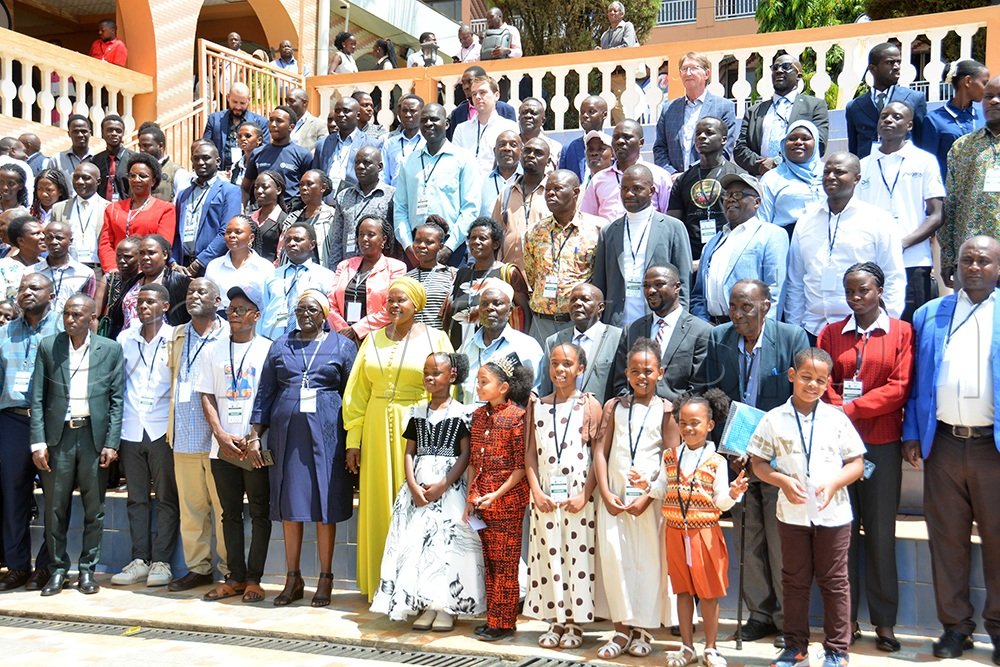
The minister made these remarks on November 6, 2026, during a meeting with Gulu University management, researchers and young innovators. The gathering was aimed at assessing ongoing research projects and exploring ways to support their transition from research to commercialization.
Gulu University Visit
During the visit, the STI Secretariat toured various faculties at the university to evaluate innovations and research projects being undertaken by students and academic staff. The tour provided an opportunity for the ministry to take stock of progress and identify areas where additional support may be needed.
Herbal Medicine Research Draws Attention
One project that particularly impressed the minister was research led by Dr Alice Veronica Lamwaka, who is investigating the potential of locally sourced herbal medicines as an alternative treatment for sickle cell disease. Asiimwe engaged Lamwaka on the progress of her work and the kind of support required to advance the project.
Lamwaka explained that the research had reached a stage where clinical trials were necessary, but the team lacked the financial resources to carry them out. Her disclosure underscores the broader challenge facing many researchers who develop promising ideas but struggle to secure funding for the critical next steps.
Government's Expectations
The minister's warning and his visit to Gulu University reflect a growing emphasis on accountability and results within Uganda's research sector. The government has invested heavily in STI programmes, and there is mounting pressure to ensure that those investments translate into concrete benefits for society. Asiimwe's message was clear: researchers must remain focused on the projects for which they received funding, and the funds must be used to deliver innovations that can be commercialized and scaled up.
As Uganda continues to position itself as a hub for science and technology, the balance between supporting researchers and ensuring responsible use of public resources remains a key concern. The ministry's visit to Gulu University signals its intention to monitor progress closely and to support projects with real potential, such as Dr Lamwaka's herbal medicine research, which could offer a locally sourced solution to a debilitating disease.