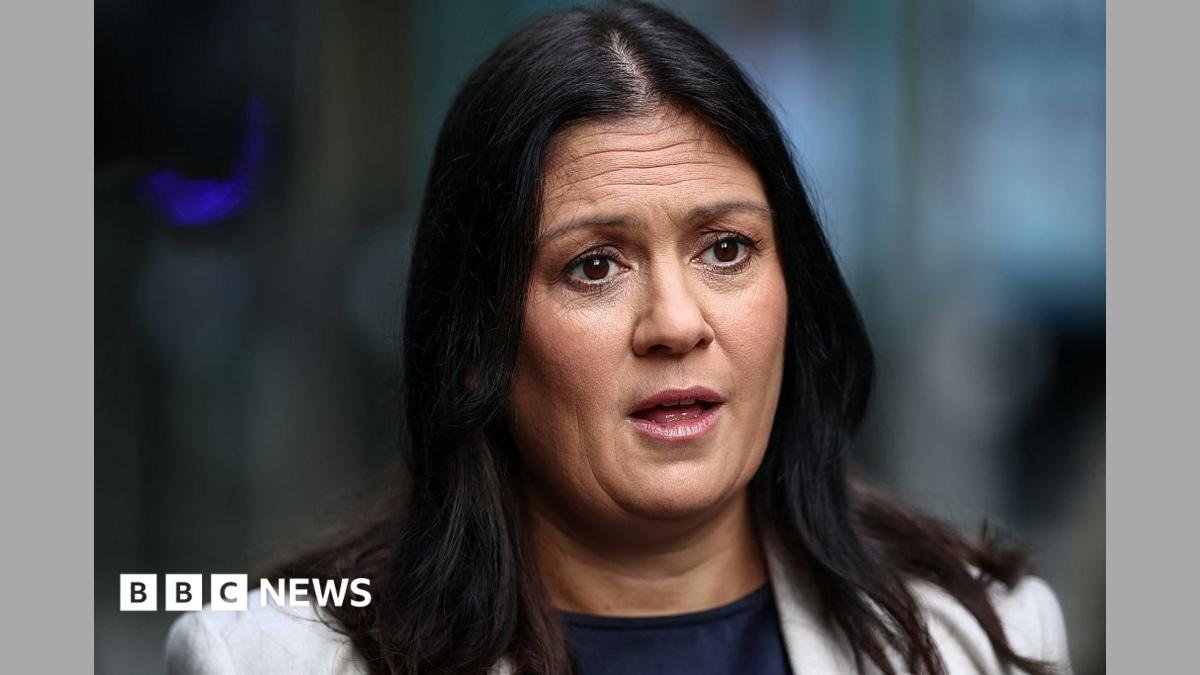
Britain's culture secretary has issued a stark warning that sexual abuse within the media industry is likely still occurring, arguing that organisations are failing to adequately protect women. Lisa Nandy made the comments in the wake of comedian and broadcaster Russell Brand's conviction for rape and sexual assault, stating that she could not assure the public such behaviour has been eradicated.
A Blunt Admission
Speaking to the BBC's Sunday with Laura Kuenssberg programme, Nandy was direct about her concerns. She said she could not claim with confidence that abuse is a thing of the past, adding that if forced to guess, she would say it continues today. The minister revealed that since taking office, numerous individuals from within the industry have approached her privately to allege that they have experienced similar mistreatment.
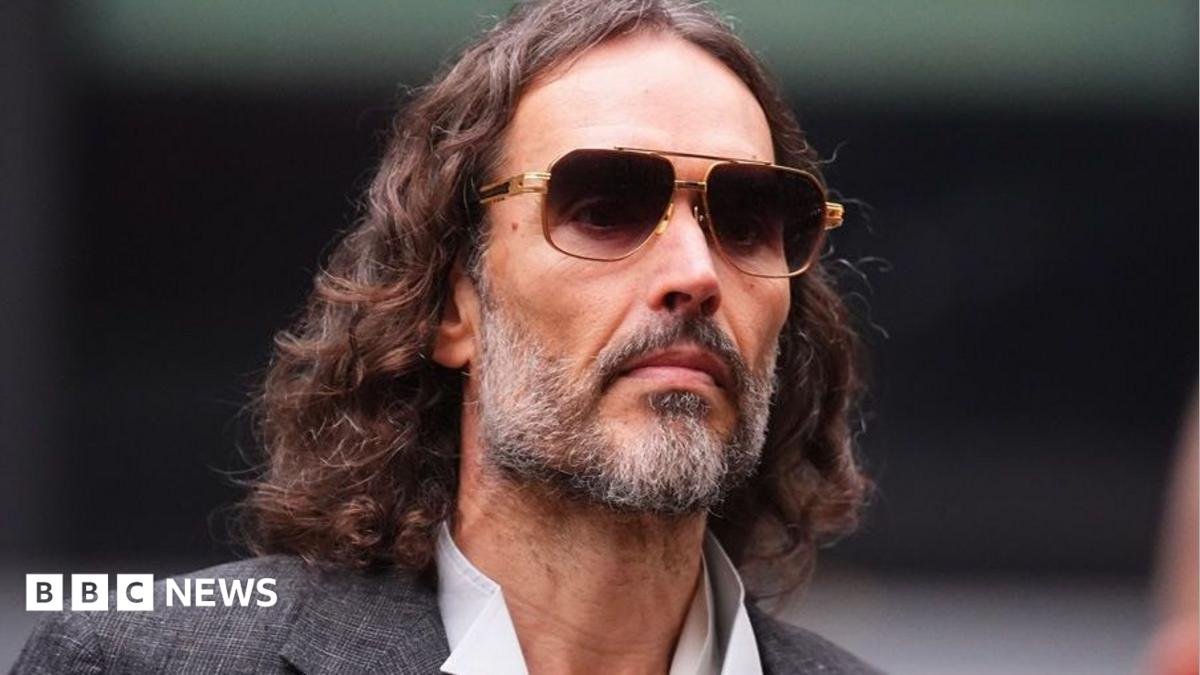
Her remarks followed a four-week trial in which Brand was found guilty of one count of rape and three counts of sexual assault. The allegations against him came from multiple women and covered a period stretching from 1999 to 2009, with accusers describing how he leveraged his celebrity status to coerce them into sexual activity.
Institutional Failures Persist
Nandy expressed doubt that meaningful progress has been made in how media organisations and other institutions, including politics, respond to women who courageously report abuse. She highlighted the absence of proper safeguards and the severe personal consequences women often face for speaking out, pointing to entrenched power imbalances and the precarious nature of short-term contracts that leave many staff members vulnerable.
Her message to the industry was unambiguous: the time for complacency has passed and the sector must treat these matters with the seriousness they demand. She noted that many of those who have come forward work within the industry, including at the BBC.
However, she also acknowledged that the broadcaster had set a positive example by becoming a signatory to the Creative Industries Independent Standards Authority, a body designed to protect whistleblowers. She encouraged other organisations to follow that lead.
Industry Responds
In the aftermath of the conviction, a BBC spokesperson insisted there can be no tolerance for the abuse of power, stressing that the entire industry must collaborate to ensure victims feel safe reporting mistreatment and that their concerns are handled seriously. The corporation reiterated an apology to staff who felt unable to raise concerns about Brand's conduct during his time there between 2006 and 2008, when he was regarded as too influential to challenge.
Channel 4, which broadcast Big Brother and its companion shows while Brand was a presenter, said it recognised the deep and lasting impact of these crimes. The case has reignited a broader conversation about how lad culture in the 2000s allowed powerful figures to operate without scrutiny, and whether the institutions that platformed them have genuinely reformed.