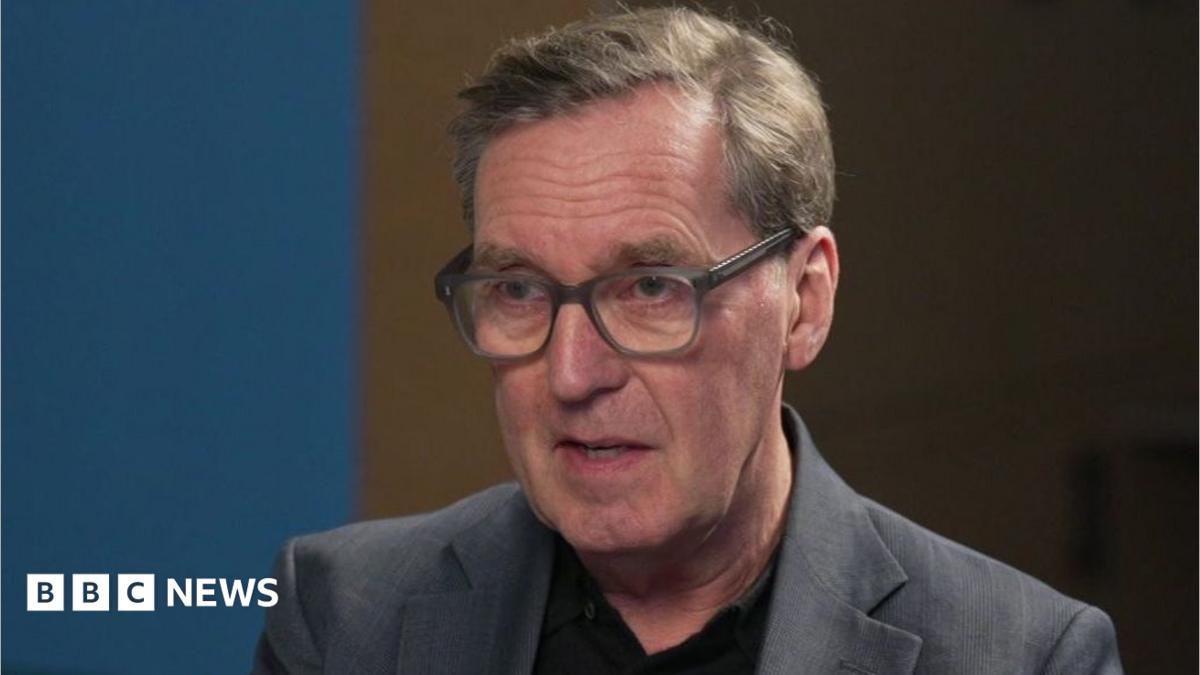
Young people in the UK should have a legal guarantee to a job, training or employment support, according to Alan Milburn, the author of a major review on youth unemployment. In an interview with the BBC, Milburn, a former Labour minister, outlined his proposals to radically reform welfare and support for young people, which will be fully unveiled on Tuesday.
A Radical Shift in Spending
Milburn is calling for a fundamental change in how the government allocates funds, moving away from benefits for young people towards measures that help them into work. He points out that spending on benefits for young people is currently 25 times higher than spending on employment support, and he believes this ratio should be shifted to two to one.
"The pendulum's swung far too far from the one to the other - £25 to one, and we can take everything to £2 to one," Milburn said. "To do that, we've got to invest less in benefits, so we've got to be paying out less in benefits."
This would mean significant cuts to benefit spending and a substantial increase in taxpayer funding for training, education or other forms of support. Milburn acknowledges that some young people could lose out on benefits, but argues the system should focus on helping people into work rather than keeping them dependent on welfare.
The 'Opportunity Guarantee'
Milburn's other major proposal is what he calls an "opportunity guarantee" for young people. This would place a legal duty on the government to ensure that young people have access to a route into employment.
"It should be a guarantee for a young person. Because at the moment the only guarantee they've got is a very simple thing. To get a benefit. What sort of life is that?" he said.
The guarantee might work similarly to the way councils have a legal responsibility to offer homeless people accommodation or advice, or accommodate children in care. Milburn argues that previous employment schemes have been temporary and that a permanent legal entitlement is needed to tackle the long-running problem of young people not in education, employment or training (Neet).
According to the latest data from the Office for National Statistics, almost one million young people in the UK are Neet.
Government Response
The government is expected to broadly welcome the proposals, which will be published in full on Tuesday, with a statement in Parliament and draft laws early next year. Prime Minister Andy Burnham has described Milburn's forthcoming report as a "watershed moment," but stopped short of committing to implementing its recommendations in full.
Burnham also insisted that paying for the reforms would not mean "more money" but "spending differently" in government when pressed on the large upfront investment they are expected to require. Asked whether he would accept the politically sensitive report in full, Burnham declined to provide that "blanket assurance".
Speaking to reporters in a trip to Dublin on Thursday, he said: "We will have to wait until the report is published. It's a wide-ranging report, and obviously we'll set out our response next week. But I think it's really important to see the report as quite a watershed moment I think in terms of how we think about supporting young people and supporting young people into work."
Political Reactions
Conservative Party leader Kemi Badenoch has previously said the government should not be spending "lots of time" on employment schemes, which she said would ultimately fail. Her party and Reform UK have argued for significant cuts to welfare, including to fund a boost to defence.
Reform economy spokesman Robert Jenrick said: "This review is pointless unless we get action from Burnham straight away. It cannot be right that this continues for another 10 years before the youth benefits bill comes down."
The Liberal Democrats want the government to introduce a 100-hour work experience guarantee and a careers coach for every young person. They believe this would equip youngsters with the best possible skills before they leave school.
The Green Party has warned against "demonising" young and disabled people and wants the government to address the "structural inequalities stacked against them".