The 2026 US midterm elections may still be counting ballots, but the political world is already turning its gaze to the 2028 White House race. With Democrats celebrating significant gains in Congress, the party has momentum as it looks ahead to succeeding President Donald Trump. However, history shows that midterm success does not guarantee presidential victory two years later, as evidenced by Barack Obama's re-election in 2012 despite Republican gains in 2010.
Democratic Hopefuls Shine in Midterms
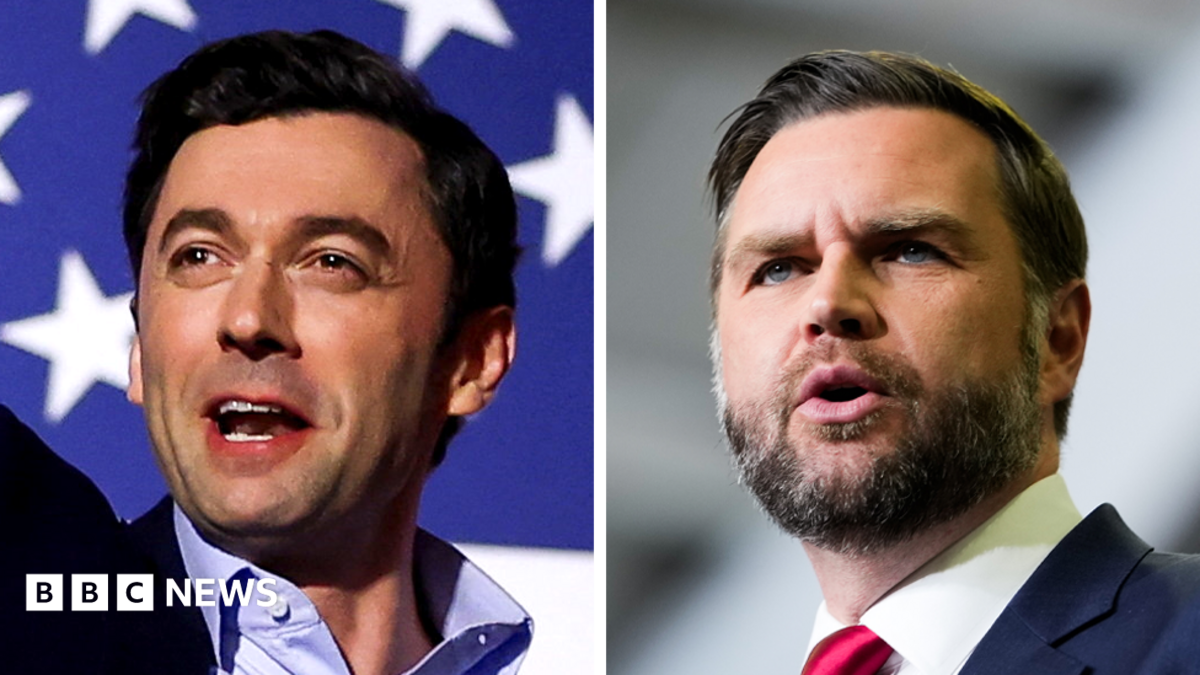
Several potential presidential candidates were on the ballot this year, and some emerged with enhanced profiles. Georgia Senator Jon Ossoff won re-election by a comfortable margin in a state Trump carried in 2024, boosting his national standing with a campaign that featured viral moments. Pennsylvania Governor Josh Shapiro easily defeated his Republican opponent, and analysts suggest his broad appeal in the key swing state could make him a formidable national candidate. Illinois Governor JB Pritzker also secured victory in what pundits described as a tune-up for a potential presidential run. California Governor Gavin Newsom, though not up for re-election, invested in a ballot initiative on taxing wealthy residents, signaling his continued political engagement.
Republican Contenders Face Headwinds
On the Republican side, two potential 2028 contenders, Senator Tom Cotton and Governor Sarah Huckabee Sanders, won re-election in Arkansas but by narrower margins than before, each garnering just over half the vote in the conservative state. The midterm losses have prompted introspection among Republicans, with Vice-President JD Vance attempting to distance himself from the defeat. Vance blamed the loss on the war in Iran, writing on X that "the reason we lost is the war." Secretary of State Marco Rubio has denied reports he might leave his post ahead of a 2028 run. Other Republicans, like Senators Ted Cruz and Florida Governor Ron DeSantis, have criticized the party's messaging on economic issues, positioning themselves as voices for change.
Ideological Battles Within the Democratic Party
Both the centrist and progressive wings of the Democratic Party are claiming victory from the midterms. Progressive candidate El-Sayed's win in Michigan has energized the left, with supporters arguing it proves that bold economic populism can succeed in battleground states. Adam Green, co-founder of the Progressive Change Campaign Committee, said the "water is now warm" for candidates like Alexandria Ocasio-Cortez to run in presidential primaries. Meanwhile, moderate Democrats, including the Blue Dog Caucus, gained at least 14 seats in Congress, nearly doubling their numbers. This has led many to believe that pragmatic, centrist candidates who focus on cost of living issues and are willing to work with conservatives could attract Republican voters.
A Shifting Political Map
The midterms also revealed a changing political landscape. Once-reliable Republican strongholds are no longer safe. Texas, which has 40 electoral college votes, now has only one Republican at the statewide level, making it a potential battleground in 2028. Political commentator Christina Pascucci noted that the results "challenge long-held political assumptions" and show that neither party can take its traditional strongholds for granted. Both parties will need to win over swing voters, as "neither party owns these voters," she added.
The Trump coalition of working-class and Latino voters showed signs of faltering, reversing some of the gains he made in 2024. Driena Sixto, a conservative commentator, told the BBC that Republicans must change their messaging to Latino voters ahead of 2028, moving away from an emphasis on deportations that may have alienated some. As the parties position themselves for the next presidential contest, the lessons from the midterms will undoubtedly shape their strategies and candidate selections.