Manchester City's season has taken a dramatic turn. After a record-breaking start under new manager Enzo Maresca, the club now finds itself in unfamiliar territory: three consecutive defeats and a six-point gap to Arsenal at the top of the Premier League. But the issues run deeper than just results. With the club found guilty of breaching financial rules and awaiting appeal, uncertainty looms large. Is this a psychological slump or a tactical problem? We delve into the factors affecting City's performances.
A Dream Start Turns Sour
Enzo Maresca's tenure began in spectacular fashion. The Italian led City to seven straight victories, a Premier League record, and everything seemed rosy. However, the wheels have come off in recent weeks. Losses to Aston Villa, Brighton, and Nottingham Forest have exposed weaknesses, particularly at the back. In their first seven games, City conceded no goals due to individual errors. In the last three, they have conceded four from mistakes. Overall, they have let in 13 goals in 10 league games, their highest at this stage since 2008-09. Questions are being asked about defensive solidity and the team's mental resilience.
The Psychological Impact of Uncertainty
Sports psychologist Dr Paul McCarthy, with 25 years of experience, explains how off-field issues can affect on-field performance. "When people are uncertain about their future, that uncertainty leads to a lack of perceived control," he says. "Uncertainty is often more stressful than bad news." The ongoing appeal against the guilty verdict hangs over the club. Players may be distracted by rumors and the potential consequences. McCarthy notes that consecutive losses can erode 'collective efficacy' - the squad's belief in their ability to win. This psychological burden could be contributing to the recent dip in form.
Tactical Shifts and Midfield Woes
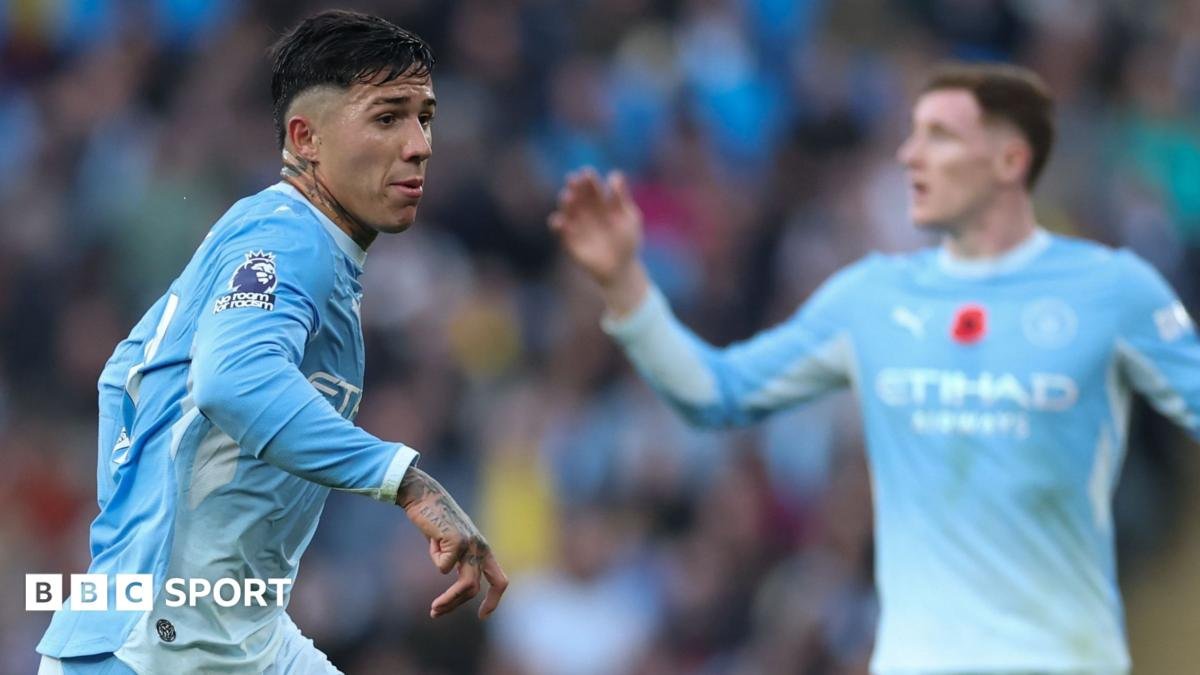
Maresca has implemented a 3-1-6 shape in possession, pushing an extra attacker forward. While this worked initially, opponents have adapted. The midfield, particularly the holding role, has been a weak point. With Rodri's departure, Elliot Anderson has been tasked with adapting to a deeper role. Anderson, naturally a box-to-box midfielder, has struggled with positional discipline, often stepping out to press and leaving gaps. Clever opponents exploit this, as seen in the goal conceded against Nottingham Forest. Furthermore, when City lose the ball, the advanced midfielders are often too high, leaving the defense exposed to counter-attacks. The loss of Bernardo Silva, who could single-handedly dictate play from deep, has magnified these issues.
Individual Errors and Build-Up Play
City's defenders and goalkeeper Gianluigi Donnarumma are not renowned for their ball-playing ability. Under pressure, they have made costly mistakes when playing out from the back. Against Forest, Josko Gvardiol was dispossessed, leading to a goal. The absence of a reliable deep-lying playmaker has made build-up play predictable and vulnerable to high presses. While Anderson has impressed at times, he cannot replicate Silva's role. Youngster Ayyoub Bouaddi, who showed composure against Brazil's press in the World Cup, might be an option to alleviate these issues.
What Lies Ahead?
Maresca has a two-week international break to address these problems. He must find a way to restore confidence and tactical coherence. The psychological cloud of the appeal will not dissipate soon, but the team must focus on what they can control. Whether it's through a tweak in formation, a change in personnel, or a mental reset, City need to stop the rot. The title race is far from over, but the gap to Arsenal is growing. For a club accustomed to success, this is a test of character and management. How Maresca navigates this period could define his tenure and City's season.