As artificial intelligence continues to transform scientific inquiry and nations grapple with emerging public health threats, researchers at Makerere University are urging greater emphasis on bioethics. They argue that scientific advancement must be anchored in principles that safeguard human life and preserve public confidence.
Without ethical research, scientists cannot fully grasp diseases, develop effective treatments, or design interventions to tackle pressing health challenges, the experts warned.
Ethics as a Foundation
Professor Bruce Kirenga, principal of Makerere University College of Health Sciences, stressed that ethical considerations are inseparable from biomedical research.
"You cannot do research without ethics. If we don't do biomedical research, we cannot understand the mechanisms of diseases, develop tools to treat diseases or develop interventions to address them," he said.
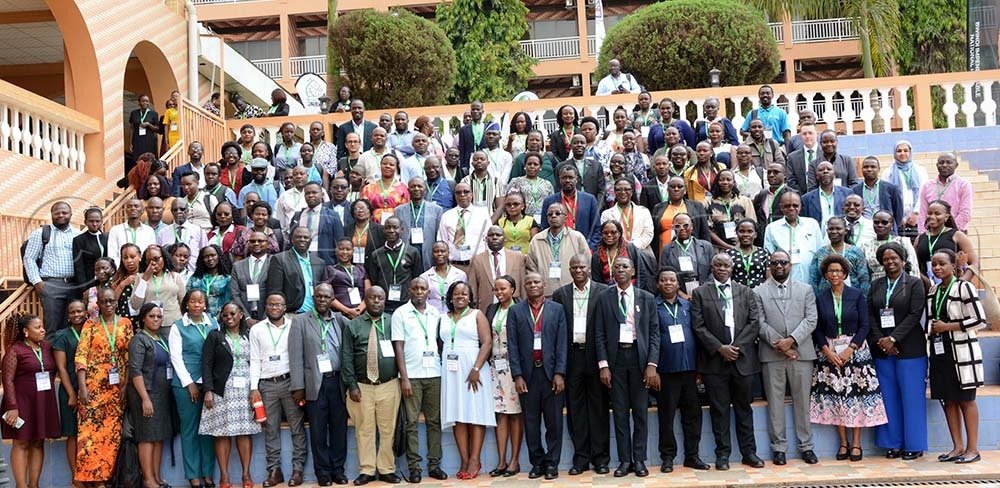
Kirenga made the remarks during the Makerere University Bioethics Conference (MakBC) 2026, held at Hotel Africana in Kampala from November 10 to 11.
He commended Uganda's research regulatory institutions for fostering an environment where scientists can respond swiftly to public health emergencies.
He specifically named the National Council for Science and Technology, the National Drug Authority, and other regulatory bodies for their role in facilitating research, particularly during disease outbreaks.
Ebola Trial Milestone
Kirenga pointed to Makerere University's achievement of launching a clinical trial within four days of an Ebola outbreak, describing it as a global milestone that remains unmatched.
"We are the first people in the world to launch a clinical trial within four days of an Ebola outbreak. That record has not been broken. This could only happen with the help of our regulators, who immerse themselves not only in regulation but also in the science," he said.
For Kirenga, the achievement illustrates how effective collaboration between researchers and regulators can accelerate scientific responses without compromising oversight.
He described the conference as an important forum for strengthening research, which he said remains a central pillar of a strong health system.
The gathering brought together experts to discuss the evolving role of bioethics in an era of rapid technological change and global health insecurity.