Mogadishu, Somalia - The announcement that Uganda will withdraw thousands of its soldiers from Somalia has generated a complex mix of emotions across the country, with some citizens viewing the move as an opportunity for national self-reliance while others worry about the security implications of a reduced foreign military presence.
A Longstanding Security Partnership
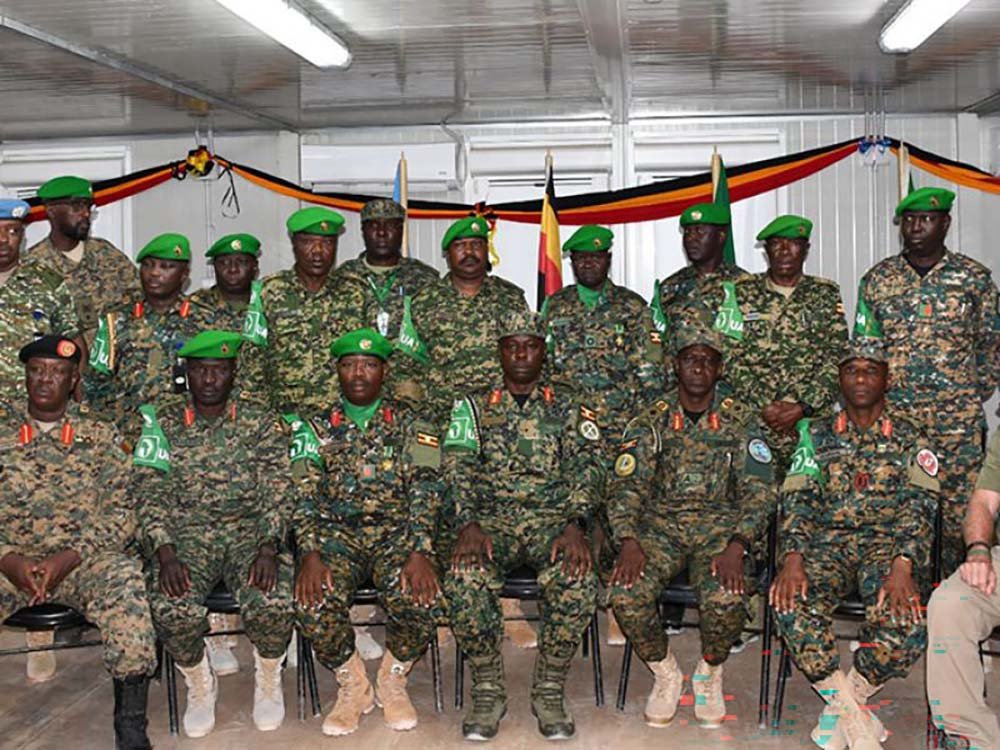
Uganda holds the distinction of being the first nation to deploy troops to the African Union's military operation in Somalia, beginning its mission in March 2007. Currently, the country maintains a force of between 6,500 and 8,500 soldiers who have been entrusted with critical responsibilities, including the protection of the capital city, Mogadishu. The planned departure of all Ugandan forces by the end of next year represents a significant challenge for the African Union Support and Stabilisation Mission in Somalia (AUSSOM), which stands to lose anywhere from one-third to one-half of its total personnel.
The Al-Shabaab Threat Looms Large
The Al-Qaeda-affiliated Al-Shabaab militant group has waged a violent campaign against the Somali government for two decades. Despite a comprehensive international military effort to neutralize the group, it continues to exercise control over substantial portions of central Somalia. The prospect of a security vacuum has raised alarms among many residents who have witnessed the militants' capacity for violence firsthand.
Ibrahim Hassan, a businessman operating in Barawe, a strategically important coastal town located approximately 200 kilometers south of Mogadishu, expressed his concerns to AFP. He fears that "Al-Shabaab could launch major attacks" once the Ugandan forces depart. Hassan noted that Ugandan troops had been stationed at a base on the periphery of Barawe, and he has already observed a significant influx of Somali soldiers arriving to take over security responsibilities.
Funding Challenges Compound the Crisis
The situation facing AUSSOM has been further complicated by the decision from Washington to withdraw funding from a vital United Nations logistics operation. The United States cited frustration with Somalia's insufficient progress in combating the militants, as well as ongoing political instability, as reasons for the funding cut. This financial blow, combined with the Ugandan withdrawal, places the mission in a precarious position.
A Defining Moment for Somali Forces
While anxiety about the future is widespread, some Somalis see the withdrawal as a necessary step toward building a self-sufficient national defense force. The arrival of Somali troops in areas previously secured by Ugandan forces suggests that the transition is already underway. The coming months will be critical in determining whether Somalia's own military can fill the gap left by departing allies and prevent militant groups from exploiting the changing security landscape.
The Road Ahead
The Ugandan withdrawal represents a pivotal moment in Somalia's long struggle for stability. The international community, regional partners, and Somali authorities will need to work closely to ensure that the gains made over nearly two decades of foreign military involvement are not lost. For ordinary Somalis like Hassan, the hope is that their own forces are prepared for the challenges that lie ahead, and that the sacrifices made by so many will not have been in vain.