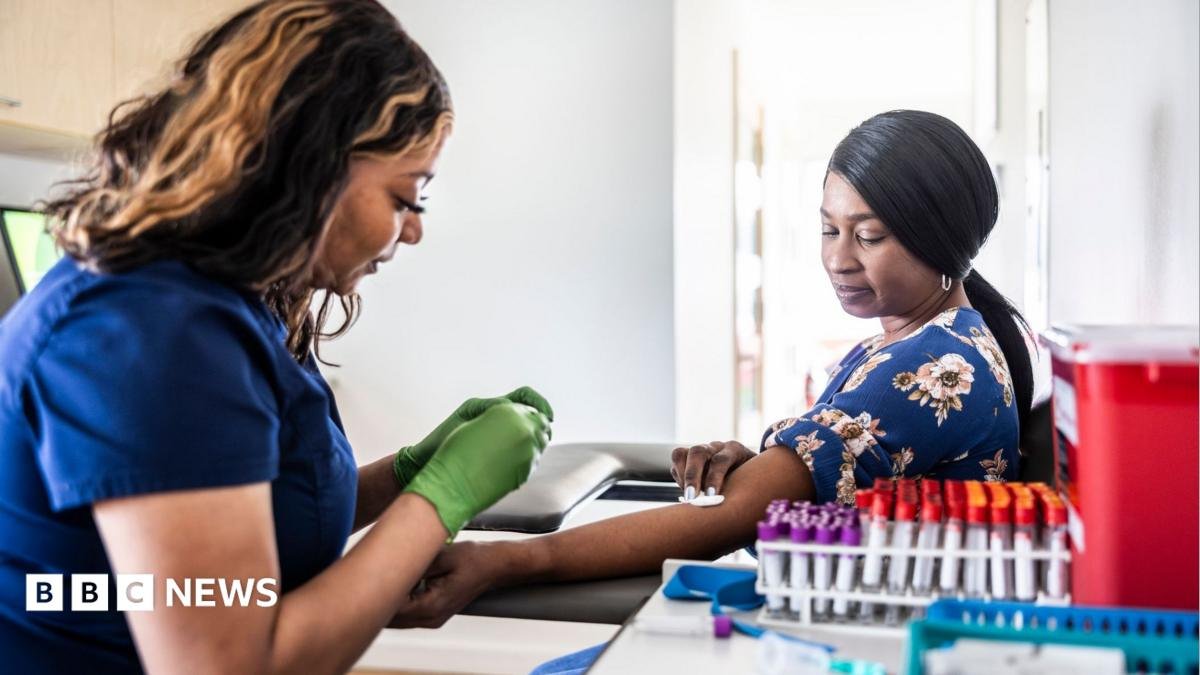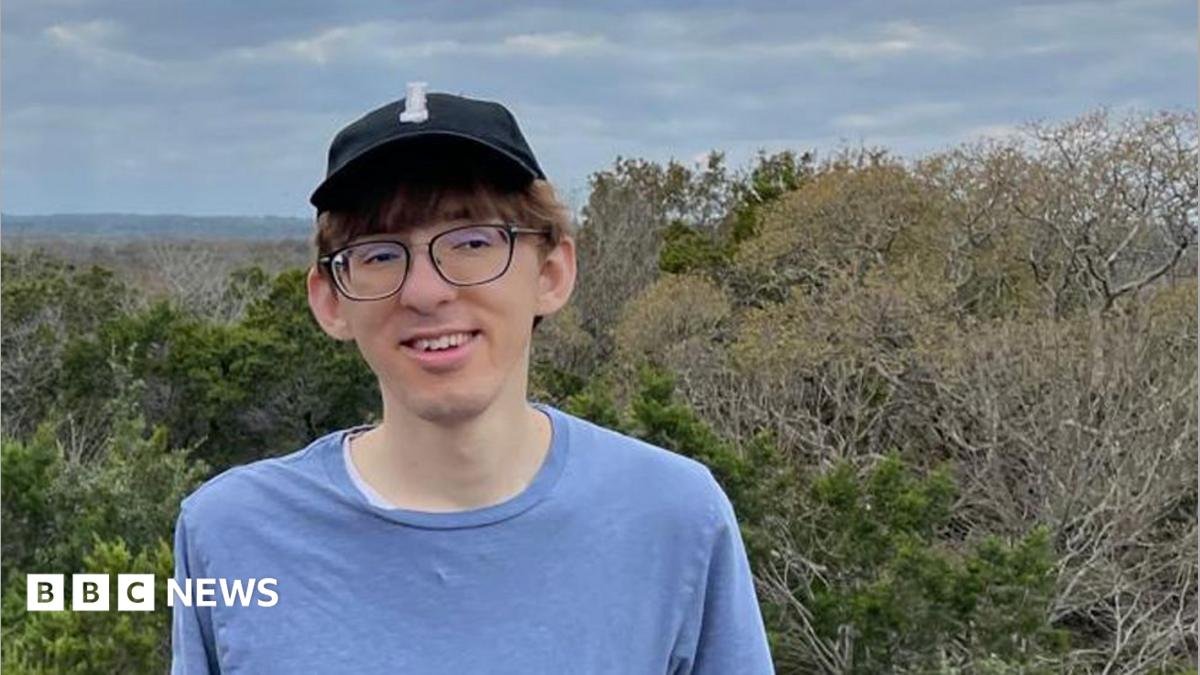
Isaac Valdez, a 26-year-old Jehovah's Witness from Waxahachie, Texas, died on August 26, 2026, after refusing a life-saving blood transfusion. Just 23 days later, the Jehovah's Witnesses' Governing Body announced a historic policy change that would have allowed him to accept the treatment. His twin brother, Jacob, believes Isaac would still be alive if the change had come sooner.
A Tragic Sequence of Events
In August, Isaac suffered an epileptic seizure while at his local library, causing him to fall and hit his head. He was rushed to the hospital, where doctors discovered a brain haemorrhage. However, because Isaac carried a "No Blood" card, a standard procedure to drain fluid from his brain was not performed. Despite briefly regaining consciousness and reaffirming his stance, Isaac soon slipped into a coma. His family was told that an emergency operation requiring a blood transfusion was the only way to save his life. They chose to respect his wishes, and Isaac died when life support was withdrawn.
Jacob, who had already left the faith, was devastated. "I believe Isaac could well still be alive if they had [changed the policy sooner]," he told the BBC. He reached out to elders in Isaac's congregation, asking them to consider "the part you played in encouraging so many people to sacrifice their life for something that was never God's will." Most did not respond, and one elder said he could not understand Jacob's anger.
The Policy Shift
On September 18, 2026, the Jehovah's Witnesses' Governing Body announced that most medical procedures using blood components, such as plasma, red blood cells, and platelets, are no longer prohibited. The decision on whether to accept such treatments is now left to individual members. The ban on transfusions of whole blood remains, but since most modern transfusions use components rather than whole blood, the practical effect is a significant liberalization.
The original ban was introduced in 1945, based on biblical passages that instruct believers to abstain from blood. Over the years, the policy has been criticized for causing unnecessary deaths. A 2016 study in The Obstetrical & Gynecological Survey estimated that around 1,100 Jehovah's Witnesses die annually due to the blood ban.
Paul Gillies, an international spokesperson for the faith, explained the change as "the application of Bible principles to modern medicine." He said the Governing Body wanted to avoid scriptural "overreach" and only apply what is specifically described in the Bible. When asked why the change took so long, Gillies said, "It takes time, it doesn't necessarily mean that there is some magic change that's taken place." He deflected calls for an apology, instead pointing out that many lives had been saved because Jehovah's Witnesses avoided blood contamination scandals.
Mixed Reactions Among Members
The policy change has left many members grappling with mixed emotions. Alex Ball, a 58-year-old Jehovah's Witness from West Sussex, was told in 2012 that he would not survive chemotherapy for blood cancer without a transfusion. He sought alternative treatment that boosted his blood cells without donated blood and survived. More than a decade later, he says he would make the same decision again, even though the new policy would permit transfusions.
Elisha Cummings, 50, from Trinidad and Tobago, was unable to donate blood to her dying aunt because of the rules. Her husband of 10 years left the faith and divorced her after it was revealed he had had a blood transfusion as a child. "Since the blood policy change, I have not been myself," she said. "It left me in a sort of depressed mode." She feels her beliefs have been shaken but is reluctant to leave the faith because of the community it provides.
Gillies says that those who left the faith because they accepted a transfusion are welcome to return. "Any individual that wants to come back to the faith is warmly welcomed," he said.
For Jacob Valdez, the policy change comes too late. He wants a straightforward apology from the faith's leadership. "I would like not to have a deflected answer, just straightforward apology," he said. His grief is compounded by the timing of the announcement, which came just days after a memorial service for Isaac. The change has sparked a broader debate about the cost of religious rules and the accountability of those who enforce them.