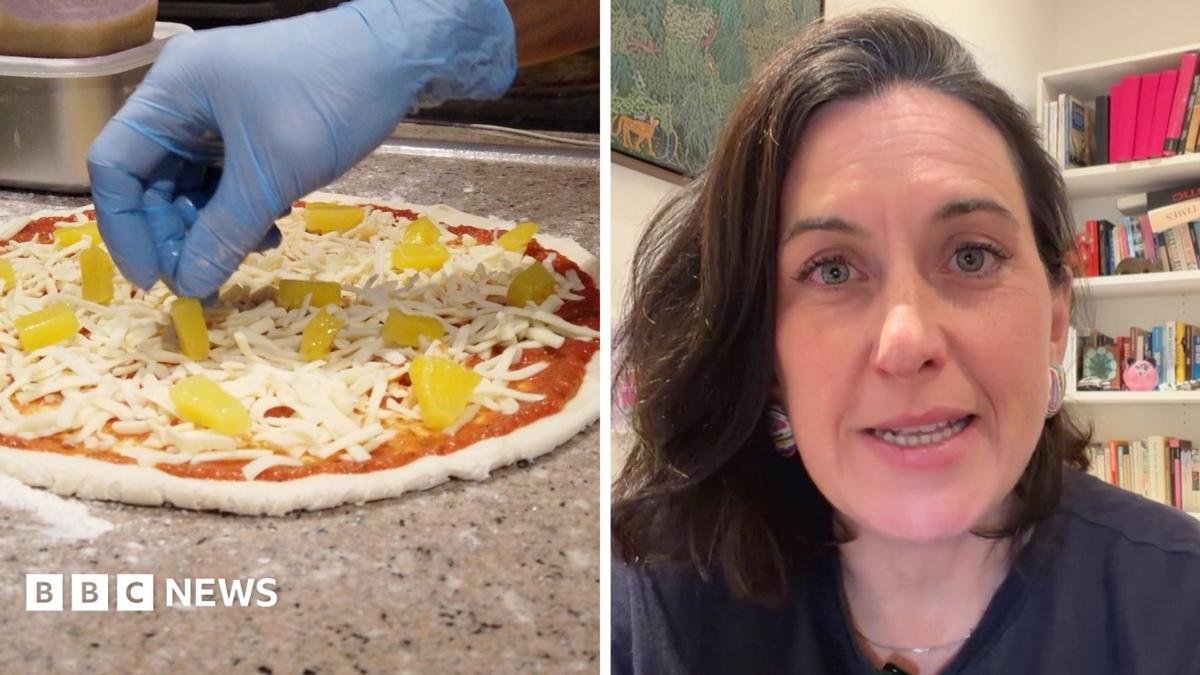
A Brisbane restaurant dismissed Italian chef Davide Tamburella in May, and the dispute at the heart of it has since travelled far beyond the kitchen: whether pineapple belongs on pizza. Management at the establishment pointed to a series of complaints about the chef's conduct, among them his refusal to serve ham and pineapple pizza to guests at a function.
According to reports, it was the third occasion in four years that Tamburella had declined to put the fruit on a pizza. At the time, the chef described the practice as "offensive to his culture," a remark that quickly turned a workplace dispute into an international talking point.
A Clash of Culinary Traditions
For many Italians, the idea of pineapple on pizza is close to sacrilege. Traditional Neapolitan pizza is built on a simple foundation of dough, tomatoes, mozzarella and fresh basil, and purists argue that sweet fruit has no place on it. The Hawaiian pizza, widely believed to have been created in Canada in the 1960s, remains a popular order in many countries, including Australia.
Tamburella's stance resonated with defenders of Italian culinary tradition, who saw his refusal as a matter of principle rather than mere stubbornness. Others, however, viewed the dismissal as a straightforward case of an employee failing to meet the expectations of his employer and the paying guests he was hired to serve.
What Led to the Dismissal
Management at the Brisbane restaurant framed the decision around a broader pattern of complaints about the chef's behaviour, not solely the pineapple incident. The refusal to provide the requested dish at a function was cited as one example among several concerns.
Australia correspondent Katy Watson has examined the circumstances surrounding the dismissal, tracing how a routine service request escalated into a debate about culture, identity and the limits of artistic conviction in a commercial kitchen.
The Wider Debate
The story has reignited a long-running argument about food and authenticity. Chefs are often celebrated for defending their craft and refusing to compromise on quality. Yet restaurants are also businesses, and diners expect their orders to be honoured, particularly at private functions where a menu has been agreed in advance.
- Tamburella was dismissed in May from a Brisbane restaurant.
- Management cited multiple complaints about his conduct.
- The chef had refused to make ham and pineapple pizza three times in four years.
- He described pineapple on pizza as offensive to his culture.
For now, the episode leaves an open question: when personal conviction collides with customer demand, who should give way? The answer, it seems, depends entirely on which side of the kitchen door you stand.