Iran has executed three men convicted of armed unrest during the anti-government protests that swept the country in January, state media reported. The executions are the latest in a series of death sentences linked to the nationwide demonstrations, which were initially triggered by economic grievances but quickly escalated into widespread calls for political change.
Executions Follow Supreme Court Ruling
Hassan Dioband, Hamid Kazemi, and Reza Zanganeh were put to death after the Supreme Court upheld their convictions, according to the state news agency Tasnim. The three were accused of throwing Molotov cocktails and grenades, using bladed weapons and firearms, and setting fire to public facilities in Karaj, a city west of Tehran. Tasnim reported that the men were found guilty of "participating in operational activities on behalf of the Israeli Zionist regime, the United States and hostile groups." The alleged damage included an electricity substation in Karaj, which caused power outages in some areas.
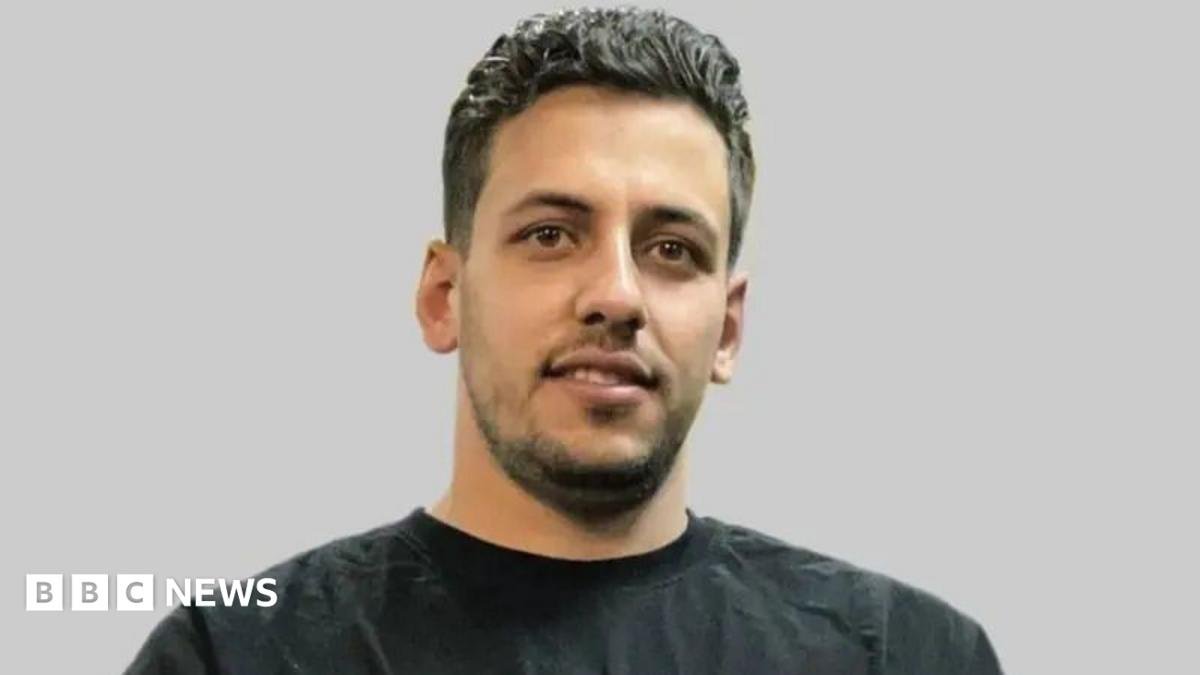
Dioband was arrested on 11 January after investigations identified him as a suspect in attacks on public property and incitement to violence. Ten others accused of taking part in the unrest under his supervision were later arrested and received prison terms of five to ten years, according to Reuters.
Protests and Crackdown
The protest movement began in December last year over the high cost of living and rapidly evolved into widespread anti-government demonstrations that peaked on 8 and 9 January. Iranian authorities reported more than 3,000 deaths and blamed the violence on "terrorist acts" orchestrated by the US and Israel. However, foreign-based NGOs gave higher figures, and the BBC received multiple accounts from Iranians of security forces opening fire on unarmed protesters.
The executions come amid a sharp increase in the use of the death penalty in Iran. The UN human rights chief, Volker Türk, said in August that he was alarmed by the rise in executions, noting that at least 56 people had been executed on national security-related charges since 19 March, including 27 in cases linked to January's protests. Iran is thought to be the world's second-most prolific executioner after China. Last year, it put to death at least 2,159 people, according to Amnesty International, the highest figure on record since 1981. The rights group said this included 45 executions of suspected dissidents on national security-related charges.
The latest executions are likely to further strain relations between Iran and Western countries, which have criticized the crackdown on protests. The Iranian government has defended its actions, saying it is dealing with foreign-backed unrest.