Russell Brand, once a celebrated comedian and actor, has been found guilty of one count of rape and three counts of sexual assault at Southwark Crown Court. The verdict, delivered after a three-week trial, marks a dramatic fall from grace for a man who was once one of Britain's most provocative cultural figures.
A Career Built on Provocation
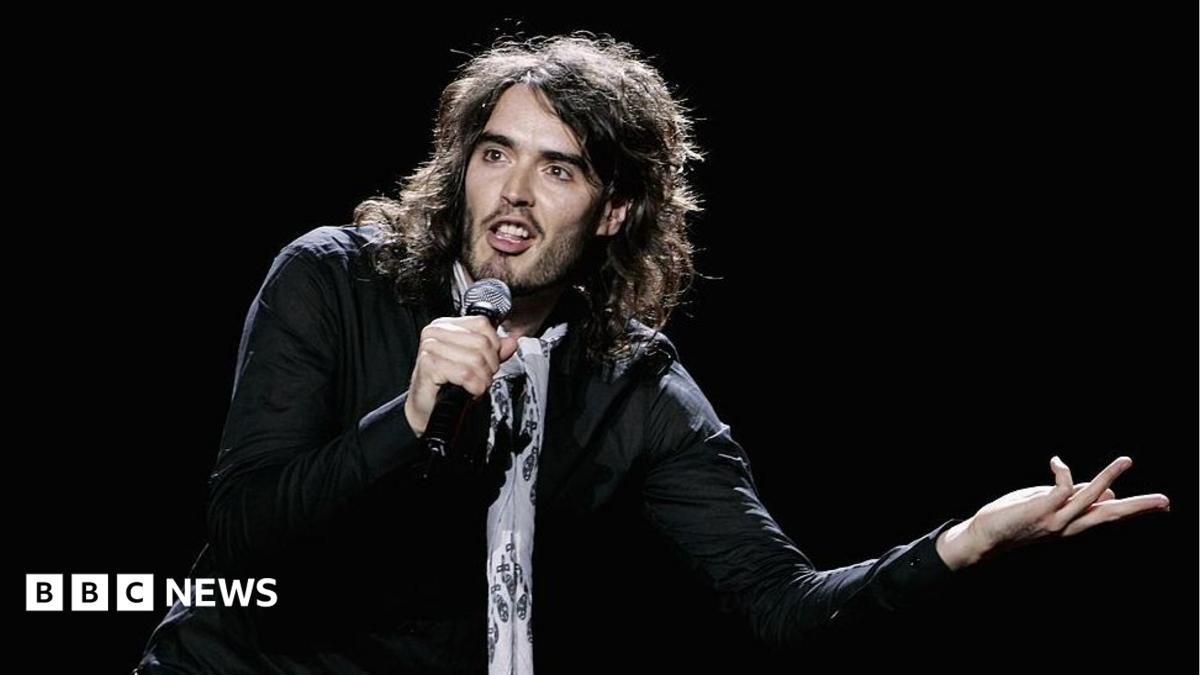
Brand's rise to fame in the early 2000s was fueled by an image of unapologetic hedonism. With his trademark disheveled hair and tight black jeans, he captivated audiences with comedy that reveled in graphic sexual detail. His stand-up routines, which often included simulated sex acts and explicit discussions of his own exploits, were seen by many as edgy and refreshing. Television executives at MTV, Channel 4, and the BBC were eager to capitalize on his charisma, and his 2007 memoir, My Booky Wook, became a bestseller.
But the same behavior that made Brand a star now lies at the heart of his conviction. During the trial, his own barrister described his humor as "a product of its time," acknowledging that the sexualized content was once viewed as radical. Yet, as Sarah Ditum, author of Toxic: Women, Fame and the Noughties, points out, "There was an appetite for taboo breaking. I think it looks very old hat if you look back on that stuff. It's dated horribly."
The Lad Culture Context
The late 1990s and early 2000s in Britain were defined by what is now often called "lad culture." Magazines like FHM and Loaded dominated newsstands, celebrating casual sexism and objectifying women. In 1999, FHM projected a naked photo of TV presenter Gail Porter onto the Houses of Parliament, a stunt that Porter later said had a profound impact on her mental health. This was an era when toxic masculinity was frequently dismissed as harmless banter, and celebrities who embodied it were rewarded with fame and fortune.
Brand's comedy thrived in this environment. He cultivated the persona of an insatiable womanizer, and his material often blurred the line between humor and misogyny. As Ditum notes, "People are willing to mistake irony and self-awareness for truth telling and trustworthiness. The idea that he made these jokes about being this kind of sexual monster was supposed to convince you that he wasn't actually a sexual monster in real life."
Enablers and Silence
The trial raised uncomfortable questions about the role of the media and the entertainment industry in enabling Brand's behavior. A former TV executive, speaking anonymously, explained the mindset: "You've got this charismatic presenter who appears to be very, very good and you don't want to lose that. The women who were being persecuted didn't feel empowered to speak up... because you didn't want to lose the star."
One of the complainants told the court she didn't report her assault because she didn't think she would be believed in "those laddish culture times." Her words echo the experiences of many women who came forward during the trial.
Jo Caulfield, a fellow comedian from the early noughties circuit, described Brand as "utterly charming" but believes he was "enabled and nobody will say anything against it." She added, "Nobody wants to upset the star. This person is making them money so everybody down the food chain better not say anything if they behave badly."
A Reckoning
Brand's conviction is a stark reminder of how cultural norms can shield predators. The lad culture of the 2000s may have celebrated his behavior, but it also silenced his victims. As Brand awaits sentencing, his case forces a reckoning with the past and raises urgent questions about accountability in the entertainment industry.
In My Booky Wook, Brand wrote, "I have done some terrible things over the course of this booky wook… I mean, over my life." Those words now carry a weight he could never have imagined.