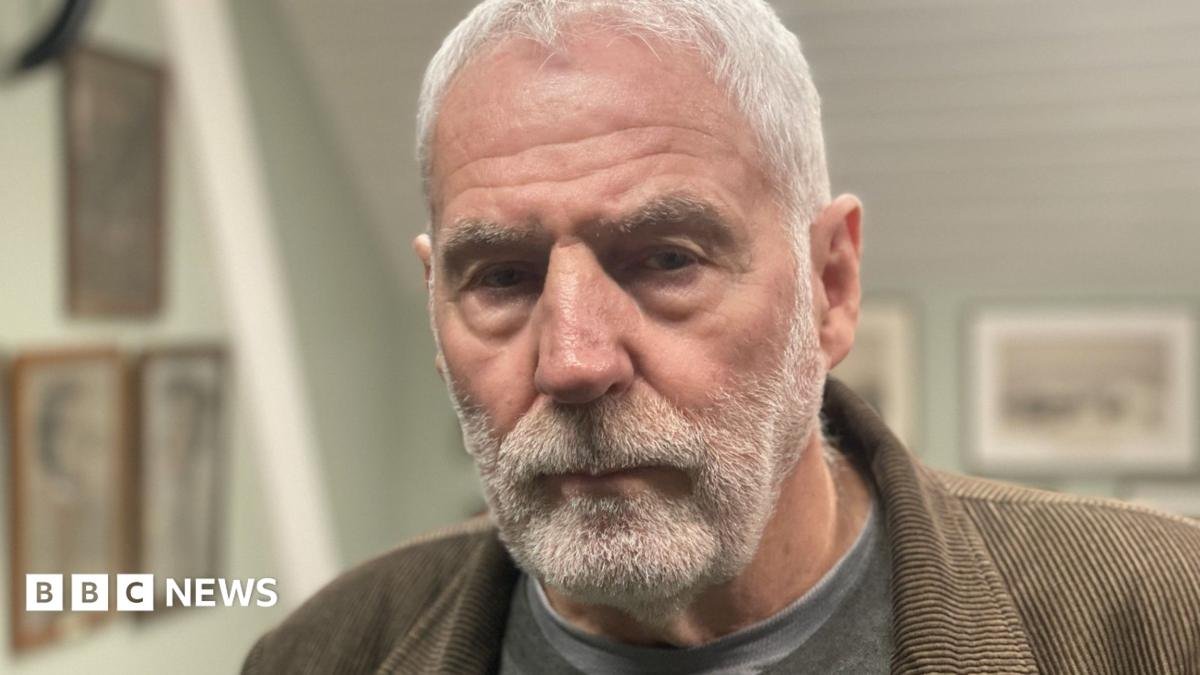
George Simm, a former officer with the British Army's Special Air Service (SAS), has broken nearly 50 years of silence to deny that the unit operated a shoot-to-kill policy against the IRA during the Troubles. In an exclusive interview with BBC News NI, Simm, who served in the 1970s and 1980s, accused the government of abandoning veterans through its legacy legislation.
Accusations of Government Betrayal
Simm, now 72, criticized the Northern Ireland Troubles Bill, which aims to address unresolved killings from the conflict. He claimed the government has failed to protect veterans and has instead subjected them to a legal process that he describes as corrupt and politically motivated. "They are not fit to be in charge of an army on operations," he said, expressing frustration that the Ministry of Defence (MoD) has tried to censor veterans' accounts while simultaneously expecting them to testify in court.
The Troubles Bill, introduced by the Labour government, replaces the controversial 2023 Legacy Act and includes a legacy commission to investigate killings, an information recovery body, and a dedicated unit within An Garda Síochána. The government insists the bill contains effective safeguards for veterans, but Simm argues it leaves them exposed to prosecution while ignoring the actions of others in the chain of command.
The Drumnakilly Ambush
Simm was the SAS commander during a 1988 ambush at Drumnakilly near Omagh, where three IRA men were killed. The men, Gerard Harte (29), his brother Martin (23), and their brother-in-law Brian Mullan (26), had planned to kill an off-duty UDR soldier. Simm, posing as a lorry driver, waited for the gang. "I heard the car coming and could see it was a Sierra and suddenly out of the back window was a hood with a gun and he fired a burst at me," he recalled. In the ensuing firefight, which lasted seconds, the three IRA men were shot dead.
The families of the deceased have long maintained it was a shoot-to-kill operation and that the men could have been arrested. Ignatius Harte, a brother of two of the men, previously told the BBC that the Army had prior knowledge of the men being armed and could have arrested them at any time. "They lured them into an ambush and shot them dead without any warning," he said. But Simm insists the soldiers acted in self-defense. "When you shoot you shoot to kill but the inference from our detractors using propaganda was that you went out there with the full intent to kill, we didn't," he said. He added that the unit arrested more people than it killed and that evidence has consistently supported their actions.
A Legacy of Controversy
The SAS was involved in many of the most controversial killings during the Troubles, a 30-year conflict that claimed more than 3,500 lives. While most of its victims were IRA members, civilians were also killed. Simm's decision to speak out is part of a broader effort by SAS veterans to challenge what they see as a perverted narrative. He said the whole of the SAS association and many senior officers are now "in the fight" to set the record straight.
Simm also criticized republicans, accusing the IRA of continuing the war by other means. "They've all put away their weapons in the deep hides and they've all got laptops now and they are all social media warriors doing the same thing," he said. He questioned the purpose of the IRA's campaign, suggesting it was all for nothing.
As the legacy bill continues its passage through Westminster, Simm's intervention highlights the deep divisions and unresolved pain that still surround the Troubles. For veterans like him, the fight is now about preserving their reputation and ensuring their actions are understood in the context of the time. For the families of victims, the quest for truth and justice remains as urgent as ever.