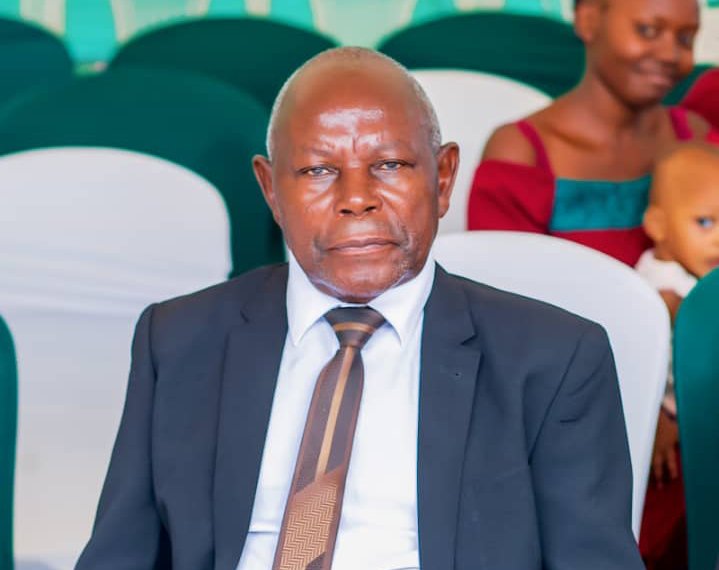
Fenehasi Bwambale Kisokeranio, a prominent figure in several Ugandan rebel movements, has died at Mulago National Referral Hospital in Kampala. He was in his late years.
Kisokeranio, commonly known as Kisokyo, passed away in the early hours of Tuesday morning, according to his family. He had been referred to Mulago after being treated at Mount St Mary's Hospital in Kasese, where doctors discovered that his blood pressure had severely affected his brain.
"We were advised to rush him to Mulago for a CT scan," said his brother, Sunday Augustine Kobe. The family says the exact cause of death will be announced once burial arrangements are finalized.
A life in rebellion
Born in Kitholhu Sub-county in Kasese District, Kisokeranio was a Mukonzo by tribe. He first rose to prominence as a commander in the Rwenzururu Freedom Movement, a 20-year armed struggle against the Toro Kingdom that lasted from 1962 to 1982. This made him one of the most enduring figures in the region's history of opposition.
However, he later fell out with the Rwenzururu leadership after a disagreement with the movement's founder, Isaya Mukirania, who was the father of the current Omusinga (king) of Rwenzururu, Charles Wesley Mumbere Irema-Ngoma. Following this rift, Kisokeranio surrendered to the UPC government in the early 1980s.
He did not stay out of conflict for long. Between 1989 and 1993, he became a top leader in the National Army for the Liberation of Uganda (NALU), a defunct rebel group. Later, he joined the Allied Democratic Front (ADF), another militant outfit that fought the government.
In 2015, Kisokeranio publicly renounced rebellion, marking an end to his involvement in armed struggle.
His death has prompted reflections on the complex history of insurgency in the Rwenzori region and the many lives shaped by decades of conflict.
Funeral arrangements are yet to be announced.