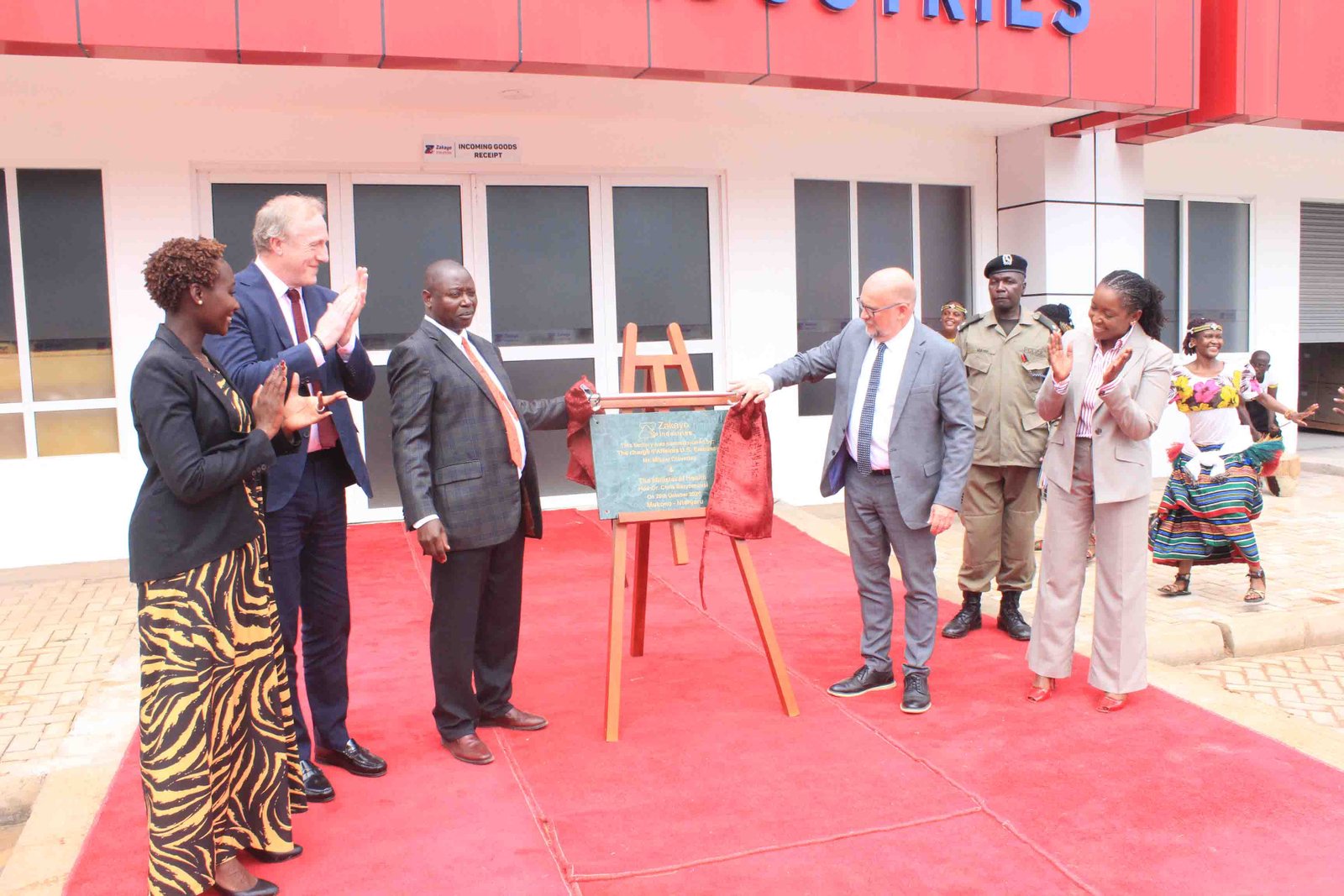
Uganda has taken a significant step in its battle against HIV/AIDS with the opening of a local manufacturing plant for HIV self-testing kits. The facility, operated by Zakayo Industries in Mukono District, is poised to enhance access to testing services and reduce the country's reliance on imported supplies.
A Milestone in Local Production
The launch of the factory is expected to bolster local production, ensure a steady availability of testing kits, and support Uganda's efforts to end AIDS as a public health threat. Health experts note that the introduction of self-testing kits has encouraged more Ugandans to learn their HIV status, particularly those who avoid health facilities due to stigma and other barriers.
Rose Okidi of the Uganda Virus Research Institute highlighted that the government's rollout of self-testing kits in 2018 has led to increased testing rates, especially among individuals who fear discrimination or stigma associated with seeking HIV testing at health facilities. She also pointed out that limited access to testing services in some health facilities has made self-testing a vital alternative for reaching people who might otherwise remain unaware of their status.
Driving Factors Behind the Initiative
Ronald Wantanda Zakayo, CEO of Zakayo Industries, explained that the factory was established with three key objectives: contributing to the fight against HIV, creating employment opportunities, and generating tax revenue for the country. He stressed that expanding access to HIV testing is critical in helping people determine their status and make informed health decisions.
Wantanda warned that individuals who do not know their HIV status risk missing opportunities for early diagnosis and timely treatment, which are essential in controlling the spread of the virus.
US-Uganda Partnership Strengthened
US Chief of Mission Michael Cleverly reaffirmed the importance of the longstanding health partnership between Uganda and the United States, which he said dates back approximately 90 years. Cleverly pledged continued support for efforts to attract private-sector investment into Uganda, particularly in sectors that improve livelihoods and strengthen the country's economy, education, and health systems.
He noted that partnerships between the two countries and private investors could promote innovation, create opportunities, and improve access to essential health services.
Government Welcomes the Development
Dr. Charles Olara, Director General of the Ministry of Health, welcomed the establishment of the factory, stating that local production of HIV testing kits could reduce Uganda's dependence on imported supplies and potentially lower procurement costs. He emphasized that strengthening domestic manufacturing capacity is important in ensuring a reliable supply of testing products and building the country's ability to respond to public health challenges.
Olara underscored that early diagnosis and timely access to treatment remain critical in improving health outcomes and accelerating Uganda's progress towards ending AIDS as a public health threat.
The launch of the Zakayo Industries factory marks a promising development in Uganda's fight against HIV/AIDS, with the potential to save lives and strengthen the nation's health system.