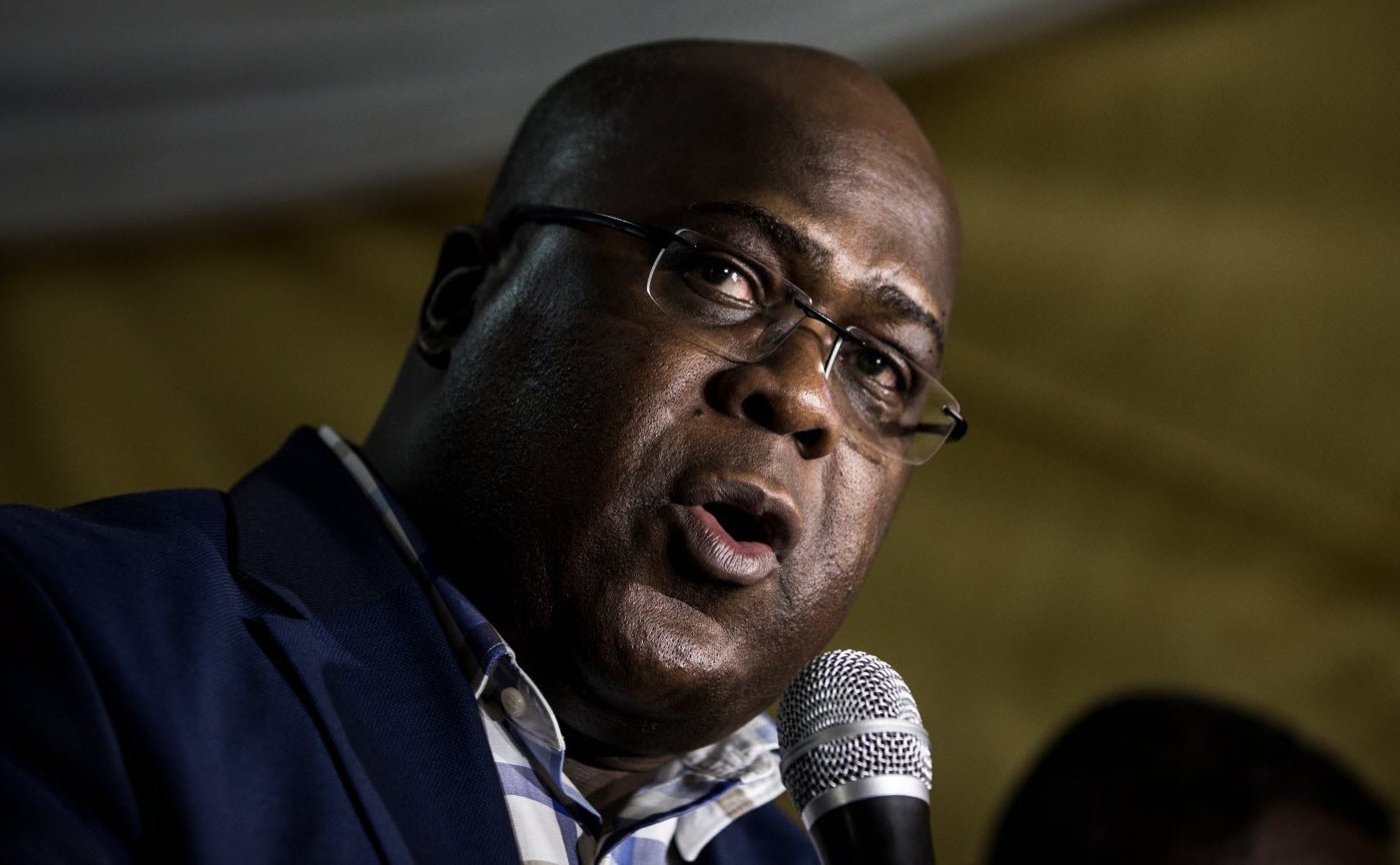
President Felix Tshisekedi of the Democratic Republic of Congo has signed into law a measure that loosens the conditions for holding a referendum on constitutional matters, a move that opposition figures say is designed to let him extend his hold on power.
What the new law does
The legislation, enacted in Kinshasa, lowers the procedural hurdles that previously stood in the way of calling a public vote on changes to the national constitution. Under the revised framework, the path to a referendum becomes considerably shorter, giving the executive branch greater room to push constitutional amendments toward a popular ballot.
Supporters of the president have not framed the law as a direct step toward rewriting the constitution. But critics argue that the timing and the substance of the change send a clear signal about the administration's long-term intentions.
Opposition cries foul
Opposition parties reacted swiftly, describing the law as a maneuver aimed at keeping Tshisekedi in office beyond the limits set by the current charter. Several political figures warned that any attempt to alter the constitution could spark widespread unrest in a country with a long history of contested elections and volatile transitions of power.
The president's allies reject that characterization, insisting that the reform is a matter of legal procedure rather than political ambition. They maintain that any future constitutional review would still require broad public consent through the ballot box.
A familiar pattern across the region
The dispute echoes similar battles elsewhere in Africa, where leaders have faced accusations of using constitutional revisions to prolong their time in office. In the DR Congo, memories of past power struggles remain fresh, and civil society groups have already signaled that they will monitor how the new law is applied.
Analysts say the coming months will be decisive. If the government moves quickly to propose amendments, tensions are likely to rise. If the law sits unused, the controversy may fade. For now, the political temperature in Kinshasa is climbing, and both sides are digging in.
What remains clear is that the debate over the constitution is no longer a distant legal question. It has become a central test of the country's democratic direction, and many Congolese are watching closely to see what comes next.