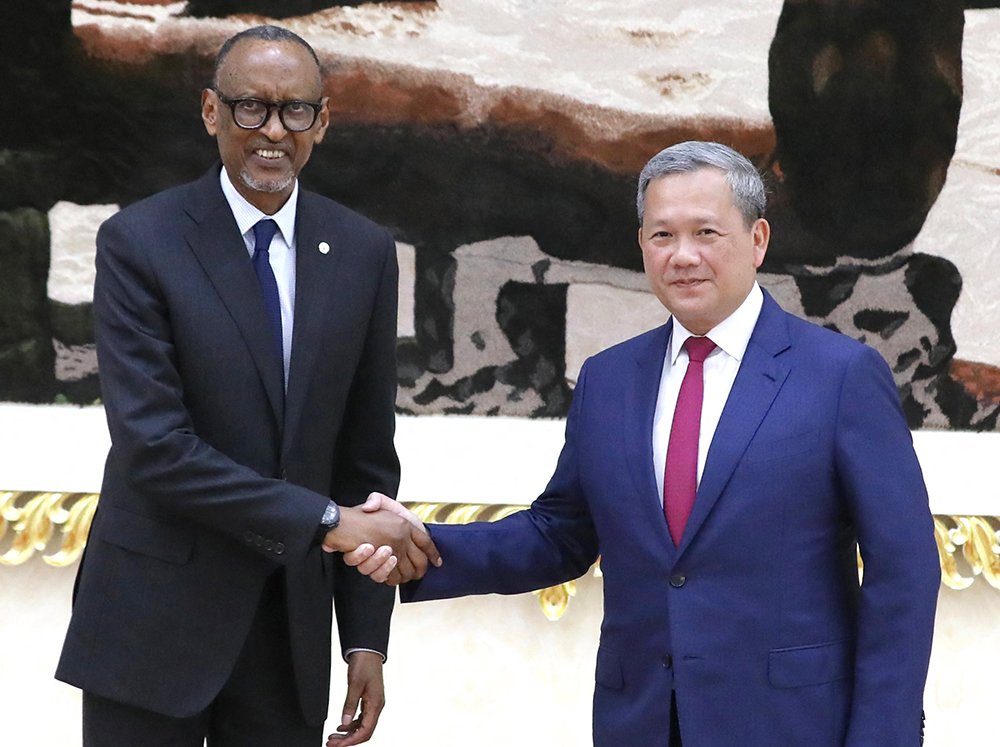
The Democratic Republic of Congo and Rwanda, two neighbours already locked in a tense cross-border standoff, have now turned their rivalry into a diplomatic contest over who should lead the world's largest grouping of French-speaking nations.
The dispute centres on the position of secretary-general of the Organisation internationale de la Francophonie (OIF), a 53-member body that brings together states and governments with French as a shared language. The organisation opened a summit in Phnom Penh, Cambodia, on Sunday, and the question of its next leader has quickly become the most divisive item on the agenda.
A Contest With Regional Weight
At stake is not only the leadership of a cultural and linguistic network but also influence across Africa, where a large share of the OIF's membership is concentrated. Kinshasa and Kigali have each thrown their weight behind competing candidates, turning what is usually a quietly negotiated appointment into a public test of regional loyalties.
The clash comes against a backdrop of persistent friction between the two countries, whose relations have been strained by armed conflict in eastern Congo and repeated accusations of cross-border interference. That tension now appears to have spilled into the diplomatic arena, with both capitals lobbying fellow member states ahead of the vote.
Why the Job Matters
The secretary-general steers the OIF's work in promoting the French language, supporting education and cultural cooperation, and coordinating political dialogue among members. For African states, the post also carries symbolic weight as a platform to shape the organisation's priorities and amplify continental voices.
- The OIF counts 53 member states and governments across several continents.
- The summit in Cambodia is the organisation's main decision-making gathering.
- Both Congo and Rwanda have actively courted support from other member nations.
- Observers say the vote could reshape diplomatic alignments within Francophone Africa.
Delegates arriving in Phnom Penh acknowledged that the leadership question had overshadowed other items on the programme, including development cooperation and language promotion. Some warned that a prolonged standoff could weaken the organisation's ability to speak with one voice on global issues.
What Comes Next
The summit is expected to deliberate on the leadership contest in the coming days, with backroom consultations likely to intensify before any formal decision. Whether Kinshasa or Kigali prevails, analysts say the episode highlights how deeply regional rivalries now shape even the most ceremonial corners of international diplomacy.
For now, the two governments remain locked in a contest that mirrors their wider dispute, one that will be watched closely by member states eager to see whether the organisation can bridge the divide or become another theatre for African geopolitical friction.