Political stakeholders in Uganda have reached a consensus to integrate the Consociational Democracy Agreement (CDA) initiative into the existing Uganda National Dialogue (UND) Framework, a move that could reshape the country's approach to political engagement and conflict resolution.
Consultative Meeting in Nakaseke
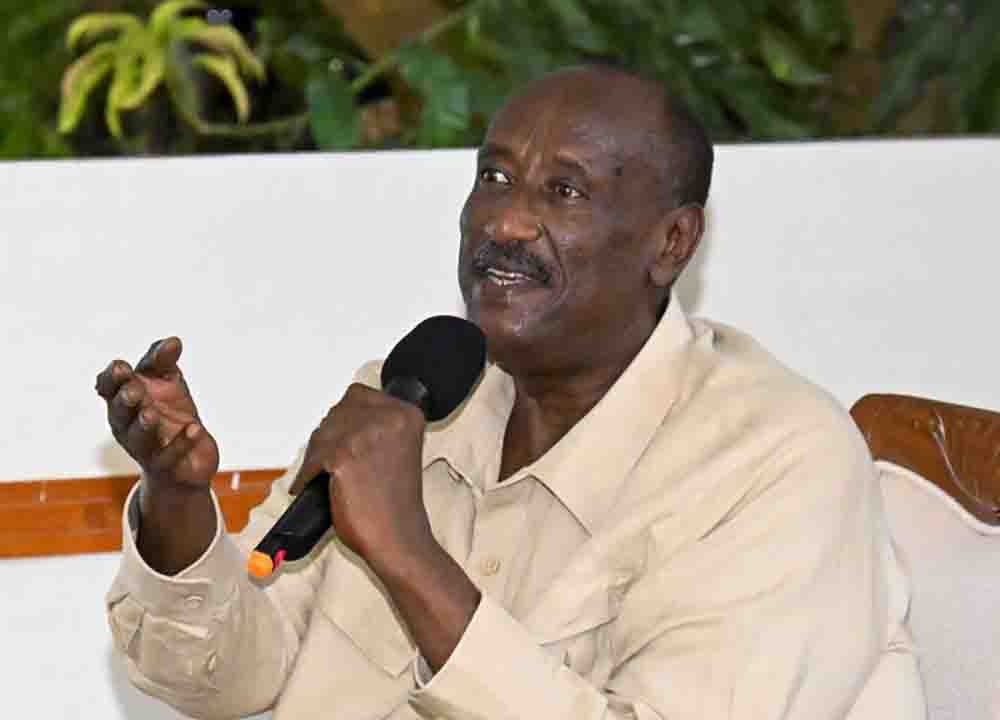
The agreement emerged from a consultative meeting held in Nakaseke, hosted by General (Rtd) Caleb Akandwanaho, widely known as Salim Saleh, who serves as the Chief Coordinator of Operation Wealth Creation. The gathering brought together key political figures to discuss how best to institutionalize dialogue as a permanent feature of national governance.
The decision to merge the CDA initiative into the UND Framework represents a significant step toward creating a more structured and inclusive political environment. By embedding dialogue into national policy, stakeholders hope to establish a lasting mechanism for addressing political differences through conversation rather than confrontation.
What the Agreement Means
The Consociational Democracy Agreement is designed to promote power-sharing and representation among diverse political groups, while the Uganda National Dialogue Framework provides a platform for ongoing discussions on national issues. Combining the two could create a comprehensive system that encourages collaboration across party lines.
- Institutionalized dialogue: Political discussions would become a formal part of national policy rather than ad hoc arrangements.
- Broader representation: The consociational model aims to ensure various political factions have a voice in decision-making processes.
- Conflict prevention: Regular dialogue could help defuse tensions before they escalate into larger disputes.
Reactions and Next Steps
While details of the implementation timeline remain unclear, the meeting signals a willingness among political leaders to work together on shared governance challenges. Observers note that the involvement of General Saleh, a figure with significant influence in both military and economic spheres, adds weight to the initiative.
The move comes amid ongoing discussions about political inclusivity and national cohesion in Uganda. Supporters argue that embedding dialogue into policy will foster stability and trust, while critics may question how effectively such frameworks can operate in practice.
As the agreement moves forward, stakeholders will need to define concrete mechanisms for participation, funding, and oversight. The success of this initiative will likely depend on sustained commitment from all parties involved and the ability to translate high-level agreements into tangible benefits for citizens.
For now, the Nakaseke meeting marks a notable moment in Uganda's political landscape, signaling a collective push toward dialogue-driven governance.