Australia's retail landscape has been shaken by the news that David Jones, the country's oldest department store chain, has entered voluntary administration, jeopardizing thousands of jobs and marking a significant moment in the nation's retail history.
A Storied History
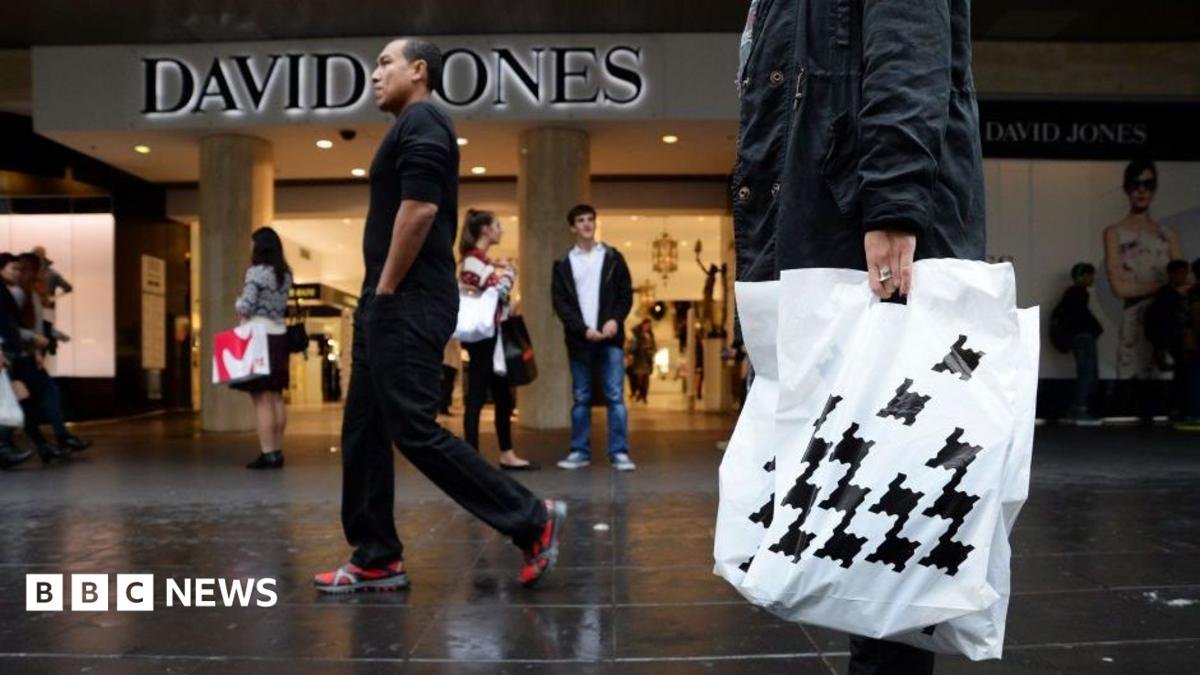
For 188 years, David Jones has been a cornerstone of Australian retail, known affectionately as DJs. Its iconic black-and-white houndstooth logo has long been associated with luxury and style, evoking memories of a time when department stores were the heart of shopping districts. Generations of Australians have flocked to its flagship stores, particularly during the festive season to marvel at the elaborate Christmas window displays.
However, the retailer has struggled in recent years as consumers increasingly turn to online shopping, leaving traditional brick-and-mortar stores grappling with declining foot traffic and rising costs.
Financial Struggles and Administration
The company's financial difficulties came to a head this week when the board voted to appoint voluntary administrators from McGrathNicol. Hours earlier, Scentre Group, which owns Westfield shopping centres where many David Jones stores are located, revealed that the retailer had failed to pay its October rent, breaching its tenancy agreement.
David Jones employs approximately 6,000 staff across 38 physical stores, with 17 located in Westfield centres. The company's online and physical stores will continue to operate while receivers from FTI Consulting review the business.
CEO Erica Berthold expressed gratitude for the support of customers, team members, and partners, stating that the brand has a "well-developed plan" to "reset the business for the future."
Impact on the Retail Sector
The collapse of David Jones has sent shockwaves through the Australian retail sector, with experts suggesting it could signal the end of the department store format as we know it. Dr. Jana Bowden, a marketing expert at Macquarie University, described the chain as "the Aussie version of Harrods" and a place where Australians could experience glamour and luxury.
"It was once the epitome of glamour shopping in Australia," she said. "A place you would go to see and be a part of the glitz and glamour, where you could marvel at all the premium luxury labels, and feel like you'd made it."
However, Bowden noted that in recent years, the brand had lost its shine, with suburban stores failing to match the excitement and glamour of the city flagships. "The city stores have retained their upper end airs and graces, but the suburban stores leave a lot to be desired - they're mundane, they lack excitement and there's definitely no glitz," she added.
The administration process will provide David Jones with "breathing space" to restructure, according to Christopher Hill of FTI Consulting, who acknowledged the challenging retail environment, rising costs, and supply chain issues that contributed to the collapse.
What's Next?
As the review unfolds, the future of David Jones remains uncertain. The company's ability to adapt to changing consumer habits and revitalize its brand will be crucial in determining whether it can emerge from administration as a viable business. For now, Australians are left to reflect on the potential loss of an institution that has been part of the fabric of the nation for nearly two centuries.