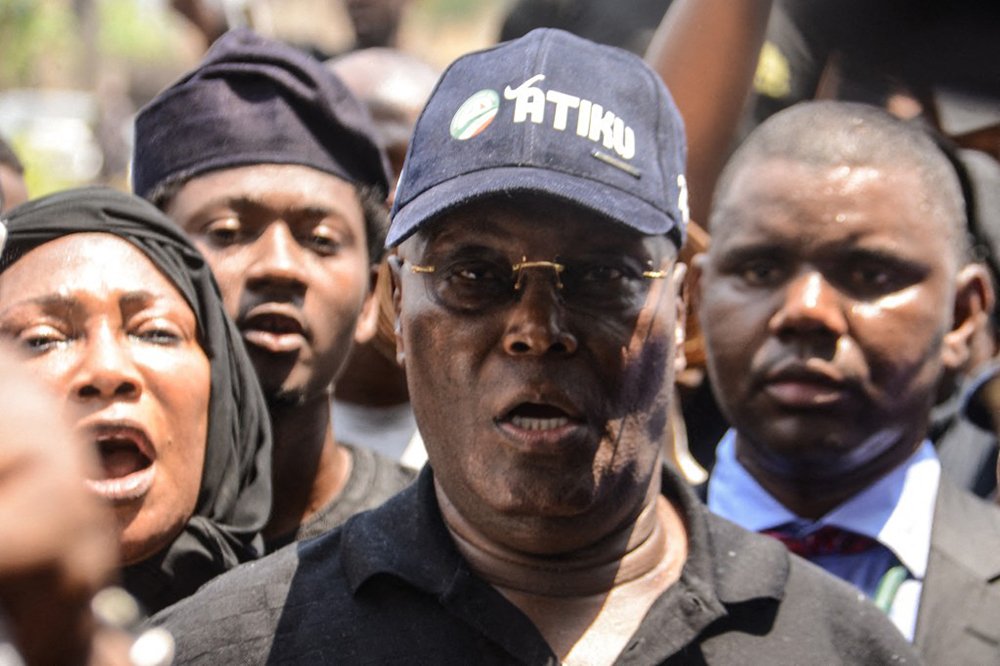
In a ruling that has injected fresh uncertainty into Nigeria's political landscape, a Federal High Court in Abuja on Thursday invalidated the nomination of Atiku Abubakar as the presidential candidate of the opposition African Democratic Congress (ADC). The decision comes just two months before the general elections scheduled for January 16, 2027.
The court's action stems from a protracted leadership dispute within the ADC. The ruling effectively removes the party's current leadership under David Mark, who has been locked in a bitter power struggle with Nafiu Bala Gombe. Because Abubakar's nomination was made while Mark was at the helm, it too has been annulled, according to Nigerian media reports.
Opposition Alleges Political Interference
The ADC has condemned the ruling as a politically motivated attack on democracy. In a statement, party spokesman Bolaji Abdullahi described the decision as "another desperate attempt to cripple the opposition and deny Nigerians the right to choose their leaders in the forthcoming general elections." He confirmed that the party will appeal the judgment.
The ruling party, the All Progressives Congress (APC), has denied any involvement in the lawsuit. Daniel Bwala, a spokesman for President Bola Tinubu, told AFP that the APC "is not involved at all" in the case that led to Thursday's decision. However, the ADC had earlier accused the APC of backing the legal challenge, a charge the ruling party rejects.
Legal Headaches and Voter Uncertainty
The invalidation of Abubakar's candidacy creates significant legal and political complications. Abubakar, a former vice president and perennial presidential contender, is one of the main opposition figures seeking to unseat President Tinubu. The ADC is among the key opposition parties aiming to unseat the ruling APC in the upcoming vote.
The court's decision also raises questions about the ADC's eligibility to contest the elections. Earlier this year, the federal government supported a separate lawsuit challenging the party's participation in the 2027 polls. With the election just weeks away, the ruling introduces a new layer of uncertainty for voters and could reshape the opposition's strategy.
The ADC's leadership crisis has been brewing for months, with factions loyal to Mark and Gombe vying for control. The court's ruling in favor of Gombe's faction has now ensnared the party's presidential nominee, leaving the ADC's electoral prospects in limbo.
What's Next?
The ADC's planned appeal means the legal battle is far from over. But with the election fast approaching, time is of the essence. The party must navigate a complex judicial process while also trying to mount a credible campaign against the incumbent.
For now, the ruling serves as a stark reminder of the fragility of Nigeria's democratic processes and the high stakes involved in the upcoming elections. As the opposition grapples with this latest setback, voters are left to ponder the implications for the country's future.