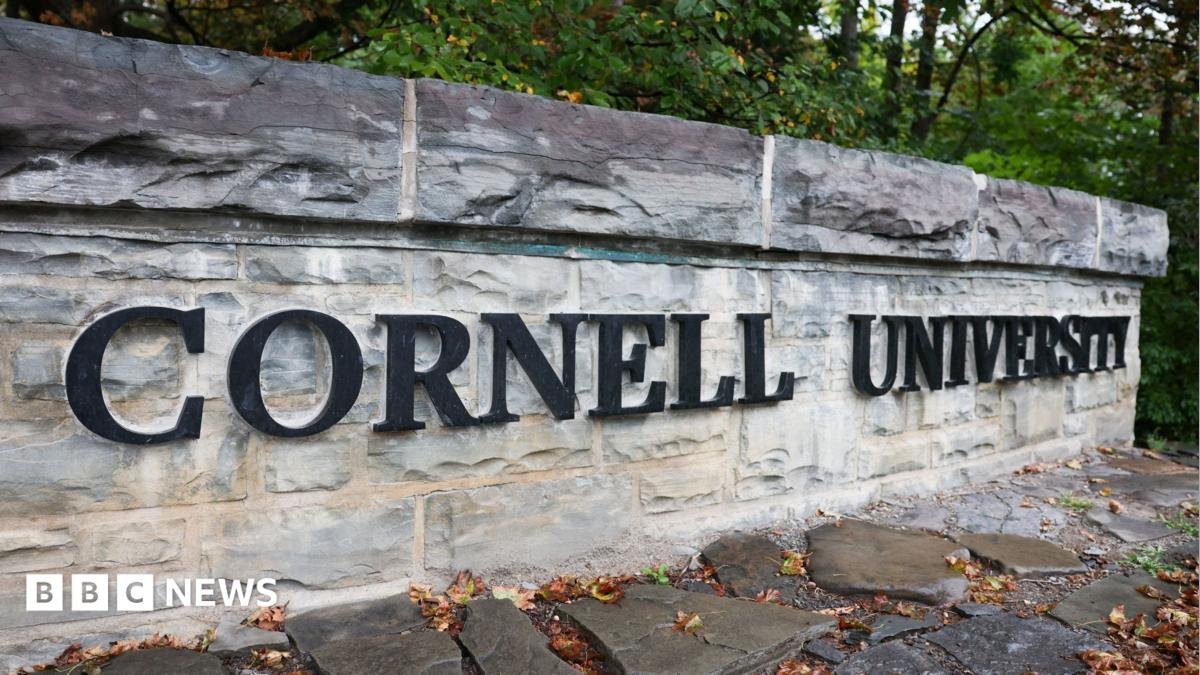
In a powerful rebuke to Cornell University's administration, the faculty senate has passed a vote of no confidence, citing the leadership's handling of what they describe as a "crisis of sexual assault" following allegations by a former student that she was gang raped at a fraternity house.
The vote, which passed 75 to 50 on Friday, is largely symbolic as the faculty senate cannot remove university leaders. However, it signals deep dissatisfaction with the response to the case of a woman known anonymously as Jane Doe, who is suing the Ivy League institution and the Chi Phi fraternity over an incident in October 2024.
All seven accused men have denied any wrongdoing, and no criminal charges have been filed. The resolution expressed the faculty's lack of confidence in the central administration's ability to effectively address the ongoing crisis of sexual assault at Cornell. It did not specify what administrators did wrong, but it is seen as a direct criticism of President Michael Kotlikoff, whom Doe accused of questioning why she waited weeks to report the assault. The university has disputed her account of that conversation.
Doe's attorney, Thomas Giuffra, welcomed the vote, stating that the faculty senate did not reach its decision lightly. "We are hopeful that this will be yet another step forward to educate and support the Cornell community by addressing the longstanding scourge of sexual assault on campus," he said.
The backlash against Cornell has been intense since Doe filed her lawsuit in September. She reported the assault to campus police, but the local prosecutor initially declined to press charges. The university, after initially defending its disciplinary actions, has since acknowledged shortcomings in its handling of the case and has hired a former attorney general to conduct an independent review. Cornell has also announced measures such as canceling fraternity parties.
New York State prosecutors, led by Attorney General Letitia James, are conducting their own investigation to determine if criminal charges are warranted. Additionally, Governor Kathy Hochul announced this week that state police will investigate any future sexual offense complaints at the university.
The vote reflects growing pressure on Cornell to reform its approach to sexual assault and to support survivors. As the community grapples with these allegations, the faculty's action underscores the demand for accountability and change.