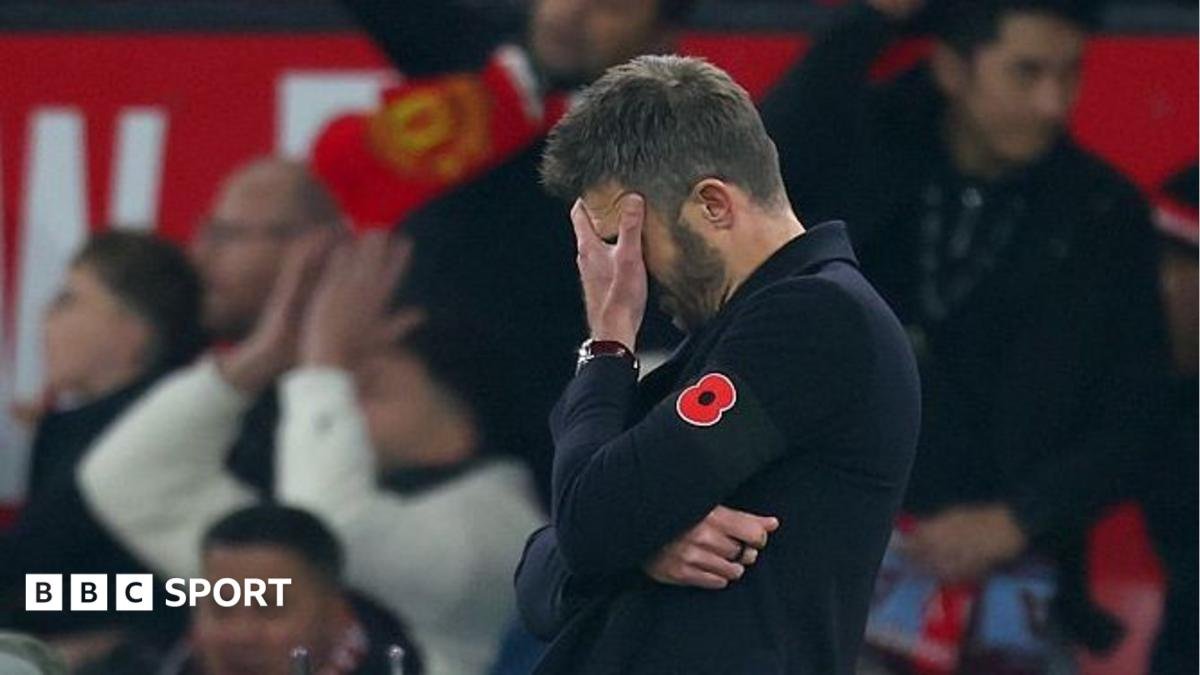
Manchester United's decision to part ways with Michael Carrick after just 15 games has sent shockwaves through Old Trafford, but for those close to the club, the writing had been on the wall. Carrick, who signed a two-year deal in May, became the third United manager in as many seasons to be dismissed mid-season, following in the footsteps of Erik ten Hag and Ruben Amorim.
A Promising Start Turns Sour
When Carrick took over, hopes were high. He had guided United to 12 wins in 17 games and a return to the Champions League, and pre-season optimism was palpable. Young talents like JJ Gabriel were integrated into the first team, and there was excitement about a potential midfield partnership between Bruno Fernandes and Youri Tielemans. However, cracks began to appear early in the campaign.
The season opener against Hull City set the tone. United were lacklustre in a 1-0 defeat, and Carrick's decision to play Matheus Cunha, who often drifts into Fernandes' space, blunted the attack. Injuries to Amad Diallo and Benjamin Sesko didn't help, but the performance lacked passion, according to former striker Jan Aage Fjortoft. Carrick dismissed the criticism as "ridiculous," but the pressure was mounting.
Inconsistency and Defensive Woes
A fortunate 5-2 win over Ipswich, thanks to a Bruno Fernandes hat-trick, papered over the cracks. Since then, United have not won in the Premier League. Defensive frailties were exposed time and again, with the Red Devils conceding 30 goals in all competitions, the most among Europe's top five leagues except for Lens. The back four that started the first home game of the season was the same as under Ten Hag in 2022, highlighting a lack of investment in defense.
Carrick's side showed fighting spirit in comebacks against Roma and Aston Villa, but the overall quality was lacking. The 4-4 draw with Villa, where United came from two goals down twice, was a microcosm of their season: thrilling but chaotic. In the end, the board decided that Carrick was not the right man to take the club forward.
Recruitment Under Scrutiny
While Carrick made mistakes, questions must be asked of the club's recruitment strategy. The midfield was a priority, but the arrival of Carlos Baleba from Brighton for £70m only materialised on August 25, and a pre-existing ankle injury delayed his debut until October. Similarly, the left-back position was left unaddressed, with Luke Shaw's injury history a known risk. United instead chose to wait for Lewis Hall next summer, leaving Carrick with limited options.
Carrick publicly called for more signings in August, saying, "We want more, we need more." His plea fell on deaf ears, and the squad's shortcomings were evident. The likes of Tielemans and Santos arrived, but neither has made a significant impact, with Santos starting just four league games.
The Final Straw
The 3-0 home defeat to Bournemouth was a low point, with fans booing the players off the pitch. Carrick survived that, but a run of one win, one draw, and one loss in the following three games sealed his fate. The decision was made swiftly, with CEO Omar Berrada and director of football Jason Wilcox flying to Monaco to inform minority owner Sir Jim Ratcliffe.
Carrick's departure leaves United searching for yet another manager. Mauricio Pochettino is the frontrunner, and the club will hope he can bring stability after a period of turmoil. For Carrick, a legend as a player, his managerial stint ends in disappointment, but at least he can hold his head high knowing he gave his all for the club he loves.