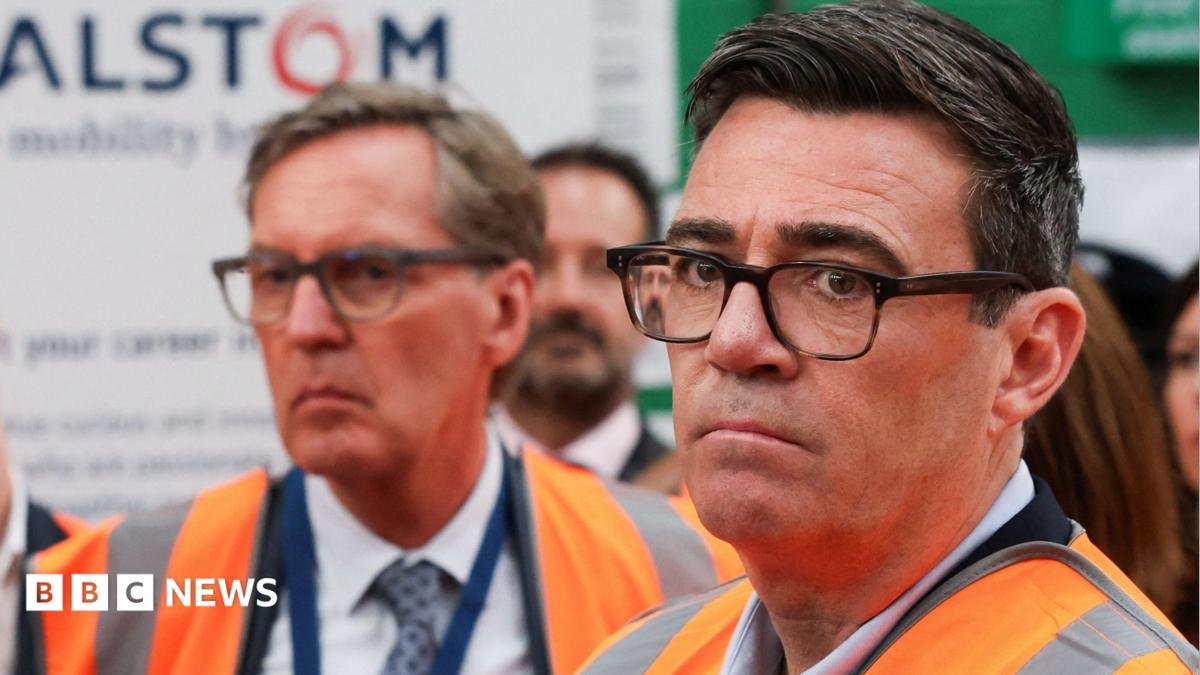
As Andy Burnham prepares to respond to Alan Milburn's welfare review, he is acutely aware of the political landmines that similar reforms have triggered in the past. Last year, a rebellion by 120 Labour MPs over welfare changes severely weakened Sir Keir Starmer's leadership, forcing him to guarantee that existing claimants of Personal Independence Payment (Pip) would not lose out. Despite that concession, 49 MPs still voted against the government.
A New Review, A New Approach
Milburn, a former New Labour cabinet minister, has spent a year examining how to reduce the nearly one million young people not in employment, education or training (Neets). His recommendations, expected next week, are likely to include cutting benefits for some 16-24 year olds receiving Pip or the enhanced health-related element of Universal Credit. Such a move would normally ignite tensions within the Parliamentary Labour Party, but this time the atmosphere appears calmer.
Key organisers of last year's rebellion, including Louise Haigh and Anneliese Midgeley, are now backing the current leadership. Meg Hillier, who led the revolt, has said she will give Milburn's proposals a fair hearing. This shift in stance, combined with a different approach to reform, may help Burnham avoid a large-scale revolt.
Gradualism and Targeted Cuts
Unlike last year's cost-cutting exercise, Milburn's plan involves upfront investment to support unemployed young people, with net savings expected over a decade. The cuts would be limited to the under-25s, who make up about 11% of Pip claimants. Government ministers who previously expressed concerns are now on board, provided there is sufficient support for young people, including guaranteed jobs and training. Milburn may also propose enhanced payments for those unable to work and additional allowances for disabled young people who lose Pip.
Work and Pensions Secretary Pat McFadden has been engaging with MPs on the principles behind the reforms, which one minister praised as a more inclusive process. However, some MPs remain cautious. Rachael Maskell, the MP for York, said she needs to see the full details and expressed concern that withdrawing Pip from young people is like using a sledgehammer to crack a nut. Simon Opher, MP for Stroud, called the Neet crisis real but insisted benefit cuts should be a last resort. Bell Ribeiro-Addy and Brian Leishman also voiced opposition to cutting benefits during a cost of living crisis.
While a welfare rebellion seems inevitable if Burnham accepts Milburn's recommendations, it is unlikely to match the scale or political jeopardy of last year's revolt. Much will depend on the timing and detail of the proposals, and whether support for young people is put in place before benefits are withdrawn.