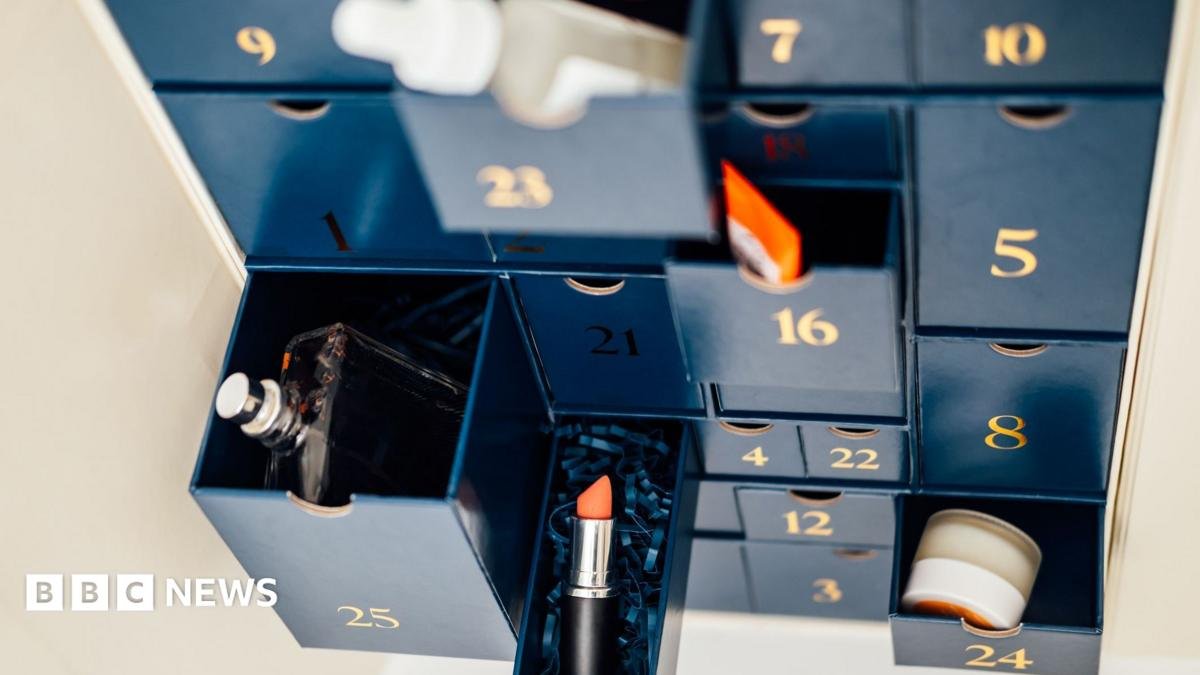
As the holiday season approaches, beauty advent calendars line store shelves and flood social media feeds, promising a daily dose of luxury and surprise. But with price tags often exceeding £100, are these curated collections a smart buy or a clever marketing ploy? The recent controversy surrounding Kim Kardashian's Skims calendar, which prompted refunds after customers criticized its contents as cheap and disappointing, has reignited the debate.
The Allure of the Unexpected
For many, the appeal is undeniable. Julia, a 39-year-old senior commercial manager, admits she's often tempted, especially by fragrance calendars. However, she takes a pragmatic approach. "I always look at what's in them. If I like enough of the fragrances, I'll buy it," she says. Like Julia, a growing number of consumers are scrutinizing the value of these calendars, moving beyond the thrill of the surprise.
The Skims fiasco, where customers likened the hair clips and keychains to items "found down the back of a sofa," has amplified this scrutiny. The brand's offer of refunds for the $148 calendar highlights the risk for companies that fail to meet expectations in an increasingly crowded market.
Seeking Substance Over Hype
Julia's strategy is paying off. Last year, she spent £160 on a Space NK fragrance calendar and managed to recoup some of the cost by selling unwanted items. "I got some fragrances I'd been wanting for a while for a lot less than recommended retail price, and those I didn't like I managed to sell on for a slight mark-up," she explains. This savvy shopping reflects a broader trend: customers are doing their homework before splashing out.
Priya Raj, a 30-year-old fashion journalist, sees the calendars as a way to sample products without committing to full sizes. "They serve the purpose of allowing me to try out different products, particularly in the lead-up to Christmas, and then I can hopefully snag a bargain in the Boxing Day sales," she says. However, she acknowledges that not all calendars offer good value, noting that many contain only a few items she actually wants to try.
The Dark Side of the Countdown
Not everyone is convinced. Rhea Somaiya, a 28-year-old podcaster, believes some brands take advantage of consumers by including trivial items. "They provide each day with something so menial that people are bombarded with irrelevant and cluttering items," she says. For her, the excitement of opening each window can quickly turn into irritation.
Marketing consultant Jessica Jasper takes a more positive view but acknowledges that some companies are jumping on the bandwagon. "Some brands are getting a little carried away with the pricing," she says. With around 15% of all advent calendars sold being beauty-related, according to Ipsos data, and younger consumers particularly willing to spend, the market is booming. But as Heather Widdows, a philosophy professor and beauty expert, points out, the likelihood of using every product in a calendar is slim. "They can be a bit of fun and feel sensuous. But it is exceptionally unlikely that you would use all the products inside them, so they're probably not worth it."
A Win-Win or a Waste?
For Julia, this year's £99 John Lewis fragrance calendar seems like good value, but she's not keeping everything. She's joined a Facebook group where people trade unwanted items. "The ones I keep are already a lot cheaper per millilitre than if you bought them at retail," she says. This collaborative consumption model allows enthusiasts to maximize value and minimize waste.
As the beauty advent calendar market continues to evolve, the question remains: are they a win-win for brands and customers, or merely a festive temptation designed to lighten our wallets? The answer likely lies in the eye of the beholder, and increasingly, in the fine print of what's inside.