
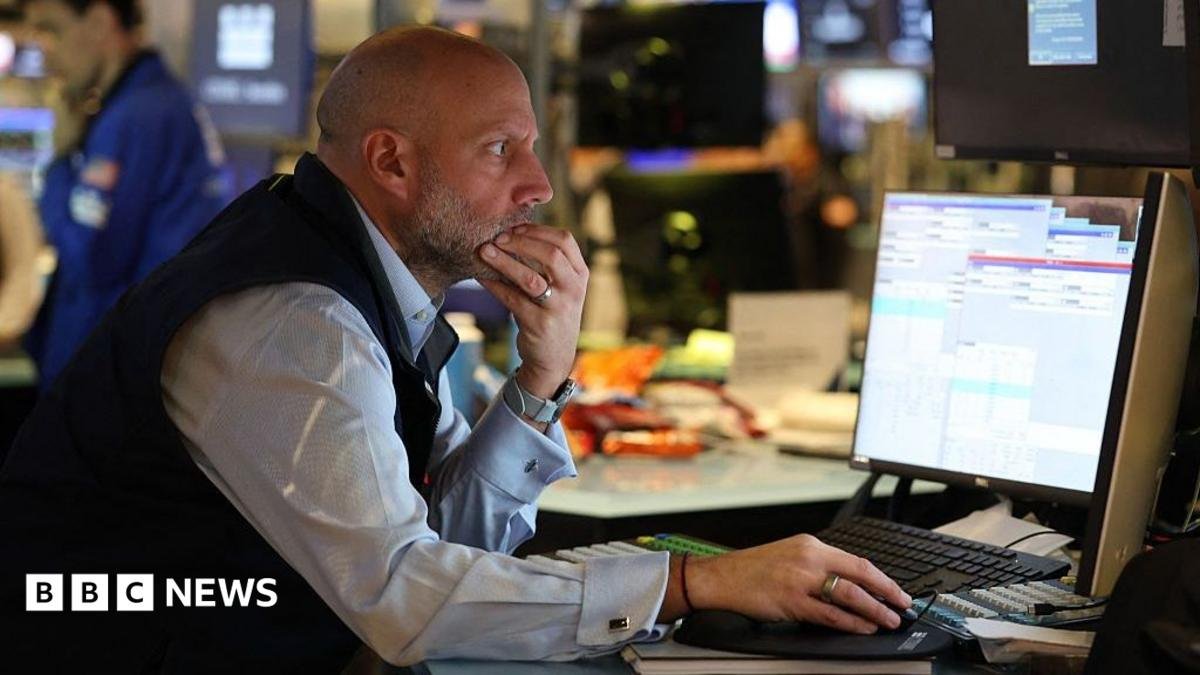
After a brutal selloff that erased trillions of dollars from stock valuations, shares in artificial intelligence and technology companies staged a recovery on Friday. The tech-heavy Nasdaq index opened higher, reversing some of the steep losses from the previous day.
Market Rout and Recovery
The turmoil began in the US on Thursday and quickly spread to Asian and European markets. Investors dumped tech shares amid concerns that the Democrat victory in the midterm elections could lead to slower development of artificial intelligence. However, by Friday morning, the Nasdaq Composite had climbed 1.23%, recovering part of its 5.5% plunge from Thursday.
The S&P 500, which tracks the largest publicly traded US companies outside the tech sector, also opened slightly higher, while the Dow Jones Industrial Average dipped a little. Firms that suffered heavy losses on Thursday saw a bounce back. Nvidia, which lost hundreds of billions in market value after shares fell more than 9%, surged over 6% in early trading. SpaceX and Tesla, also hit hard, posted mixed gains, up more than 7% and nearly 3% respectively.
Political and Economic Crosscurrents
The market swings follow a sweeping Democrat victory in the midterms. Many Democrats had campaigned on stricter regulations for AI and data centers, and the party has now won control of both houses of Congress as well as key state contests tied to the AI data center race. US President Donald Trump on Friday reiterated his support for what he calls "super intelligence," warning that only "foolish leadership" would reject the wealth it promises.
Yet questions linger about whether the massive investments in AI will ultimately pay off, adding to investor jitters.
Jobs Report Adds to the Picture
On top of political and sector-specific worries, traders digested the latest US employment figures, which came in stronger than expected. Employers added 165,000 new jobs in October, well above the monthly average and more than double analysts' forecasts. The unemployment rate edged down to 4.1% from 4.2% in September, remaining within the narrow 4.1% to 4.3% range seen since March.
Job gains were led by professional and business services (70,000), healthcare (42,000), and contributions from transportation, warehousing, and manufacturing.
Neil Birrell, chief investment officer at Premier Miton, noted that while the jobs data might seem secondary to market moves, it remains crucial. "The US economy is running hard which may mean the risks the markets are worrying about at the moment are not such a risk to the real economy as is being feared," he said.
As trading continues, investors will be watching whether the rebound holds or if volatility persists amid the shifting political and economic landscape.