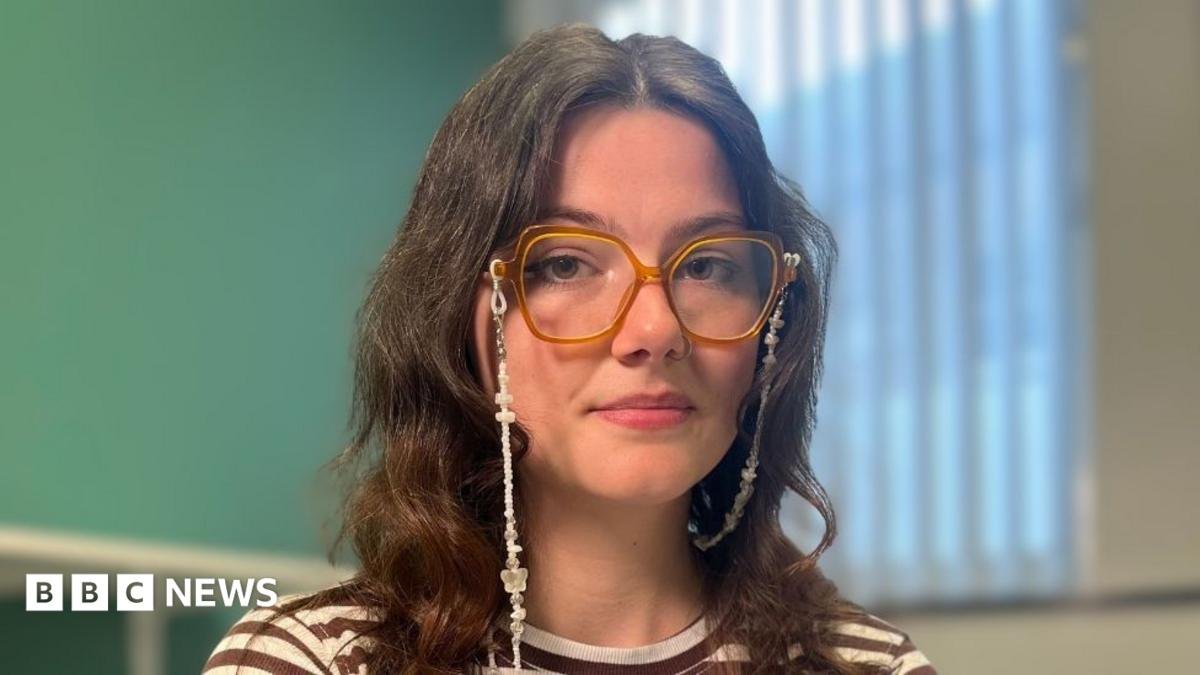
For Charlie Clarke, the journey has been marked by years of silent suffering. Now 26, she has lived with pectus excavatum, a congenital condition that causes the chest to appear sunken or hollow. The emotional and physical toll, she says, has been immense.
A Hidden Struggle
As a teenager, Charlie felt deeply self-conscious about her appearance. The condition, which affects roughly one in 200 people, made her chest look unusual and led to cruel comments from classmates. "I got to a point where I felt awful wearing my school uniform because of how I looked, also because of how people looked at me and made comments about my chest," she recalls. She even hid in the school bathroom during PE to avoid scrutiny, and kept her condition from her parents for years.
The physical symptoms were equally troubling. Because her heart and lungs are compressed, Charlie experiences breathlessness and a racing heart that can cause her to faint. "Having pectus excavatum, which is a disability and a deformity under my shirt, was at times hell," she says.
A System Under Strain
Charlie is one of 85 people in Northern Ireland waiting for surgery for pectus conditions. While many have waited less than two years, five have been on the list for over five years. The Department of Health acknowledges the lengthy waits, citing a high volume of patients and demands on thoracic surgery services. However, it says extra funding has been secured to increase surgeries, resulting in additional procedures in the last three years, and a further proposal is in place to reduce waiting times.
Early diagnosis is crucial, as non-surgical treatments can be effective if caught in time. But Charlie's diagnosis came late. She was misdiagnosed for years, including being told she had anxiety. It was only at 23, when a clinical technician noticed her heart was compressed during a scan, that she was referred to a thoracic surgeon. By then, she was considered too old for non-surgical options.
A Surgeon Who Understands
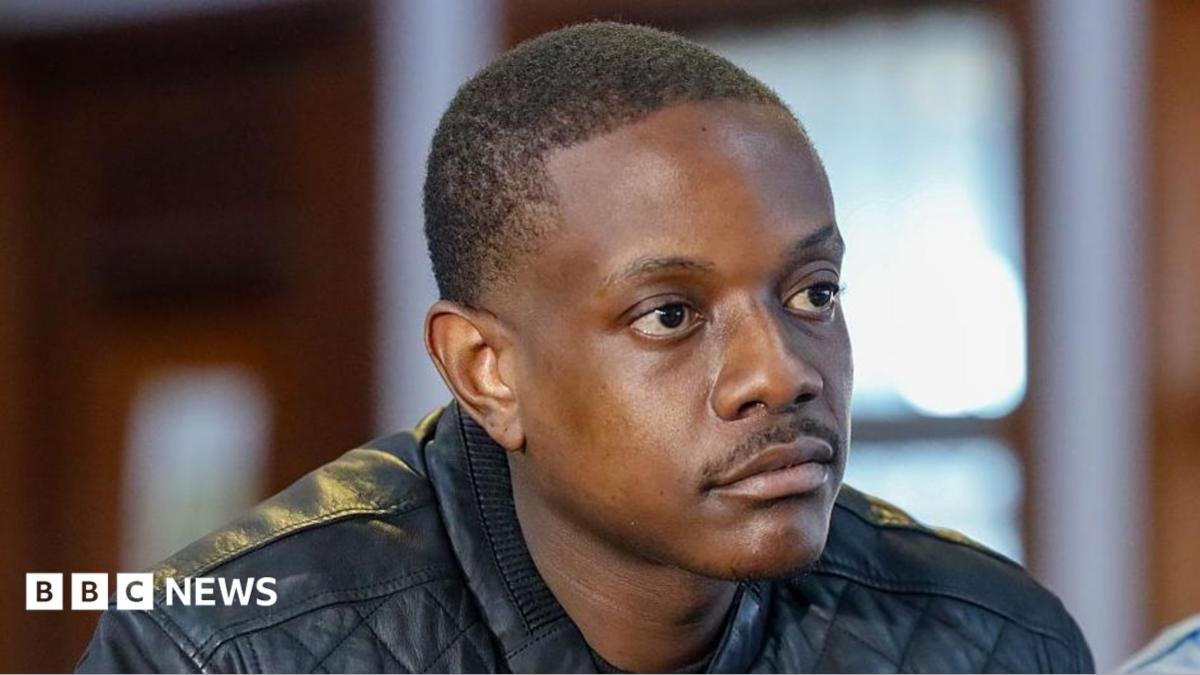
Charlie's story took a turn when she met Niall McGonigle, a consultant thoracic surgeon in Northern Ireland who specialises in chest wall deformities. McGonigle's connection to the condition is deeply personal: he had a pectus deformity as a child and underwent surgery at 17. "I was called freak and a mutant at school," he says. "It drove me away from sports because of changing for PE - I was bullied. It is what started my interest in medicine."
McGonigle explains that pectus conditions are often not recognised as medical issues in Northern Ireland, with patients sometimes dismissed as seeking cosmetic surgery. "There is a lot of evidence to show there are restrictions on the lungs and heart, which can be debilitating," he says. He notes that while early diagnosis can allow for non-surgical treatment, Northern Ireland lacks these services, forcing young people to travel to England. He also points to inconsistent funding as a factor undermining the limited pectus surgery service.
Looking Forward
Charlie's surgery will involve inserting two metal bars into her chest and a metal plate in her sternum to allow her heart and lungs to return to their natural positions. She speaks out not only for herself but also for her 11-year-old sister, who also has the condition. "I don't want her to have to wait this long and for her life to be paused and for her condition to become life-threatening," Charlie says.
Pectus excavatum, also known as "funnel chest", varies in severity. Treatment options include vacuum bell therapy, which uses suction to gradually lift the breastbone, and compression bracing, which is most effective in teenagers. The Department of Health says it has commissioned a service for non-surgical bracing of pectus carinatum, which can, in selected patients, avoid the need for surgery. The impact of this service will be evaluated.
Last month, patients and health professionals from across the UK met in Belfast to discuss the condition. Simon Kendall of the charity Pectus Matters emphasised that early treatment saves the health service money in the long term. "If you get that treatment when the patient is young and chest wall is more flexible you can avoid the big operations in the future," he said.
For Charlie, the wait continues, but she remains hopeful that her story will shine a light on a condition that has been hidden for too long.